The real challenge is not poverty but affluence, not insecurity but security, not slavery but freedom.
What is the real challenge of maintaining a free society? In parshat Eikev, Moses springs his great surprise. Here are his words:
Be careful that you do not forget the Lord your God … Otherwise, when you eat and are satisfied, when you build fine houses and settle down, and when your herds and flocks grow large and your silver and gold increase and all you have is multiplied, then your heart will become proud and you will forget the Lord your God, who brought you out of Egypt, out of the land of slavery … You may say to yourself, “My power and the strength of my hands have produced this wealth for me.” … . If you ever forget the Lord your God … I testify against you today that you will surely be destroyed. (Deut. 8:11-19)
What Moses was saying to the new generation was this: You thought that the forty years of wandering in the wilderness were the real challenge, and that once you conquer and settle the land, your problems will be over. The truth is that it is then that the real challenge will begin. It will be precisely when all your physical needs are met – when you have land and sovereignty and rich harvests and safe homes – that your spiritual trial will commence.
The real challenge is not poverty but affluence, not insecurity but security, not slavery but freedom. Moses, for the first time in history, was hinting at a law of history. Many centuries later it was articulated by the great 14th century Islamic thinker, Ibn Khaldun (1332-1406), by the Italian political philosopher Giambattista Vico (1668-1744), and most recently by the Harvard historian Niall Ferguson. Moses was giving an account of the decline and fall of civilisations.
Ibn Khaldun argued similarly, that when a civilisation becomes great, its elites get used to luxury and comfort, and the people as a whole lose what he called their asabiyah, their social solidarity. The people then become prey to a conquering enemy, less civilised than they are but more cohesive and driven.
Vico described a similar cycle:
“People first sense what is necessary, then consider what is useful, next attend to comfort, later delight in pleasures, soon grow dissolute in luxury, and finally go mad squandering their estates.”
Bertrand Russell put it powerfully in the introduction to his History of Western Philosophy. Russell thought that the two great peaks of civilization were reached in ancient Greece and Renaissance Italy. But he was honest enough to see that the very features that made them great contained the seeds of their own demise:
What had happened in the great age of Greece happened again in Renaissance Italy: traditional moral restraints disappeared, because they were seen to be associated with superstition; the liberation from fetters made individuals energetic and creative, producing a rare fluorescence of genius; but the anarchy and treachery which inevitably resulted from the decay of morals made Italians collectively impotent, and they fell, like the Greeks, under the domination of nations less civilised than themselves but not so destitute of social cohesion.
Niall Ferguson, in his book Civilization: the West and the Rest (2011) argued that the West rose to dominance because of what he calls its six “killer applications”: competition, science, democracy, medicine, consumerism and the Protestant work ethic. Today however it is losing belief in itself and is in danger of being overtaken by others.
All of this was said for the first time by Moses, and it forms a central argument of the book of Devarim. If you assume – he tells the next generation – that you yourselves won the land and the freedom you enjoy, you will grow complacent and self-satisfied. That is the beginning of the end of any civilization. In an earlier chapter Moses uses the graphic word venoshantem, “you will grow old” (Deut. 4:25), meaning that you will no longer have the moral and mental energy to make the sacrifices necessary for the defence of freedom.
Inequalities will grow. The rich will become self-indulgent. The poor will feel excluded. There will be social divisions, resentments and injustices. Society will no longer cohere. People will not feel bound to one another by a bond of collective responsibility. Individualism will prevail. Trust will decline. Social capital will wane.
This has happened, sooner or later, to all civilisations, however great. To the Israelites – a small people surrounded by large empires – it would be disastrous. As Moses makes clear towards the end of the book, in the long account of the curses that would overcome the people if they lost their spiritual bearings, Israel would find itself defeated and devastated.
Only against this background can we understand the momentous project the book of Devarim is proposing: the creation of a society capable of defeating the normal laws of the growth-and-decline of civilisations. This is an astonishing idea.
How is it to be done? By each person bearing and sharing responsibility for the society as a whole. By each knowing the history of his or her people. By each individual studying and understanding the laws that govern all. By teaching their children so that they too become literate and articulate in their identity.
Rule 1: Never forget where you came from.
Next, you sustain freedom by establishing courts, the rule of law and the implementation of justice. By caring for the poor. By ensuring that everyone has the basic requirements of dignity. By including the lonely in the people’s celebrations. By remembering the covenant daily, weekly, annually in ritual, and renewing it at a national assembly every seven years. By making sure there are always prophets to remind the people of their destiny and expose the corruptions of power.
Rule 2: Never drift from your foundational principles and ideals.
Above all it is achieved by recognising a power greater than ourselves. This is Moses’ most insistent point. Societies start growing old when they lose faith in the transcendent. They then lose faith in an objective moral order and end by losing faith in themselves.
Rule 3: A society is as strong as its faith.
Only faith in God can lead us to honour the needs of others as well as ourselves. Only faith in God can motivate us to act for the benefit of a future we will not live to see. Only faith in God can stop us from wrongdoing when we believe that no other human will ever find out. Only faith in God can give us the humility that alone has the power to defeat the arrogance of success and the self-belief that leads, as Paul Kennedy argued in The Rise and Fall of the Great Powers (1987), to military overstretch and national defeat.
Towards the end of his book Civilization, Niall Ferguson quotes a member of the Chinese Academy of Social Sciences, part of a team tasked with the challenge of discovering why it was that Europe, having lagged behind China until the 17th century, overtook it, rising to prominence and dominance.
At first, he said, we thought it was your guns. You had better weapons than we did. Then we delved deeper and thought it was your political system. Then we searched deeper still, and concluded that it was your economic system. But for the past 20 years we have realised that it was in fact your religion. It was the (Judeo-Christian) foundation of social and cultural life in Europe that made possible the emergence first of capitalism, then of democratic politics.
Only faith can save a society from decline and fall. That was one of Moses’ greatest insights, and it has never ceased to be true.
A true-life psychological thriller reports on ‘Mio’ Meidad’s undercover mission, without backup, to exact justice — and foil a German plan to give Nazis amnesty
LONDON — In March 1965, the West German Bundestag overwhelmingly defeated a proposal to bring to an end the hunt for Nazi war criminals and introduce a statute of limitations for their crimes.
The months leading up to the debate had seen a wave of opposition to the plans across the world. Thousands took to the streets from Tel Aviv to Toronto and Los Angeles to London. Nobel Prize winners, politicians, playwrights and the future Pope Benedict XVI raised their voices in protest. And in Germany, a bitter and divisive national debate broke out about how the country should atone for its sins and how widespread the responsibility for them truly lay.
But in those months another effort had also been launched to derail the German proposals. Hatched in secret by Israel’s intelligence chiefs and approved by prime minister Levi Eshkol, it was one that was nonetheless designed to focus the world’s attention on the hundreds, if not thousands, of perpetrators who had never seen the inside of a courtroom or prison cell — and likely never would if the Bundestag approved the statute.
It was also an effort in which Israel itself would act as judge, jury and executioner. Israel’s foreign intelligence agency the Mossad, it was decided, would hunt down and kill Herberts Cukurs — the “Butcher of Riga” — who was accused of being personally responsible for the deaths of at least 30,000 Latvian Jews.
‘Butcher of Riga’ Herbert Cukurs. (Wikipedia/ WP:NFCC#4)
Cukurs’s assassination, for which Israel would claim no responsibility, would publicize and punish his terrible crimes. It would serve, too, as a warning of the kind of rough justice that would be meted out to others if Germany provided an amnesty to war criminals.
The story of the mission to kill Cukurs is told in journalist and author Stephan Talty’s new book, “The Good Assassin: Mossad’s Hunt for the Butcher of Latvia.” It is a brilliantly written, heart-stopping, and, at times, heartbreaking tale; one that crosses continents from the “bloodlands” of Eastern Europe to the jungles of South America.
At the center of Talty’s retelling lie two men: Cukurs and the undercover agent dispatched by Mossad to ensnare him, Yaakov “Mio” Meidad.
Known in the agency as “the man with the hundred identities,” Meidad was a German-born Jew whose parents had perished in the death camps. He had helped abduct Adolf Eichmann and bring him to Israel for trial.
Talty, who first encountered the story of the mission when reading Ronen Bergman’s “Rise and Kill First: The Secret History of Israel’s Targeted Assassinations,” was fascinated by both Cukurs and Meidad, as well as the events that had brought them together.
“It was this idea that these two characters existed on either side of a terrible historical moment and now they had to meet, and Mio had to basically form a friendship with someone who was sort of the face of the ‘ordinary men’ of the Holocaust,” Talty told The Times of Israel.
The ‘Latvian Lindbergh’ goes to Holy Land
Cukurs was, as one survivor later wrote, “full of tremendous contradictions.” Known as “the Latvian Lindbergh,” the aviator had become a household name and national hero in the prewar Baltic state, renowned for his dash and daring.
Stephan Talty, author of ‘The Good Assassin: Mossad’s Hunt for the Butcher of Latvia.’ (Natacha Vilceus)
“I actually found myself admiring the prewar Cukurs,” admits Talty. “He was very much the kind of adventurer who not only built his own planes but dreamed up these kind of bizarre trips and odysseys.”
Those trips had famously seen him fly in 1933 from Latvia to the British African colony of The Gambia in an open-cockpit aircraft he had had cobbled together from cast-off and salvaged parts.
Six years later, in December 1939, he returned from another expedition — a 2,900-mile (4,667 kilometer) flight to Palestine — to enthrall Riga’s Jewish Club with a talk, complete with photographs, describing the sights, sounds and smells of Tel Aviv, Jerusalem, Bethlehem, Petah Tikva and Rishon LeZion.
“I remember Cukurs speaking with wonderment, amazement, even enthusiasm, of the Zionist enterprise in Israel,” a young Jewish man who was there that night later remembered.
This was not the only indication that, his fierce nationalism and occasional anti-Semitic remarks aside, Cukurs was, as one Latvian Jew later put it, “not really considered a Jew-hater.” He was, for instance, often seen with Jewish intellectuals in Riga’s cafes.
Herberts Cukurs in Gambia, 1933. (Public domain)
Talty’s interest in Cukurs was, in part, sparked by this background. “I wanted to know,” he remarks, “what had changed him into what would seem to be a beast, a monster.”
That description is entirely apt. As Yosef Yariv, the head of the Mossad’s special operations arm, told Meidad when he outlined the mission to him, Cukurs was not “a desk murderer like Eichmann.” Among those who knew his reputation, the mere mention of Cukurs’s name could provoke a physical reaction. When Israel’s intelligence chiefs gathered to discuss potential targets, a list of names was read out. Maj. Gen. Aharon Yariv, head of the Military Intelligence Directorate, collapsed on hearing that of the man who had murdered several of his family and friends.
The Skede Beach massacre in Latvia, where 2,700 Jews were shot in three days, December 1941 (public domain)
Cukurs’s crimes had been committed just under 25 years previously.
Nazis as ‘liberators’; Jews are ‘enemy within’
Under the secret terms of the Molotov-Ribbentrop Pact the Soviets had snuffed out Latvia’s independence and brutally occupied it in the summer of 1940.
A year later, a second tragedy befell the Baltic states, with the German invasion of the Soviet Union seeing Latvia come under Nazi rule. Some of Cukurs’s fellow countrymen viewed the Nazis as liberators; a view not shared by their terrified Jewish neighbors.
No pity and no compromise must be shown. No Jewish tribe of adders must be allowed to rise again
Within hours, the now German-controlled press began to pump out the vicious lie that Latvia’s Jews were the “enemy within” who had betrayed their country to the Soviets and participated in the atrocities the Red Army had committed. “No pity and no
compromise must be shown. No Jewish tribe of adders must be allowed to rise again,” wrote one newspaper.
No pity was, indeed, shown. “Riga became a pen where Jews were hunted for sport and profit, and Hebert Cukurs was an enthusiastic player in the game,” writes Talty.
Cukurs was no bit player — instead, he became second-in-command of the notorious Arājs Kommando, a 300-strong Latvian paramilitary group which enthusiastically participated in the murder of the country’s Jews.
Anti-Semitic Nazi propaganda in Latvia summer 1941. (Bundesarchiv bild)
Eyewitnesses later testified to Cukurs’s brutality. One remembered him in the ghetto to which Riga’s Jews were herded “laughing devilishly… shooting the people like a hunter in the forest.” Another recorded him at the notorious villa at 19 Waldemars Street where the Arājs Kommando held wild drunken parties as they tortured and murdered Jews.
Max Tukacier, a young Jew who had known Cukurs for over a decade and was taken to the house, saw the aviator “beat to death 10 to 15 people.” And Cukurs was recorded giving orders to his commandos at the scenes of the “Aktions” during the Rumbula massacre on November 30 and December 8, 1941, when roughly 25,000 Jews were murdered in or near the Rumbula forest.
After participating in the bloodletting of Riga’s killing fields, Cukurs and his men traveled around Latvia’s villages, towns and small cities, helping round up and murder Jews. Within five months, 60,000 Latvian Jews had perished. As Talty writes, the slim file the Mossad held on Cukurs was so thin, and the eyewitness accounts so few, precisely because of the thoroughness with which he and the Arājs Kommando had assisted the Nazis in their work.
Members of a Latvian militia unit assemble a group of Jewish women for murder on a beach near Liepāja, December 15, 1941. (Bundesarchiv bild)
‘The epitome of humanity’
But the most extraordinary — perhaps unique — aspect of Cukurs’s story was what happened next. Like many other war criminals, the Latvian joined the “ratline” and escaped to South America after the war. But, unlike his fellow killers, Cukurs arrived in Brazil under his own name — and then almost immediately began seeking out members of the country’s Jewish community. Cukurs portrayed himself as both a political exile who had been targeted by the Communists and a man who had rescued Jews during the Shoah.
While Cukurs assiduously wooed Rio’s Jews, however, his past started to catch up with him. Back in Europe, fledgling Jewish committees devoted to tracking down escaped war criminals compiled a dossier on the prominent prewar aviator who had become a mass murderer. Within weeks of his arrival, reports of the first possible sightings of Cukurs in Rio found their way back to London. The slow and painstaking process of confirming these reports commenced.
‘Butcher of Riga’ Herbert Cukurs was a nationally celebrated aviator prior to joining a killing squad during the Holocaust. (YouTube screenshot)
All the while, Cukurs continued to prosper and promote himself. He even gave an interview to Brazil’s highest-selling magazine — which appeared under the title “From the Baltics to Brazil” — in which he was described as “the epitome of humanity.” By 1950, though, the shocking truth — that Cukurs was nothing of the sort — began to dawn on some of his newfound friends in Rio.
Although the Jewish community’s efforts to have him extradited and brought to justice faltered in the face of official indifference, protests led to the collapse of Cukurs’s thriving business and the family was forced to leave the city. By the time the Mossad set its sights on him a decade later, Cukurs was a much-diminished figure, quietly running a small boat rental and air taxi business near São Paulo.
Cukurs’s overweening ambition was the source of both his rise and eventual fall. It was not simply his heinous crimes that made him a target in 1965, but the fact that he had left a trail that was so easy for the Mossad to follow.
“He could have had a very good life in Rio had he just not stuck his head up in the way that he did,” says Talty. “I think his narcissism just was so central to his character that he couldn’t resist it.”
Latvian auxiliary police assisting the round-up of Jews in Latvia in 1941. (Bundesarchiv bild)
While others like Adolf Eichmann and Josef Mengele were “very particular about leading very mundane lives,” the author continues, “he just felt that Herbert Cukurs was born for the world and that he needed some kind of heroic story around his life to make it meaningful for him.”
This “curse,” Talty believes, led to Cukors’s downfall.
Psychological showdown
While Cukurs’s actions in Rio may have been foolhardy, he was no fool. As Talty explains, the Mossad mission is “not an action story” but more akin to a tense psychological thriller which pits Cukurs against the man the agency dispatches to trap its quarry.
Meidad himself, Talty says, was very much “the anti-James Bond,” and “seemed to be only fully
alive” when he went undercover.
Yaakov ‘Mio’ Meidad during his time with the Mossad. (Private collection/ Courtesy)
“When he was in character as someone else he was much more confident, much more assertive… than he was in real life,” says Talty.
The guise of Anton Kuenzle, a successful but buttoned-down Austrian businessman who would befriend Cukurs and lure him to his death, was one the Israeli played to perfection. The perfection was necessary, however, as the mission contained no room for error.
Highly unusually, Meidad, at his own insistence, worked in Brazil without any reinforcements or a Plan B. The decision, writes Talty, “deviated wildly from his precise, very Germanic methodology; it was as if he’d thrown away 20 years of spycraft in order to go after Cukurs.”
Meidad’s family and former colleagues emphasized to Talty that the mission was “personal” for him.
“I think he really relished this one-on-one confrontation with a perpetrator of the Holocaust,” Talty says. “He saw it really as a test of everything he had been as a secret agent and… he wanted to outwit Cukurs and bring him down himself.”
And then there was Cukurs himself. “He was a very difficult target in that not only [was he]… paranoid, but he was intelligent and he could anticipate what an Israeli agent would be doing,” says Talty. “It was very much a psychological battle, and I think Cukurs very much was almost his equal in that.”
Lines are drawn
On one side of the battle lines stood Cukurs, who constantly sought to test whether Kuenzle truly was who he said he was. Those tests included staging a shooting contest between the two men on a remote plantation in the middle of the Brazilian outback to ascertain whether Kuenzle’s claim to have served on the Eastern Front during World War II rang true.
On the other side stood Meidad, who needed not merely to allay Cukurs’s suspicions but also to figure out the bait which would best reel him in. In this he excelled, says Talty.
“He had a certain empathy towards Cukurs and his journey, and his bedraggled state when he met him, [when he was] not obviously living up to his own dream of himself,” Talty says.
Nazi war criminal Herberts Cukurs is celebrated by some as a national hero in Latvia for standing up to Russian forces. (YouTube screenshot)
The prospect Meidad dangled before Cukurs of regaining his lost wealth and respect through a business partnership eventually led to the mission’s bloody denouement in a house in Montevideo where a small Mossad team awaited.
It was, however, a close call. A combination of Cukurs’s ever-vigilant paranoia, bad luck, and a reluctance on the part of some of the Mossad squad to believe that killing a lone 65-year-old man would really prove that hard nearly led to disaster.
“It was Mio’s nightmare,” says Talty. “There was kind of a schism between him and the Sabras [in the Mossad team] in that they believed they could handle any situation that missions threw at them, and he was very particular in saying this man is a formidable physical opponent.”
Not until the Mossad men finally came face-to-face with Cukurs — when, as Meidad later said, “he fought like a wild and wounded animal” — did they realize how prescient those warnings had been.
A flood of blood to cover tracks
It is perhaps fitting that the answer to the question which first drew Talty to Cukurs’s story — what had led the adventuresome aviator down the path of mass murder? — was provided by a survivor.
Zelma Shepshelovich as a young woman. (Naomi Ahimeir)
Zelma Shepshelovich, a magnificent figure whose story Talty’s book also tells, was relentless in her attempts after the war to attain justice for her own murdered family and the thousands of other Latvian Jews who died alongside them.
In 1979, she appeared as a prosecution witness in the Hamburg trial of Viktor Arājs, the commander of the paramilitary battalion of which Cukurs had been such an eager member. During his time on the stand, Arājs revealed that Cukurs had collaborated with the Soviets during their short occupation of the country before the Nazi invasion. Terrified of exposure, and the bloody consequences that would follow, Cukurs sought to cover his tracks by joining Arājs’ band of killers.
As Talty writes: “It wasn’t, after all, a deeply rooted anti-Semitism that drove the former aviator. He betrayed the Jews because if he didn’t, he would likely have been murdered alongside them. The sacrifice of those men, women and children was necessary for him to go on living.”
Cukurs was not unique. But in Latvia, a country with no history of pogroms that some had viewed as a sanctuary in the 1930s, he came to symbolize what Talty terms “the double cross that had snared the Jews.” For its imperiled Jews, the speed and viciousness with which many of their friends, neighbors and fellow countrymen suddenly turned upon them was palpable.
It is, as Talty readily acknowledges, impossible to prove whether the news of Cukurs’s death changed any minds when the Bundestag came to reject the amnesty proposal in the spring of 1965.Z
elma Shepshelovich’s rescuer, Janis Vabulis, also known as ‘Nank.’ (Naomi Ahimeir)
“I want to believe that it played a psychological part in giving the Holocaust a face, but really I can’t substantiate that with sources,” Talty says. “But it was certainly part of a movement re-evaluating what had happened during the Shoah in Germany and I think it was important for that reason.”
Talty recognizes too that the Mossad’s decision to kill Cukurs and not bring him to trial had one unintended consequence. The effort in recent years by Latvian nationalists to rehabilitate the former national hero has exploited the fact that no jury ever convicted him of war crimes.
There is, however, a glimmer of light in Talty’s retelling of this dark story. It is represented by Jānis Alexander Vabulis, a young civil servant who fell in love with Shepshelovich and — at great personal risk — sheltered her throughout the war.
“I think he represents a certain percentage of Latvians that went out of their way [to help Jews],” Talty suggests. “I found a lot of testimonies about Jews finding farm houses and families who were very religious and very Christian and immediately brought them in.”
Depicting the Temple’s destruction as punishment for the death of Christ has no grounding in Hebrew scriptures’ ideas on messiah
by Dr. Barrie Wilson
‘Distruzione del tempio di Gerusalemme’ by Francesco Hayez (PD-US-expired via Wikipedia)
Tisha B’Av, which starts Wednesday evening, is a time of profound sorrow for us, commemorating the destruction of two great centers of worship. The First Temple was destroyed by the Babylonians; the Second Temple, by the Romans in 70. The Temple in Jerusalem was the hub of national life. It was the primary religious establishment, the most important tourist attraction and a major commercial center. Pilgrims would arrive in Jerusalem three times a year to celebrate the great festivals of Pesach, Shavuot, Sukkot. The Temple was the focus of religious and political life.
The destruction of the Temple, however, represents a key dividing point between Judaism and Christianity.
For Christians the Temple’s demise appears to be a time of triumph. The gospels in the Christian scriptures say Jesus predicted the destruction of the Second Temple, the implication being that it was justly deserved. For these writers, the destruction of the Temple was symbolic of the demise of Judaism and its replacement by the Christian church. The 2nd century Gospel of Peter placed the blame for the destruction of the Temple, not on the Romans but squarely on the Jewish people for their role in having Jesus crucified. Thus the linkage is made explicit: the Temple’s demise is tied to Jewish complicity regarding the death of Jesus. For these early Christians, it was retribution, divine payback.
This Christian contention regarding the destruction of the Temple represents a very strange belief. If Jesus were who his followers said he was – the long sought messiah — why would he advocate the Temple’s destruction? Why would he endorse such a catastrophic event? Destroying the Temple is not on messiah’s “to do” list. A messiah was supposed to preserve and purify Temple worship.
Moreover, if Jesus were the messiah, where is the great age of world peace and prosperity that the messiah was supposed to usher in? Social conditions in the Middle East were much worse after the death of Jesus, not better. The Jewish war against Rome in the 60s saw thousands butchered in the Galilee and, according to Josephus, over 1.1 million killed in Jerusalem. Was this the messianic era? Some 20 or 30 years after the death of Jesus, nobody was buying the “good times ahead” message. There was no ideal Kingdom of God on the horizon.
This linkage tying the destruction of the Temple to Jewish complicity in the death of Jesus serves to undermine the Christian claim that Jesus is the messiah. It just doesn’t fit with what we’d expect of a messiah.
If advocating the destruction of the Temple is not what we’d expect of a messiah, what, then, is a messiah supposed to do?
Searching for the Messiah
My upcoming book — Searching for the Messiah (NY: Pegasus/Simon & Schuster. August 2020) — focuses on one fundamental question. What’s a messiah? What’s the job description? If we can’t determine that, then how can we evaluate anybody’s claim that so-and-so is a messiah. Is Jesus a messiah? Is Bar-Kochba? Is David Koresh, the leader of the Waco cult? Is Rabbi Menachem Mendel Schneerson?
Searching for the Messiah explores the evolution of the concept of messiah from the Bible to Batman, with many stops along the way. How did the idea of messiah evolve? How is King David, adulterer and murderer, the prototypical messiah? What about savior figures such as Joseph, Esther and Judith? What about End-time scenarios when the world is to be perfected?
Surprisingly, there is not one book of the Bible, not one chapter, devoted to defining a messiah. That’s curious. More attention is paid to diagnosing and treating skin diseases than to the topic of messiah. Many Christians scour the Hebrew scriptures looking for messianic “prophecies.” These seem contrived and passages are pulled out of context in a misleading way. There is no ‘virgin’ in Isaiah 7:14 that would lead one to put forward a virgin birth requirement for a messiah. That’s the Gospel of Matthew’s invention, using a Greek version of the Hebrew Bible that translated “almah” (Hebrew for a young woman) as “parthenos” (a Greek word for someone who is a biological virgin).
Isaiah 49:3 proclaims Israel as the Suffering Servant of God, a community given a new mandate after the dreadful experience of the Babylonian Exile, a nation destined to be a light to the nations. The Suffering Servant is Israel, not, as the gospels proclaim, Jesus. Nor is Jesus God’s son who comes out of Egypt – that’s Israel (Hosea 11:1). These are all misappropriations.
Messiah – the Job Description
In Searching for the Messiah, I analyse a much-neglected ancient and mysterians manuscript known today only to a handful of specialists. It was composed by a pious Jew in Jerusalem just after 63 BCE. He had witnessed the atrocities committed by Pompey’s army – rape, murder, famine, desecration of the Temple. He’s devastated and, in his grief, the unknown author of this important manuscript writes 18 psalms.
Composed originally in Aramaic or Hebrew, the writing survives today in a few Syriac and Greek manuscripts. The few scholars who know of this work dub it, “Psalms of Solomon.” That’s a misnomer — of course this wise ancient monarch who lived nine centuries earlier could not have been the author of a 1st century BCE writing.
Two of the psalms develop the idea of messiah. This important writing helps to firmly root the pre-Christian expectation of what a messiah must do in order to qualify. It gives us the messianic agenda at a crucial time in history. The messiah must be king in Jerusalem presiding over an era of world peace. Jews from the Diaspora will return. The messiah and the whole country will be Torah-observant. Temple worship will be purified. Other countries will honor the Jewish nation. Those are some of the markers of the messianic era.
So now we know what Jews expected of a messiah, prior to Christian times. That’s vital to assessing Christian claims that Jesus is one.
Christians often ask Jews, “why don’t you accept Jesus as messiah?” Now the question can be turned, “Why do you say that Jesus is the messiah? What’s the evidence?” How does Jesus – or anyone else for that matter – measure up to the criteria for being a messiah?
Jesus does not pass the Messiah test
Based on what we now recognize as the Jewish understanding of a messiah prior to the Common Era, we can discern that Jesus did not qualify.
First of all, no one who knew him well thought of him as a messiah. Chapter 8 of the Gospel of Mark tells us how Jesus takes his disciples on a field trip north of Capernaeum to Caesarea Philippi. There he asks them for a report: what do people think of him? It’s a request for audience reaction: what do the crowds who have heard him speak understand him to be. His disciples indicate that some think of him as a prophet like Elijah or like the charismatic John the Baptist. That’s it: those are the categories into which people to whom Jesus had been speaking around the Sea of Galilee place him: prophet, preacher. No one — absolutely no one — thinks of him as a messiah. That just wasn’t the impression he was making.
Second, Jesus rejects the view that he is the messiah. When Jesus asks his disciples a second question, what they think of him, only Peter blurts out that he is “the messiah.” No one else concurs. But, most surprisingly, Jesus immediately and harshly shuts him down. Within seconds of Peter’s utterance, Jesus closes off messiah-talk. That’s significant. According to the gospel of Mark, being messiah is emphatically not a title he favors.
Thirdly, moments before he dies, Jesus asks God why he has forsaken him (Matthew 27:46). In effect, with time running out, Jesus questions God about why the Kingdom of God he has promised his followers as imminent hasn’t come about. A messiah has to bring about a better world. Jesus, close to death, recognizes that this has not happened.
Finally, Jesus’ earliest followers knew he was not the messiah. We know this because they put forward the idea that he’d have to return to complete the task. This represents a desperate theological maneuver, one designed to save the view that Jesus is messiah. Led by Jesus’ brother, James, this group expected Jesus to establish an independent Jewish kingdom (Book of Acts 1:6). This was a clear recognition that they knew he had not done what a messiah ought to do during his lifetime. Their belief sets forth a two-stage messianic model whereby the potential messiah has to return to complete the required task. A two-stage messianic operation is not the Jewish understanding, however.
Paul’s reinterpretation
In spite of all this, Christians claim that Jesus was the messiah. How did that come about? And what do they understand by that claim?
Enter Paul, a person who never met Jesus and who comes on the scene in the mid 30s, several years after Jesus’ crucifixion. Claiming to have had a mystical experience, Paul introduces the notion of Jesus as “Christ” (Christos in Greek).
Ironically Paul was one of the most influential Jews who ever lived. For one thing, he rejected Torah observance. For him that phase of history had come to an end. He also reinterpreted the idea of messiah, not with reference to prior Jewish thought but in light of the Graeco-Roman mystery cults familiar to his audience. For Paul, Jesus is the cosmic Christ. He’s a pre-existing being who, as a divine-human, enters human history as an atonement. That’s a very different notion from that of a messiah.
Just how different the idea of Christos is from Mashiach is explored in Searching for the Messiah.
Paul pulled early Christianity in a vastly different direction from Jesus’ first followers under James and, in time, his views prevailed as his movement attracted Gentiles, not Jews. James’ Torah-observant group vanished in time, although there were 10 Jewish leaders of this movement up until the time of the Bar-Kochba revolt.
So, no, a messiah is not one who destroys the Temple.
Nuestros Sabios aseguran que “todos los comienzos son duros” (véase Rashi Shemot 19:5) y ciertamente, empezar una actividad requiere de mucha voluntad y determinación. Sin embargo, hay otro punto que es igual de importante, pero que suele pasarse por alto: uno debe terminar lo que empieza.
En el mundo del coaching y la psicología del liderazgo se habla mucho sobre la importancia de terminar lo que uno empieza, lo cual se aplica tanto en el ámbito personal como en el organizacional. Terminar lo que uno empieza, sin duda es una fuente de satisfacción, y en contraparte, dejar a medias algo que se ha empezado es un caldo de cultivo tóxico.
A continuación quiero analizar tres factores relacionados con este principio para aplicarlo en la práctica:
Visualiza de antemano el beneficio final
Nuestros Sabios enseñan que toda acción que haya sido iniciada por alguien, y terminada por otro, se considera como si el segundo hizo toda la acción (Sota 13b). Ello significa que el peso principal de una acción es su culminación. Un ejemplo impresionante es el del Rey Salomón, quien se ganó el honor de inaugurar el Primer Templo y se quedó con el crédito de esa gran acción, pese a que fue su padre, el Rey David, quien comenzó la construcción y el propio Dios lo privó de terminarla (Sanhedrin 104b). Es interesante tomar nota de que muchas veces se debe vencer una poderosa resistencia para poder iniciar un emprendimiento, y, así como la inspiración ilumina el camino al principio, inevitablemente después llega la dura realidad, el trabajo intenso y las dificultades del camino, lo cual lleva en muchos casos al abandono. El Dr. Akiva Tatz plantea esta idea en sus libros como un principio que se manifiesta en el mundo natural y en la forma en la que Dios pone a prueba al hombre. Saberlo y aceptarlo es una gran herramienta para lograr los objetivos que uno se plantea.
Toma conciencia de tus patrones
En numerosas publicaciones hemos enfatizado que la mente es influenciada por el cuerpo. Las fuentes dentro del judaísmo sobre ello son vastas (véase Mesilat Yesharim Cap. 7, Pele Yoetz sobre la alegría, Sefer Hajinuj en mitzvá 16, y otros). Además, este concepto está ampliamente demostrado por la neurociencia y la psicología moderna. Las acciones que uno hace en el mundo exterior afectan los patrones que crea en su mundo interior. Basado en esos patrones, uno probablemente volverá a actuar así en una situación futura y ello, a su vez, reforzará el patrón. Esto forma un ciclo. Es decir, cada vez que uno pospone la terminación de una actividad o dispersa su atención de ella, está “enseñándole a su mente” un patrón de conducta, el cual se verá reforzado y probablemente repetido. Por lo tanto, cada vez que uno rompe con ese viejo y destructivo patrón y se esfuerza en adelantar y culminar las cosas que empieza (así sea una actividad pequeña) está “entrenando su mente” para convertirse en un verdadero líder de su vida, está entrenándose en la disciplina responsable de terminar lo que empieza. Esto, sin duda, tendrá un impacto poderoso sobre su confianza personal y sus ganas de seguir adelante reforzando ese nuevo patrón.
Identifica a tus enemigos
¿Cuáles son estos “enemigos”? El Ramjal, Rabi Moshé Jaim Luzzato (1707 – 1747), en su libro Mesilat Yesharim (Cap. 9) afirma que uno de los mayores enemigos de las personas a la hora de completar los proyectos que emprenden, es la costumbre de dar excusas. A la hora de inventar una excusa uno se pone muy creativo. A veces culpa al frio, otras al calor, al viento, a la gente, etc. El Ramjal aclara que las excusas provienen de causas naturales reales, pero ello no justifica el abandono de la acción, pues el hombre fue encomendado a luchar por su prosperidad material y espiritual. El Rey Salomón (Proverbios 26:13) adjudica las excusas a los perezosos, quienes alegan que “hay un león en la calle” con tal de no salir a trabajar. Vale la pena “pillarse” a uno mismo cuando se pone a dar excusas creativas y ponerle fin de inmediato.
Querido lector, ¿Cuántas buenas ideas has empezado y se han quedado en el camino? ¿Cómo crees que tu amor y confianza en ti mismo/a se verían repotenciados si dichas actividades fueran terminadas? Sin duda sería un empuje extraordinario.
Te invito de todo corazón a tomar conciencia de estos consejos y ponerlos en práctica en un área especifica de tu vida o en un pequeño proyecto ¡ya verás lo que pasa! Te deseo el mayor de los éxitos.
El Planeta Tierra, que es una inmensa bola que viaja por el espacio a velocidad considerable, está habitada por aproximadamente unos 7,500 millones de seres humanos. En el centro de nuestro planeta existe un núcleo de hierro y níquel de tamaño sinilar a la Luna, que se encuentra a una temperatura de hasta 6,000 grados centígrados. Ni ahora, ni en el pasado, nuestros ancestros (se calcula que hemos pasado por este mundo unos 115,000 millones de personas) prestaron mucha atención a lo que ocurría en el centro de la Tierra. A veces el núcleo de la Tierra se nos manifiesta, como cuando la erupción minoica, ocurrida en la isla de Santorini, originó el colapso de la Edad de Bronce, al desencadenar una catástrofe ecológica en el Mediterráneo, que movilizó una avalancha migratoria de tribus hambrientas , conocidas como Pueblos del Mar, que en su desesperación, arrasaron la civilización Micénica, el Imperio Hitita, y las ciudades Cananeas de la costa, coadyuvando a que en las colinas centrales de Israel emergiera un pueblo, destinado a multiplicarse como las estrellas del cielo y las arenas de la playa. Pero, de todas estas catástrofes, dado que los humanos somos más dados al chismorreo que al pensamiento abstracto, los mitos y leyendas del pasado apenas han salvado, las andanzas de Dalila de Gaza y Helena de Troya, dos golfas de aquel entonces, como Corinna Von Larsen, pero de la Edad de Bronce.
Nuestro enorme cerebro posee una maquinaria neuronal que nos incita a formar grupos, y en general, aquellos que han sido capaces de formar grupos más grandes, se han impuesto al resto de pueblos. El Imperio Romano y la China de la dinastía Han, supieron aprovechar unas circunstancias climáticas favorables, (el denominado Optimo Climático Romano, caracterizado por un clima húmedo, templado y estable desde el año 300 AC hasta el 300 DC) para formar las primeras instituciones humanas globalizadas. Hubo una circunstancia, a la que el Imperio Romano apenas prestó atención, que conforme ampliaban las fronteras, y el espacio comercial imperial, contribuían también, al libre tránsito de virus y bacterias que llevan habitando el Planeta Tierra desde hace 3.500 millones de años. Los patógenos aprovecharon la libertad de tránsito para, en tres oleadas, La Peste Antonina, La Peste de Cipriano y La Peste de Justiniano, acabar con las fuerzas del Imperio, derrotándolo desde dentro y provocando la mayor regresión en toda la historia de la humanidad. El daño que estos animales sin cerebro han hecho a la civilización, puede medirse por los XII siglos que tardo en aparecer la Revolución Industrial, después de la caída de Roma, que con Galeno y Demócrito había alcanzado un empirismo incipiente.
Hacia el año 1760 empezó, por fin, la Revolución Industrial en Inglaterra, y hacia 1895 en Francia, el DreyfusardEmile Durkheim contribuyó a sentar las bases de la Sociología, afirmando que los humanos solemos confundir las apariencias con la realidad. Para superar los prejuicios del populacho, Durkheim propuso el concepto de, “hecho social”, que son modos de actuar, pensar y sentir externos al individuo, los que poseen un poder de coerción, en virtud del cual se imponen a él. La sociedad es algo que está fuera y dentro del individuo al mismo tiempo, gracias a que este adopta e interioriza sus valores y su moral. El “hecho social”, tiene una fuerte capacidad de coerción y de sujeción respecto del individuo, y, en consecuencia, la sociedad tiene el poder de determinar nuestros pensamientos y acciones.
En 1859 Charles Darwin publica “El Origen de las Especies” cuya idea básica es que las especies de animales cambian con el tiempo, y que, en todos los seres vivos, se puede rastrear la existencia de un antepasado común. En 1953 James Watson y Francis Crick realizaron un descubrimiento que confirmaba la mayoría de las teorías evolucionistas de Darwin. Encontraron la muestra química gracias a la cual cada ser vivo posee el programa para su propio desarrollo en sus células: el código del ADN. Para los biólogos, pues, los seres humanos somos meras máquinas de supervivencia (cuerpos) de nuestros genes, en las antípodas de la sociología.
En el año 2020, El Planeta Tierra, sigue siendo una inmensa bola que viaja por el espacio a velocidad considerable, enroscada a un núcleo de hierro y níquel que alcanza una temperatura de hasta 6.000 grados centígrados, circunstancia que no ha impedido que, los 7.500 millones de humanos que vivimos en la superficie, acumulemos el mayor nivel de riqueza y bienestar de la historia. Como en otras ocasiones en el pasado, ha aparecido un patógeno peligroso, que en forma de pandemia, y bajo en nombre de Covid 19 amenaza nuestra forma de vida. Para BIOLOGOS SIN FRONTERAS, los herederos de Darwin, Watson y Crick, el problema es sencillo, unos genes competidores han fabricado una máquina de supervivencia (un cuerpo) en forma y apariencia de coronavirus, y nos están disputando los recursos de la corteza terrestre. Era esperable que esto sucediera, pues somos la fuente de comida más abundante (para otros) que existe, junto con las gallinas y el resto del ganado doméstico. De hecho, BIOLOGOS SIN FRONTERAS, sí que había previsto este ataque, hace mucho tiempo y tenia la respuesta preparada, cuyo nombre es Sistema Inmunológico. Como en el caso de Roma o de la Edad Media, cuando el ataque de la Yersinia Pestis, la línea de defensa del Sistema Inmunológico es tan fuerte, que la Humanidad, a pesar de su terrible mortalidad, está lejos de ser derrotada por los patógenos.
Para SOCIOLOGOS SIN PRONTERAS, los herederos de Emile Durkheim, o Erving Goffman entre otros, el problema es más complejo. Dado que las burocracias públicas y privadas de los Estados de la Tierra no parecen dispuestas, en general, a soportar las tasas de mortalidad del Covid 19, están imponiendo medidas de “distanciamiento físico”, sin darse cuenta que LA SOCIEDAD es, ante todo, y por encima de todo, UNA ACTIVIDAD CORPORAL, ya que cuando unos cuerpos humanos se reúnen en un mismo lugar, ocurre una sincronización física. Proferir el mismo grito, pronunciar la misma palabra, o efectuar el mismo gesto respecto de algún objeto, es lo que nos hace sentirnos en sociedad. Las mentes individuales no pueden entrar en contacto y comunicarse entre sí, excepto saliendo de sí mismas, y solo pueden hacerlo mediante movimientos corporales. La mayor parte de la vida social se realiza a través de rituales rutinarios, que son reglas emergentes, que normalizan, exageran y simplifican las conductas individuales, cuando estamos en proximidad física. Los grandes rituales del consumo masivo, de los deportes de masas, de los conciertos de música, o de otros rituales básicos, como el trabajo, las bodas o los funerales, están basados en la proximidad física, que tanta energía emocional proporciona a los participantes, y que, las medidas de “distancia física”, están amenazando gravemente. El peligro del distanciamiento físico, es que, los rituales que no se renuevan se debilitan y perecen, y que el pensamiento y el lenguaje, también dependen de la renovación recurrente de los rituales, que son encuentros pautados entre personas, que tienen propiedades emergentes (más sofisticadas que sus componentes individuales).
¿Qué mantiene unida a la sociedad? Los rituales, que el distanciamiento físico y las mascarillas impuestos por los gobiernos están amenazando gravemente. LA SOCIEDAD, son esos grupos de gentes reunidos en lugares concretos (supermercados, estadio, discotecas, saunas, bodas, entierros, cafeterías, oficinas, fabricas, hospitales, etc.), que sienten solidaridad recíproca por efecto de su participación ritual, y del simbolismo cargado emotivamente en los rituales. Pero también hay que reconocer, que contribuye a mantener unida a la sociedad, la pereza, la conformidad, la falta de imaginación y el vértigo existencial, por eso tal vez sería más barato para todos, encontrar la forma de entablar un dialogo de especie a especie con el Covid 19, dado que el animal no pretende exterminarnos, sino vivir a costa nuestra, como su primo la gripe. Es más, en ocasiones anteriores se llegó a algún entendimiento entre patógenos y humanos (o pre humanos), dado que los rastros de ese pacto se encuentran en tramos concretos de nuestro ADN. En el pasado, llegamos a compromisos con muchas bacterias que actualmente se alojan en el intestino humano, y que colaboran lealmente con nuestro Sistema Inmunológico, en combatir a otros patógenos. Es más, ¿no estarían los chinos en el Instituto de Virologíade Wuhan intentando entablar un dialogo inter-especies con un grupo concreto de Covid-19 u otros patógenos?
Los humanos de hoy nos parecemos más a nuestros antecesores de cromañón y de neandertal, que a los humanos del futuro, que interconectarán sus cerebros, y no tendrán que recurrir a las explicaciones corporales, como la risa, los gestos, las posturas, la mímica o los gritos, a los que recurrimos hoy día, en las situaciones de co-presencia. Una anticipación muy rudimentaria de la futura conexión inter- cerebral, la tenemos en las formas de comunicación implementadas a través de Facebook, WhatsApp, o el resto de redes sociales. Actualmente nuestro cerebro monta un espectáculo para cada uno de nosotros, transformando colores, texturas, sonidos y aromas, en señales electroquímicas. En el futuro, probablemente podremos compartir las señales electroquímicas cerebrales con nuestros amigos, sin necesidad de recurrir a la ayuda de la actuación corporal pautada y coercitiva, en que consisten los actuales rituales humanos. Todo indica que las sociedades del futuro serán mucho más sencillas de coordinar que que las actuales, y siguiendo con la tendencia a la reducción de la capacidad cerebral que nos acompaña desde que comenzamos a ser agricultores hace 12.000 millones de años, inteligencias como las de Donal Trump, Jair Bolsonaro, o Pedro Sanchez (y por supuesto también las de Joe Biden, Lula da Silva y Pablo Casado), no tendrán problemas cognitivos insalvables, para atender a las labores de gobierno. Y dado que todos los seres vivos, descendemos de un antepasado común, los políticos que nos gobiernen, acabaran poniendo entre sus prioridades políticas, el dialogo inter-especies, con otros seres vivos con los que compartimos el espacio en la corteza de esta inmensa bola, que viaja por el espacio a velocidad considerable, enroscada a un núcleo de hierro y níquel, que alcanza una temperatura de hasta 6.000 grados centígrados.
Pope Leo X allowed a remarkable group of men to produce the first printed set of Talmud.
A volume of the Talmud – dedicated to the Pope? It seems unlikely but the very first printed edition of the Talmud was in fact dedicated to Pope Leo X, who reigned as pope from 1513 until his death in 1521.
For millennia, copies of the Talmud had been painstakingly written by hand. It could take many years to complete a set of all 63 masechtot, or tractates, of the Talmud.
In 1450, a German bookmaker named Johannes Gutenberg invented the very first printing press. He used it to print pamphlets and calendars, and several copies of the Bible. The “Gutenberg Bible” is considered the very first printed book ever produced in Europe. In the ensuing years, other printers copied Gutenberg’s invention and began printing books. Several Jewish books were printed using the new mechanical invention but nobody ever attempted to print an entire copy of the Talmud. For years, sets of the Talmud continued to be written laboriously by hand.
That changed in 1519, after years of bitter debates, when the very first complete edition of the Talmud was produced using the new invention the mechanical printing press.
Daniel Bomberg: Christian Printer of Hebrew Books
One of the very first printers to produce Hebrew books in Europe was Daniel Bomberg, a Christian printer who moved from his native Antwerp to Venice in 1515 and opened a printing press business there. Venice at the time was home to a vibrant Jewish community, and Bomberg realized that he could prosper by catering to this under-served market.
Printing Jewish books wasn’t so easy. His initial requests for a license were repeatedly turned down by Church and city officials. Bomberg started offering local officials ever larger bribes to allow him to print Jewish books. After paying 500 ducats – an enormous sum – he was granted a ten-year license to print Hebrew books.
Bomberg got to work immediately, hiring learned Jews to help him. He petitioned Venice’s officials for permission to hire “four well-instructed Jewish men”. Jews living in Venice at the time could only live in the Ghetto and were forced to wear distinctive yellow caps whenever they left the Ghetto’s gates. Bomberg’s assistants were granted permission to wear black caps like other non-Jewish workers.
Together, they started printing copies of the Chumash, the Five Books of Moses, and other Jewish books. Bomberg and his Jewish assistants decided to include the text of Targum Onkelos, the translation of the Hebrew text written by the celebrated First Century Jewish scholar Onkelos, a popular custom still in practice today.
Jacob Ben Jehiel: Jewish Nobleman Advising an Emperor
Bomberg’s pro-Jewish business activities were made somewhat easier by the climate in Europe overall, which was becoming more tolerant of Jews, thanks in part to an Austrian Jewish physician named Jacob Ben Jehiel (also known as Jacob Lender).
Very little is known about Jacob Ben Jehiel’s personal life. What’s clear is that he was a learned Jew, fluent in Hebrew, who worked as a doctor. He died in about 1505 in Linz, Austria. Unusual for a Jew, he rose to become one of the most influential men in the Holy Roman Empire, working as the personal assistant of Emperor Frederick III, who ruled from 1452-1493. It was noted that the two men were fast friends, and Jacob Ben Jehiel’s friendship influenced Frederick III to be sympathetic to his Jewish subjects. At the time the emperor’s enemies complained he was “more a Jew than a Holy Roman Emperor”. Jacob was so beloved by the Emperor that Frederick III knighted him, raising him from a lowly Jewish outcast to the ranks of the nobility.
One day, a young German nobleman named Johann von Reuchlin contacted Jacob, asking for his help in learning Hebrew. He’d studied with a Jew named Kalman in Paris, von Reuchln explained, and had learned the Hebrew alphabet. Now he wanted to learn more. Jacob Ben Jehiel agreed to tutor the Christian nobleman and taught him to read and write Hebrew. They struck up a friendship that would lead to von Reuchlin defending Jewish scholarship across Europe and to the first printing of the Talmud.
Johann von Reuchlin: Defending Jewish Books
Now fluent in Hebrew, Reuchlin championed Jewish books, defending Jewish scholarship from Catholic zealots who wanted to ban Jewish literature and burn Jewish books. He had many Jewish friends and was remarkably tolerant of Jewish viewpoints and scholarship. When Catholic officials demanded that he and other scholars condemn the Talmud, von Reuchlin replied contemptuously that one not condemn what one had not personally read and understood. “The Talmud was not composed for every blackguard to trample with unwashed feet and then to say that he knew all of it.”
Johann von Reuchlin
In the early 1500s, von Reuchlin engaged in what was known as the “Battle of the Books,” arguing that Jewish scholarship had merit and that Hebrew books ought not to be banned.
Johannes Pfefferkorn: Condemning his Fellow Jews
Reuchlin’s main adversary in the “Battle of the Books” was Johannes Pfefferkorn, a Jew who converted to Christianity. He turned on his fellow Jews and caused years of pain and misery for Jewish communities across Germany.
Pfefferkorn was a butcher by trade but he was also in trouble with the law. He was arrested for burglary in his 30s, spent time in prison, and subsequently found himself unemployable. In order to reverse his ill fortune, he volunteered to convert to Christianity and to have his wife and children convert as well. Pfefferkorn embraced Catholicism under the protection of the Dominicans, the strict Catholic order that administered the feared Inquisition. The Dominicans wasted no time in using Pfefferkorn to help bolster their attempts to persecute Jews and to ban Jewish books.
In the years between 1507 and 1509, Pfefferkorn wrote a series of booklets claiming to illuminate the secret world of Jewish thought. Although Pfefferkorn’s writings show that he had a very poor grasp of Jewish scholarship, that didn’t deter him as he churned out booklet after booklet excoriating Jews and the Jewish faith. His pamphlets were written in Latin and aimed at Catholic scholars and priests. They had names such as Judenbeichte (“Jewish Confession”) and Judenfeind (“Enemy of the Jews”), and Pfefferkorn falsely claimed that Jews were devious and blasphemous and that their literature ought to be banned. Though he wasn’t educated enough to study it himself, Pfefferkorn demanded that the Talmud be banned in Europe.
Using Pfefferkorn’s booklets as “proof”, Dominical authorities demanded that Jews be expelled from towns which had large Jewish communities, including Regensburg, Worms and Frankfurt. Their campaign succeeded in Regensburg and the city’s Jews were expelled in 1519.
Pfefferkorn and his supporters managed to convince Emperor Maximilian I to briefly ban the Talmud and other Jewish books in cities across Germany and to destroy any and all Jewish books that could be found. This alarmed more liberal Catholics, including Johann Reuchlin, who’d spent so long learning Hebrew and studying Jewish holy books with Jacob Ben Jehiel. Reuchlin objected and wrote passionate defenses of the Talmud and other Jewish books. Eventually, Maximilian I reversed his decree.
Pope Leo X and the Battle of the Hebrew Books
The “Battle of the Books” raged across German cities and was debated among the educated class: should the Jewish Talmud and other holy books be banned, or were they worthy of preservation and study? Historian Solomon Grayzel notes that “There was not a liberal Christian in Europe, nor a single critic of the forces of bigotry within the Church, who failed to range himself on the side of Reuchlin in defense of the Jewish books… Everyone who was not a peasant in Europe was thus ranged on one or the other side in the controversy. The only people who were forced to stand aside and not participate were the ones most directly concerned – the Jews.” (From A History of the Jews by Solomon Grayzel. Plume: 1968)
Reuchlin eventually gained a powerful ally: Pope Leo X. A cultured, educated man, Leo X came from the fabulously wealthy Medici family. He was disposed to be tolerant towards Jews – so much so that at one point the Jews of Rome wondered if his benevolence towards them was a sign that the Messiah was on his way: community elders even wrote to Jewish leaders in the Land of Israel asking if they, too, had seen signs of the Messiah coming.
Pope Leo X
In 1518, Leo X took a public stand in the Battle of the Books: not only should the Talmud not be banned and burned, he stated, but he gave a Papal Decree allowing it to be printed using the new mechanical printing presses that were all the rage in Europe. Some individual volumes of the Talmud had already been printed; now, the Pope was allowing a complete set of all 63 volumes of the Talmud (called Shas in Hebrew) to be produced. Joannes Bomberg, who’d already built up a Jewish business at his printing press in Venice, was given the commission to print this first complete set of Shas on his printing presses. It was an unprecedented show of support for Jews in Europe.
Jacob ben Chaim ibn Adonijah
But Pope Leo X imposed one crucial condition: Daniel Bomberg could print the Talmud only if he included anti-Jewish polemics in the books. Realizing that this would alienate potential readers, Bomberg successfully lobbied against including anti-Jewish screeds in his Jewish books. He did, however, make one concession to the Pope’s generosity: the first four volumes of the set of Talmud he was printing were dedicated to Pope Leo X.
Bomberg Babylonian Talmud, Venice Pesachim
Local Jews were reluctant to buy expensive new volumes of the Talmud dedicated to a Catholic leader whose Church regularly persecuted Jews and Jewish communities across Europe, even if Pope Leo X himself was sympathetic towards Jews. Sales were sluggish and Bomberg realized he had to make some changes, including dropping the dedication to the Pope. He also turned to Jacob ben Chaim ibn Adonijah, a Jewish proofreader from Tunisia, for help. (There is some evidence that ibn Adonijah might have converted to Christianity, like some other printers who specialized in Hebrew books in Venice at the time.)
Bromberg and ibn Adonijah devised a layout of their printed editions of the Talmud that is still in use today. They placed the Talmud text in the middle of the page, and included key commentaries on the Talmud around the central text. The commentary by Rabbi Shlomo Yitzhaki (known as Rashi), a Medieval French scholar was printed on one side of the page. Commentaries by a group of other Medieval Jewish sages known as the Tosefotists are found on the opposite side of the page.
This layout made it easy to read and study, and proved an immediate hit with customers. Though their title pages no longer carried a printed dedication to Pope Leo X, these beautiful books continued to be printed with his permission, enabling even more Jewish communities to study and learn from complete sets of the printed Talmud.
Detalle de una postal de Salónica de 1917, probablemente antes del gran incendio de aquel mismo año
Diario Judío México –En 2019 caducaba el plazo para que los descendientes de los sefardíes expulsados de España en 1492 pudiesen solicitar la nacionalidad española. Cinco siglos después de que los Reyes Católicos echaran a los judíos de Sefarad (como la Biblia denomina en hebreo a la península ibérica), una ley sancionada en 2015 por unanimidad en el Congreso buscó enmendar esa deuda pendiente.
Los sefardíes emigraron a diversos destinos tras la expulsión. De todos ellos, ninguno preservó tanto el espíritu y las costumbres de su añorada Sefarad como Salónica. Esta capital llegó a ser por momentos la segunda metrópolis más importante del Imperio otomano, gracias, en buena medida, a esos exiliados.
Salónica, perteneciente a Grecia en la Antigüedad y de nuevo a partir de 1912, fue durante medio milenio, hasta el exterminio nazi, lo más parecido a una patria hebrea cuando no existía el estado de Israel. De hecho, se convirtió durante su apogeo, bajo los musulmanes, en el hogar de la comunidad judía más grande, próspera e influyente del planeta por el impulso sefardí.
Fotografía de una familia judía en Salónica en el año 1917
Un imperio multiétnico
Aunque los sefardíes no fueron la primera comunidad judía en radicarse allí. Siglos antes lo habían hecho los romaniotes, procedentes en gran parte de Alejandría . Y a finales del siglo XIV llegaron los asquenazis huyendo de las persecuciones en Europa central y oriental.
Además de ser un puerto muy dinámico, hacía de bisagra entre Italia y los Balcanes, al oeste, y el Imperio otomano, al este. De ahí que este quisiera la plaza. La anexionó en 1430 bajo el sultán Murad II.
La población islámica ocupó en adelante la mayoría de los puestos clave institucionales y sociales. Sin embargo, las nuevas autoridades garantizaron las prerrogativas habituales en estos casos a los judíos y los cristianos, en tanto “pueblos del Libro”.
Cierta libertad de culto, un alto grado de autogobierno de su comunidad y algunas exenciones fiscales se contaron entre esos privilegios.
LOS SULTANES NO ENTENDÍAN QUE ESPAÑA SE DESPRENDIERA CON TANTA FACILIDAD DE ESTE PRECIADO CAPITAL HUMANO
Judíos bienvenidos
Los sultanes, de hecho, recibieron a los sefardíes con los brazos abiertos. No entendían que España se desprendiera con tanta facilidad de este preciado capital humano. Solimán el Magnífico llegó a comentar que “se maravillaba de que hubiesen echado a los judíos de Castilla, pues era echar la riqueza”.
Fue una jugada magistral. Los judíos enseñaron a fabricar a los otomanos de arcabuces a artillería pesada. También crearon imprentas, las primeras del Imperio. Una minoría de traductores, médicos y banqueros judíos prestaban servicio al propio sultán.
Hubo una proporción de un sefardí por cada otro vecino de Salónica hasta entrado el siglo XX. Ningún otro lugar del mundo reunió tantos judíos en ese medio milenio.
Grabado de mujer judía en el Siglo XIX
La metrópolis se benefició de ello. Hubo que levantar barrios enteros y modernizar el suministro de agua. Más cuando, entre los siglos XVI y XVII, se sumaron a los sefardíes originales muchos otros desplazados de Occidente por asuntos internos de cada reino o por la pugna entre islam y cristiandad.
Debido a su gran número, los sefardíes de Salónica se mantuvieron segregados de otros compañeros de religión. Miraban con desdén a los “griegos”, como llamaban a los romaniotes, y a los “alemanes”, o asquenazis. Sobre todo, los sefardíes procedentes directamente de la península ibérica.
Los judíos eran ciudadanos de segunda en comparación con sus vecinos musulmanes. No obstante, su comunidad fue siempre autónoma. Gracias a esta libertad, los sefardíes pudieron desarrollar una especie de próspero microestado dentro del otomano.
Podían dictar leyes para su congregación, siempre que no chocaran con el orden jurídico imperial. El rabino mayor de Salónica podía incluso encarcelar a los delincuentes judíos.
Calle de Labadika, en uno de los antiguos barrios judíos de Salónica
El oro pañero
La clave inicial del bienestar sefardí del siglo XVI pasó por la artesanía. Pero el gran despegue económico ocurrió a partir de una contrata otorgada por el sultán: la confección de los uniformes de los jenízaros, su guardia pretoriana. Los judíos locales se especializaron en trabajar la lana, con todas las industrias derivadas. Una vez servida la infantería de élite, eran libres de continuar fabricando textiles para otros clientes.
No tardaron en vestir a toda Salónica y a otras ciudades otomanas, e incluso exportaron tejidos a las actuales Hungría e Italia. Fue gracias a una feliz combinación de demanda, telares mecánicos de vanguardia, buen oficio y una valiosa red de lazos familiares e intercomunitarios que conectaban el mundo islámico y la Europa cristiana.
El sector lanero era el más destacado, pero también se dedicaron al algodón y la seda y, fuera del ámbito textil, al trigo y la sal, así como, más tarde, a la manufactura de pólvora y artillería. También importaron artículos suntuarios italianos y balcánicos para aprovechar el regreso de las flotas y caravanas.
A MEDIADOS DEL SIGLO XVI, SALÓNICA GENERABA LOS MAYORES INGRESOS URBANOS DEL IMPERIO OTOMANO TRAS ESTAMBUL
La extracción de plata fue una contrata como la pañera. Pero en este caso desastrosa. Los hebreos de la ciudad a quienes se les endilgó no sabían cómo rehuirla.
Inmigrantes muy rentables
A mediados del siglo XVI, Salónica ya generaba los mayores ingresos urbanos del Imperio otomano tras Estambul. La integración social y la prosperidad potenciaron la cultura sefardí. Se abrieron escuelas rabínicas. También se imprimieron los primeros libros en judeoespañol. Se formaron, en realidad, dos idiomas mixtos de lenguas peninsulares y hebreo: el ladino, más culto y usado sobre todo en textos religiosos, y el judezmo, de empleo cotidiano. Ambos se han conservado hasta el presente, cargados de arcaísmos y de palabras en hebreo, turco y griego.
Los sefardíes de Salónica acompañarían el declive otomano a partir del siglo XVII. Los fracasos militares del sultanato, el boom de las rutas atlánticas en detrimento de las mediterráneas, un repunte de la piratería, la escasez de grano y varias galopadas inflacionistas minaron el apogeo del siglo anterior. La decadencia judía se agravó, además, por la mayor carga impositiva con que Estambul trató de compensar la debacle.
Vendedor de limonada de origen judío en Salónica a finales del Siglo XIX
Un segundo esplendor
Sin embargo, los sefardíes iniciaron una remontada a mediados del siglo XIX. Obedeció a múltiples causas. Desde contextos globales como la Revolución Industrial y el mayor peso político de las clases burguesa y trabajadora hasta la construcción de una línea férrea que, a partir de 1871, conectó Salónica con la capital imperial, por el este, y con Europa, por el oeste.
Pero el mayor dinamizador socioeconómico fue legislativo. Se trató de la Tanzimat, una serie de leyes sancionadas de 1839 a 1876 para modernizar el sultanato. Estas reformas implantaron una ciudadanía igualitaria, sin distinción de etnia o de religión.
El cambio diluyó la identidad cultural y erosionó la autonomía de los hebreos. Pero ganaron libertad de acción. Una mayor igualdad de oportunidades, mecanismos optimizados de producción y distribución y una comunicación más fluida con el exterior enriquecieron y modernizaron a la sociedad sefardí y, con ella, a Salónica.
Rabino en Salónica en el año 1918
La población de la ciudad creció exponencialmente. De 30.000 habitantes en 1830 pasó a 157.900 en 1913. De ellos, en 1908, los judíos alcanzaron un pico de entre 80.000 y 93.000, según autores.
Arte y parte de los nuevos tiempos, los sefardíes se politizaron. Bien apoyaron, o bien se opusieron al otomanismo, hasta el punto de convertir Salónica en el bastión principal de la revolución de los Jóvenes Turcos. Pasiones parecidas despertaron ideologías como el socialismo y el sionismo.
De pronto, griegos
La vitalidad cultural se resintió y terminó desapareciendo por una cadena de acontecimientos. La revolución de los Jóvenes Turcos ya había espoleado cierta emigración en 1908, al abogar por un servicio militar obligatorio que algunos judíos rechazaban. Mucho más traumática fue la anexión a Grecia en 1912, tras la conquista de la metrópolis en la primera guerra de los Balcanes.
EN 1917 UN GIGANTESCO INCENDIO SE ENSAÑÓ CON LA CIUDAD, ARRASANDO TRES DE CADA CUATRO MANZANAS JUDÍAS
Atenas forzó con torpeza una helenización que damnificó a la población judía. Los hebreos debieron aprender un nuevo idioma, descansar los domingos en vez de los sábados o servir bajo bandera. Estas alteraciones de su estilo de vida centenario afectaron tanto alos sefardíes que sus líderes intentaron negociar, sin éxito, un estatus de autonomía para Salónica, hacerla una ciudad libre.
Una sucesión de desgracias
Para colmo, en agosto de 1917, un incendio gigantesco se ensañó con la urbe, base aliada durante la Primera Guerra Mundial. Iniciado en una cocina, el fuego arrasó un tercio de la capital, el más antiguo. Ardieron tres de cada cuatro manzanas judías. Sin hogar, sin trabajo y sin siquiera donde rezar, muchos emigraron. Los sefardíes iban dejando de ser mayoría.
Fue el inicio de una serie de calamidades. Los edificios nuevos ya no serían suyos, sino propiedad de vecinos griegos. La población helena, además, se multiplicó en 1923, cuando Atenas intercambió con Estambul cristianos por musulmanes. Se disparó la competencia por un empleo.
Un grupo de familias después del ataque sufrido por los judíos de Salónica en 1931
Empezó a haber episodios de antisemitismo. El incidente más grave tuvo lugar en Campbell, un barrio obrero judío asaltado y quemado en 1931 por dos mil exaltados. Hubo una víctima mortal, quinientas familias perdieron su casa y se profanaron decenas de sepulturas. Fue un leve anticipo del horror total. Porque, en el transcurso de la Segunda Guerra Mundial, en 1941, el ejército alemán tomó el mando de la ciudad. Con él viajaba la Gestapo.
Como en tantos otros capítulos del Holocausto, primero se desposeyó a los judíos de derechos. Después se les confiscaron los bienes y se los confinó en un gueto. Allí, los trabajos forzados, las palizas, el hambre y las enfermedades los mataron a cientos. Hasta 1943, cuando comenzó a aplicárseles directamente la Solución Final. Los trenes salían de Barón Hirsch, un barrio contiguo a la estación ferroviaria. Su destino, Auschwitz-Birkenau.
Un par de cifras: en el gueto de Barón Hirsch se contabilizaron en torno a 56.000 judíos en febrero de 1943. Al cabo de la guerra no quedaban más de 2.000 en toda la ciudad.
Registro de los judíos de Salónica por los nazis en julio de 1942
Regreso a casa
Algunos supervivientes permanecieron en Salónica. Otros, traumatizados, prefirieron poner distancia. Emigraron a diversos puntos de Europa, Estados Unidos, Argentina o un flamante estado de Israel. Hoy hay unos 1.400 judíos en una ciudad que sigue siendo importante, el segundo puerto de Grecia tras El Pireo ateniense.
Algo más de 132.000 descendientes de aquellos sefardíes expulsados de España en 1492 solicitaron la nacionalidad peninsular en los cuatro años en los que estuvo abierto el plazo, de 2015 a 2019. No se han resuelto aún todas las peticiones, pero varios miles han podido ya regresar a casa. Algunos traen consigo incluso las llaves de aquellas cuyas puertas cerraron en Osuna, Toledo o Zamora hace medio milenio.
The Israelites made 42 stops in the wilderness on their way to conquer the Land of Israel; the puzzle is why the Torah lists all of them (Masai)
The order of the Israelite camp in the wilderness. (Jan Luyken,1700 Amsterdam Museum cc 1.0, public domain)
“The ultimate answer to life, the universe, and everything is… 42!” ― Douglas Adams, The Hitchhiker’s Guide to the Galaxy
Parshat Masai begins with list of the 42 different stops at which the Jews encamped during the 40 years in the desert. Most readers just skip these verses or run through them quickly. Maimonides writes in his Guide to the Perplexed (3:50):
Know that every story that we find recorded in the Torah is there for a reason. It is essential, whether it is intended to affirm a principle that is one of the foundations of the Torah, or whether its purpose is to [help us] correct some or other action, so that there will be no injustice and cruelty among people. And I shall arrange this in order for you… Hence, the order of the record of the “journeys” would appear – on the surface – to serve no purpose at all.
On the one hand, every word in Torah is there for us to learn from, yet this list in our parsha presents us a challenge to unveil its deeper meanings.
According to Rashi, the list teaches the great compassion that God has for His people. Even though they were punished with 40 years of wandering, they were not actually always on the move: in 38 years, there were a total of 20 Israelite encampments. Taking Rashi’s interpretation several steps further, R. Yitzchak Arama explained that every one of the places listed was a place that God did a very specific kindness for the people, usually in the form of a miracle. Rambam (Maimonides) similarly noted the miracles in the wilderness, maintaining that people may well underestimate the miraculous nature of the Jews’ stay there.
In order to remove all these doubts and to firmly establish the accuracy of the account of these miracles, Scripture enumerates all the stations, so that coming generations may see them, and learn the greatness of the miracle which enabled human beings to live in those places 40 years.
But even without moving around a tremendous amount, life in the desert was difficult for the Children of Israel, not the least because they never knew when they would be moving along. Their camping experiences varied – from a week to a month or a year or even 19 years. Instead of focusing on the mercy of the Divine, R. Ovadiah Seforno explained that this list of encampments highlights the greatness of the people — that they had followed God in the wilderness blindly, never knowing if the next place would be better or worse than the one they were departing, never knowing when the next call to pack up and move out would come. Their residence was totally instable and unpredictable, yet they threw their lot in with God and developed a deep-rooted faith.
Yet another understanding of why the Torah lists all the encampments is found by the medieval Tosafists. They explain that the list is necessary for halakhic reasons. Namely, one is required to make a blessing in every place a miracle happened to one’s forefathers. The Torah therefore gives you the names of the locations so that you can fulfill this obligation.
The kabbalists see no coincidence in the fact that there are 42 stops. After all, one of the many names of God consists of 42 letters. (Hence, it is customary when reading these verses not to have any break-to reflect God’s unity).
The Baal Shem Tov, the father of the Hasidic movement, is quoted as saying that every individual Jew in each generation has to take a 42-step journey from birth to death. All human beings have to know where they came from and where they are going. Don Yitzhak Abarbanel says that this idea hearkens back to the 42 stations that the nation passed through on its way to redemption. Making that real, the Hida (Rabbi Chaim Yosef David Azulai) observed that the first letter of the first four words of the parsha represent the four exiles of the Jewish people: Eileh — These are: Edom (Rome); Masai — the journeys: Madai (Media-Persia); B’nei – children: Bavel (Babylonia); Yisrael – Israel: Yavan (Greece).
The list also highlights four events; the sweet water in Elim, the lack of water in Refidim, the death of Aaron, and the war with the Canaanites. Rabbanit Sharon Rimon has suggested that the list of travels represent the process that the nation must undergo to transform from a group of slaves to a nation that will be able to fight for the land of Israel. The events in the two water stories identified here helped develop the special mutual love relationship between God and the Children of Israel. As that dynamic deepened, Aaron died, and his death came to represent the demise of the entire generation that left Egypt. And finally, the war is the first successful battle of the new generation. Thus, these four events summarize the entire period of wandering and the significance of the trip.
Life is a journey, not a destination. It may be cliché, but it is also true — namely, we should always be moving. There are no shortcuts. Each individual and the nation as a whole must take the long trip, sometimes difficult sometimes unstable and unpredictable and maybe even appearing meaningless, but the challenge of the journey is perhaps necessary, as it ultimately leads to redemption.
A postscript: One of the reasons that progressing toward success can feel particularly difficult is that our role models generally achieve their own success over many years. We often encounter our leadership as role models, especially religious leadership, in their shadow years. They have achieved greatness over the full period of their lives, through many years, and a myriad of experiences. We are remiss when we default into concluding that they were born great — we often know nothing of the road traversed by those who are successful prior to their states as the great ones, and rabbis and rabbinic scholars are no exception to that. How many failings and back-slidings did those who emerged as great Jewish leaders experience before they could hold their own? The chapters of growth in their lives are generally hidden from the eyes of spectators, and we who find them to be leaders miss out when we cannot identity the travail that built up each great individual. If nothing else, this parsha makes sure we know exactly how important is every step of the way.
Moses and King Solomon are two of the most popular figures in the Hebrew Bible, but what do we really know about their lives, and how did they reach such legendary status?
Let’s begin with Moses.
According to the Bible, Moses led our ancestors out of Egyptian bondage and received the Torah from God on Mt. Sinai. Historians, however, have found no evidence of a real Moses in any of the ancient Near Eastern texts. There seems to be a parallel between the birth stories of Moses and of the Assyrian king, Sargon the great (third millennium BCE), including how they were each placed in a basket and found in a river by a young woman.
Rabbinic literature is replete with stories about Moses that are not found in the Bible.
The sages say he was born and died on the 7th of Adar, that he was born six months after conception already circumcised, and that he rejected many Egyptian women who wanted to nurse him. As a young child, he would grab Pharaoh’s crown and put it on his own head. To determine if baby Moses was a threat, the rabbis tell us, Pharaoh ordered a shining piece of gold and a hot coal placed before Moses to see which of the two he would choose. The angel Gabriel guided Moses’ hand to the coal, which Moses put into his mouth – burning his tongue but saving his life.
In the New Testament, Moses is quoted frequently and always positively.
In Acts 26:23, it is even claimed that Moses foretold the arrival of Jesus. In the Quran, Moses (“Musa”) is mentioned 115 times, more than any other person in the book. Even though it repeats some of the most popular stories about him, there are striking differences between the Quranic and Biblical versions. For example, in the Bible it is the daughter of the Pharaoh who acts as a savior (Ex. 2: 5 ff); in the Quran, it is Pharaoh’s wife, Asiya, who tells her husband to adopt the baby (28:9).
Moses, the charismatic leader of the Israelites in the Exodus story, became the subject of numerous legends across religions and time.
As for King Solomon, another legendary hero…
According to the Hebrew Bible, King Solomon was the son of King David and the second son of Queen Bath-Sheba. He reigned for 40 years (a popular number of years attributed to other kings, like Saul and David), and died at the age of 80.
He built the first temple of Jerusalem and represented the Golden Age of the United Kingdom in ancient Israel. Because of his reputation as a wise person, a number of books were attributed to him, such as the Song of Songs and the Book of Ecclesiastes, and The Wisdom of Solomon (second century BCE). The Jewish historian Josephus (first century CE), portrays King Solomon with a great deal of exaggeration: Not only was he one of the wisest men on earth, but he was also known as an exorcist, knowing how to expel demons.
Like Moses, King Solomon is not mentioned in any ancient Near Eastern text; yet both the Talmud and the Quran consider him a major prophet.
The Greek Orthodox Church views him as a saint. In the Midrash, rabbinic imagination about Solomon knows no bounds. According to Genesis Rabba, he was so wise that he even knew the mysteries of heaven. Deer and gazelles were his forerunners, lions, and tigers his armor bearers. Rabbinic legend also tells us that Solomon was punished for his overbearing pride and removed from the throne by the demon king, Ashmedai.
Also like Moses, King Solomon became the subject of legend across religions and time. What we know (and don’t know) about them raises some fundamental questions about who is ushered into the great hall of heroes in Judaism, Christianity, and Islam. Let’s take a look at some of those questions now.
“Who wrote the Bible?”
Most traditional commentators argue that the books of Hebrew Scriptures were written by the person that appears in the title. Namely, Moses wrote the Five Books of Moses, Joshua wrote Joshua, Isaiah wrote the Book of Isaiah, etc.
The majority of modern biblical scholars would disagree, maintaining that scriptural stories were transmitted orally for many generations, building upon legends upon legends. Some parts, they argue, were composed before the others, reflecting the ideologies of different schools of thought (known as Jahwist Elohist, Deuteronomist, and Priestly) before the entire text was finally written down by unknown individuals.
“Is the Bible historically accurate?”
The Bible, as we know it, was completed sometime around the second century BCE. Modern liberal biblical scholars maintain that it is impossible to assume the accuracy of biblical stories because we have no way to verify them.
Were Moses and Solomon perfect leaders?
No personality in the Hebrew Bible is flawless. Moses comes off as an angry leader who berates his own people and, as punishment, is denied entry into the Land of Israel (Num. 20:10ff). Similarly, King Solomon is chastised for building temples to idols (I K 11: 7) and for associating with foreign women (I K 11:1).
“Does it matter that Moses and King Solomon may not have actually existed?”
Even if we can never prove that these biblical characters actually existed, they can still serve as role models for us. Despite their shortcomings, they became paragons of perfection.
In Rabbinic literature, for example, Moses is described Mosheh Rabbenu as our teacher par excellence, and King Solomon emerges as the personification of wisdom.
“If the biblical text is not historically accurate in all its details, how should we read it?”
When we attempt to understand and interpret an ancient text, such as the Hebrew Bible, we must first figure out its meaning and scope within the context of the ancient Near East, follow the literary development of the main personalities involved, and pay attention to their positive as well as negative traits.
It is only then that we can begin to figure out what their relevance may be for our time.
Rabbi Rifat Sonsino, Ph.D., is the rabbi emeritus of Temple Beth Shalom in Needham, MA, and teaches Ethics at Framingham State University. He also writes at Sonsino’s Blog.
Sigmund Freud, the “father of psychology,” was thoroughly secular in his professed beliefs and practices. Throughout his writings he expresses a marked disdain, if not outright hostility, towards all religions, including Judaism. “Religion is a universal obsessional neurosis,” he once wrote, and described himself as a “godless Jew” and “one of the most dangerous enemies of religion.”
You get the picture.
In 1930, Freud penned a preface for the publication of a Hebrew translation of one of his works, “Totem and Taboo.” In it he characteristically declares himself as adopting “no Jewish standpoint and making no exceptions in favor of Jewry” and describes himself as having abandoned “all common characteristics” of his fellow Jewish people.
In light of that, what he writes further can only be described as remarkable.
“No reader … will find it easy to put himself in the emotional position of an author who is … completely estranged from the religion of his fathers … but who has yet never repudiated his people. Who feels that he is in his essential nature a Jew and who has no desire to alter that … If the question were to be put to him: ‘Since you have abandoned all these common characteristics of your countrymen, what is there left to you that is Jewish?’ he would reply: ‘A very great deal, and probably its very essence.’ He could not now express that essence clearly in words; but some day, no doubt, it will become accessible to the scientific mind.”
The “author” of whom he speaks is, of course, himself.
Truly remarkable! Freud is telling the world that regardless of his seemingly complete and utter disaffection from the ideas and practices of Judaism, he remains Jewish in his essence — and admits that this is something his scientific mind cannot fully explain.
When unpacked, I believe that this remarkable statement reflects a critical idea that holds the key to understanding one of the Jewish People’s most puzzling characteristics.
A Pattern of Discord
There’s the well-worn quip about two Jews having three opinions, which actually holds a great deal of truth. We Jews are not in the habit of agreeing with each other about much of anything. Euphemistically we refer to it as Jewish diversity, but it really seems more like we’re just hard-wired with a penchant for discord. What’s more, it has been this way for the longest time, going back to the hair-splitting Talmudic debates between the Houses of Shammai and Hillel, and even earlier. The Talmud seems to suggest that this is the way it was meant to be: “Just as their faces are not alike, so their opinions are not alike.”1
That’s just the way it is.
Jews can argue about almost everything under the sun, and we do. We not only debate how to observe Shabbat, what kind of food we should eat, or what our synagogues ought to look like. We also argue about how to achieve peace for Israel, immigration policy, and what to do about gun violence, growing assimilation and anti-semitism. And we have nearly as many prayer liturgies as there are Jews…
Is Jewish Unity a Realistic Objective?
What is so utterly baffling about this phenomenon is that at the same time that we relentlessly squabble with each other, most of us sincerely crave Jewish unity. We long for it, we moralize to each other about it, and we wring our hands in despair when it eludes us. (Then we turn around and blame each other for that…) Conversely, we exult over any fleeting manifestations of Jewish togetherness. We get goosebumps every time we witness a momentary coming together of Jews from differing persuasions, ancestral traditions or modes of practice.
So, what gives? How can a people so divided into philosophical groups and subgroups, schools of thought, affiliations and what-have-you even talk about being an Am Echad — a unified, singular people, a nation of one? How can we be expected to “love our fellow as we love ourselves”, when we can hardly identify any commonalities between us?
Am I expected to love that fellow who makes me cringe every time he opens his mouth? The one whose understanding of Judaism I think is completely off the rails? The one whose behavior I consider to be an outright disgrace?
With such intense discord, how can we realistically aspire to Jewish unity?
The Soul Factor
Enter the concept of the Jewish neshamah, the soul, which the founder of Chabad, Rabbi Schneur Zalman (1745-1812), teaches is the enduring spiritual core of every Jew. The place of our unvarying and indivisible Jewishness, he writes, is a spark of Divinity identical within each and every Jew. This is the essence of our Jewishness, and it supersedes and transcends the many differences that separate us.
It is true that we differ about matters of vital importance. We may be oceans apart when it comes to the fundamentals of Judaism: G‑d, Torah, mitzvot. But remarkably, those differences don’t define the core of our inner Jewishness. What defines our Jewish selves is the neshama, by which we are all essentially and equally Jewish. Repeat: essentially and equally Jewish.
Despite our profound disagreements about what being Jewish is supposed to look like, and how our Jewishness ought to be manifested, our underlying Jewishness is absolute and uniform.
The same concept applies on the individual level. We all experience ups and downs in our day-to-day Jewish performance. Some days we just do better Jewishly than others… But despite those variations in our “doing Jewish,” the nature of our “being Jewish” remains unchanged. Even more: it is unchangeable. It is a constant. It is who we are. Each and every one of us. All the time.
Freud, the self-described “godless Jew,” understood this about his Jewishness. And while he acknowledges his inability to explain it, he readily accepts the existence of his Jewish essence and fully embraces it. Rabbi Schneur Zalman and the Rebbes of Chabad would hardly be surprised. I can imagine them smiling knowingly…
The Key to Unity
Now, returning to the puzzle of Jewish unity. How can there possibly be Jewish unity In the face of all the discord and disunity that exists within our people? It is by realizing that as Jews our kinship is not the product of similar ideas or shared values, or even our commitment to Torah and mitzvot. Realistically, those vary from time to time and from individual to individual. Rather, our unity is a reality far deeper, far more enduring and far more consistent than any of our ideas or behaviors. Our unity is the oneness of our essence.
If we would take the time to reflect on the lofty inner nature of every Jewish soul, we would discover that the imperative to “love our fellow as we love ourselves” is not an idealistic exaggeration or a poetic platitude, but a reality that sits within each of us, which we are urged to uncover and to embrace. To be sure, the path to reaching that destination is not an easy one to navigate, but it is very much within our ability to achieve.FOOTNOTES1.
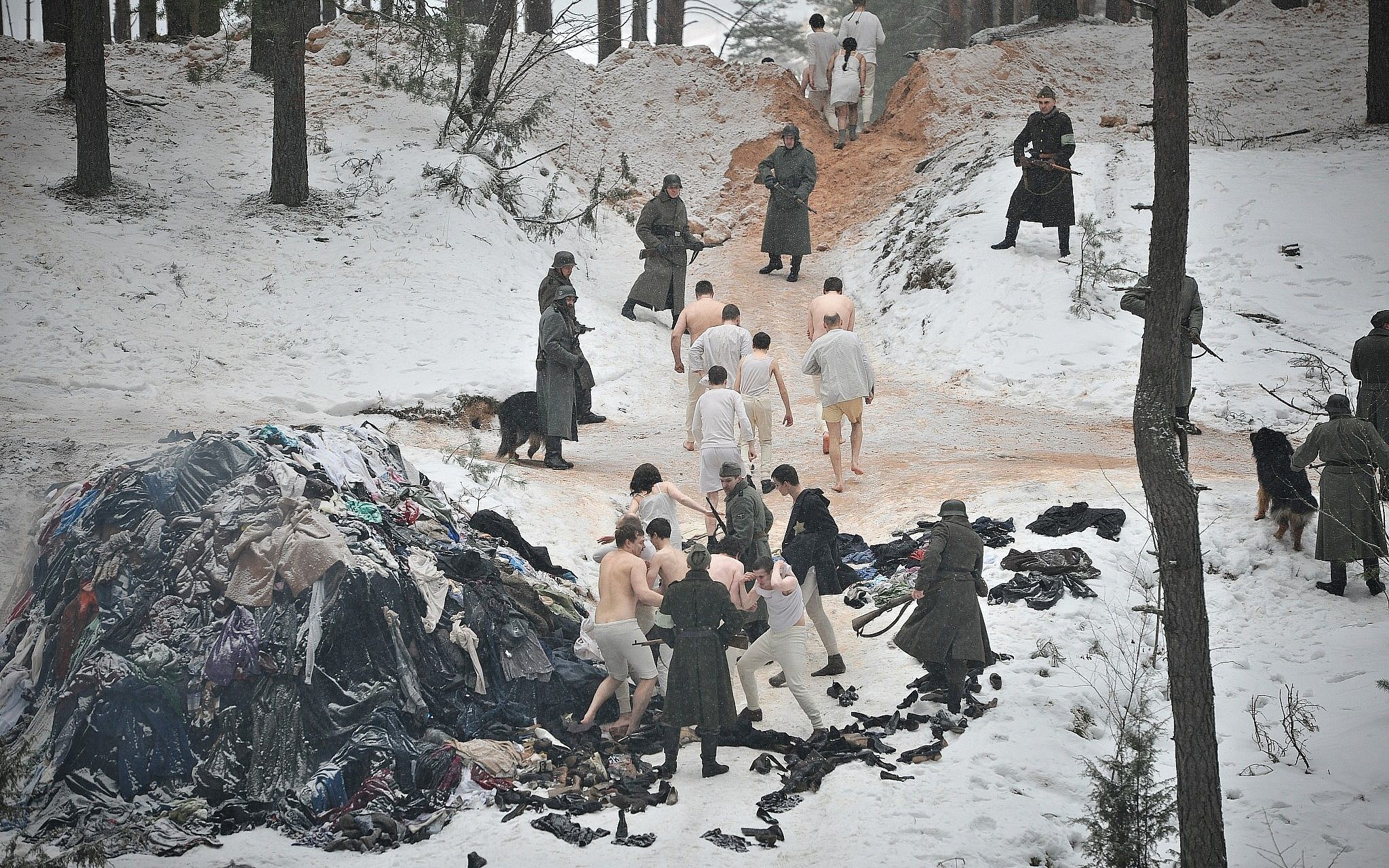



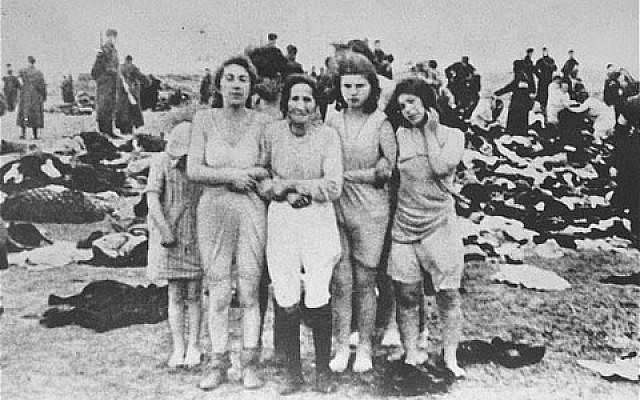

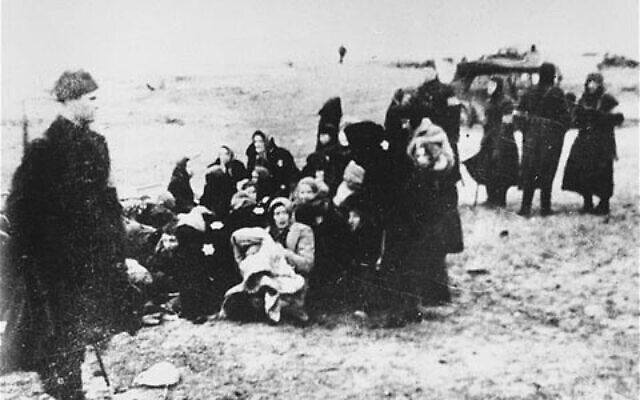

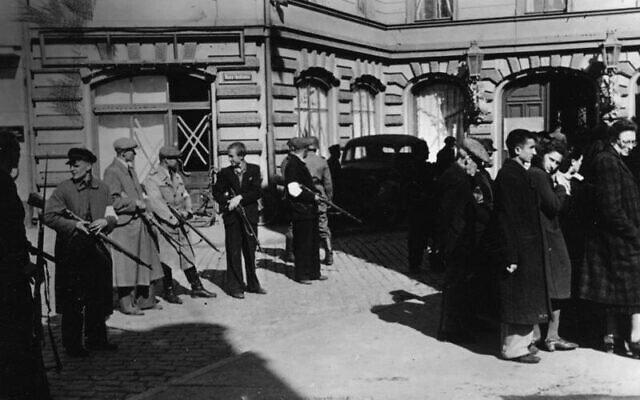

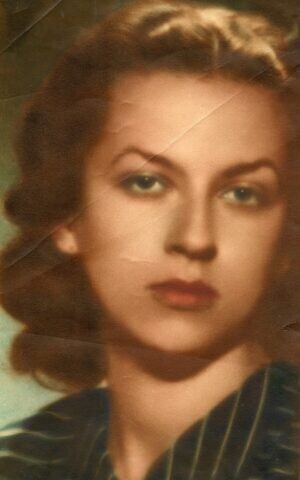
 Z
Z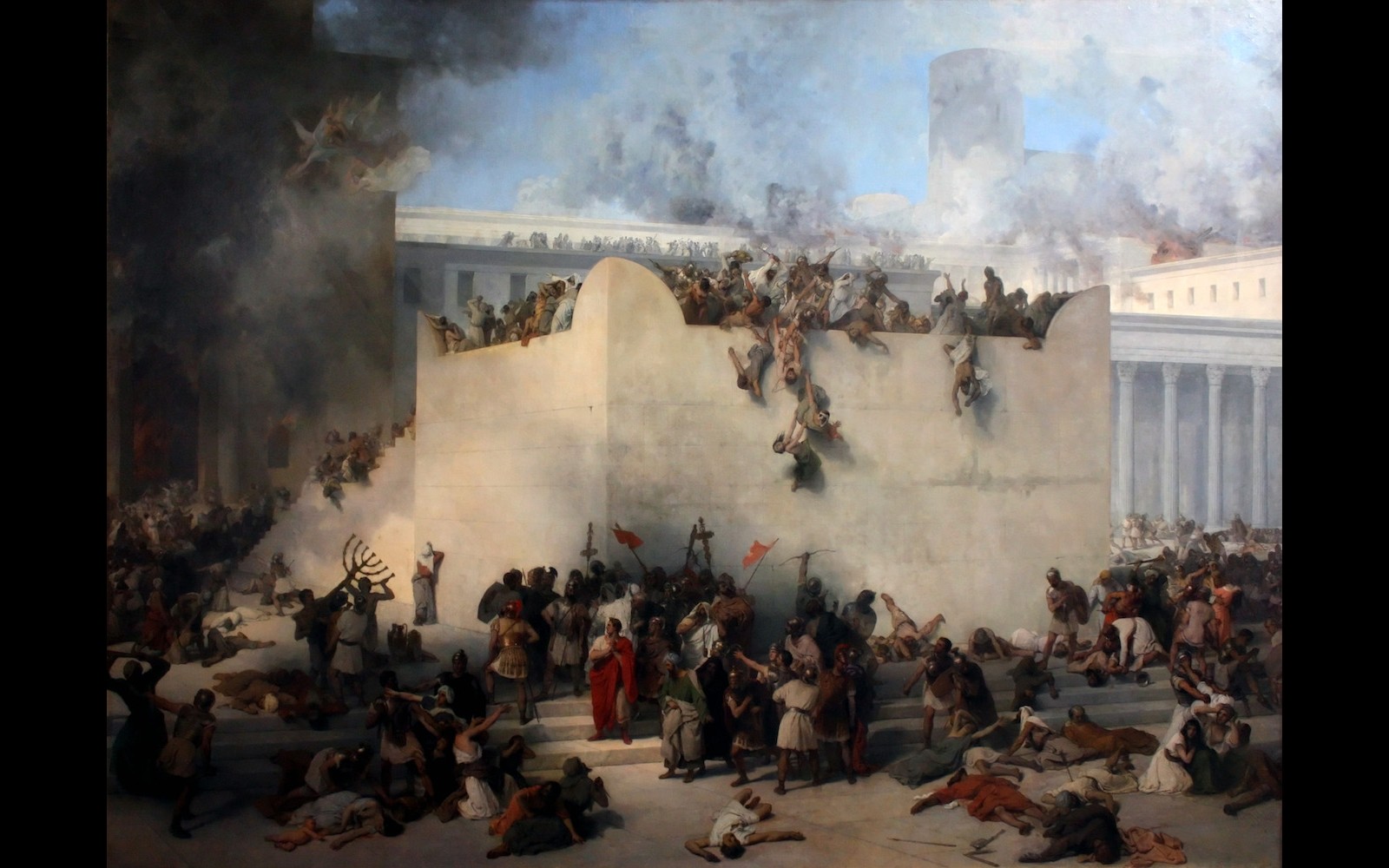


 Johann von Reuchlin
 Pope Leo X
 Bomberg Babylonian Talmud, Venice Pesachim


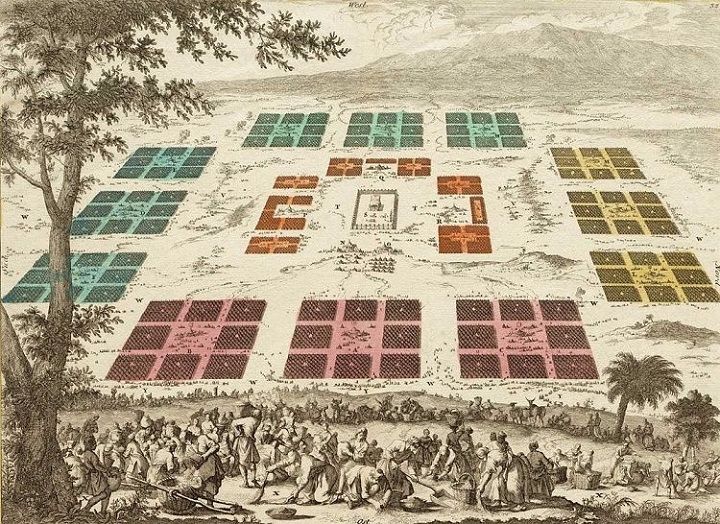


 Centro Estudios Judaicos del Sur de PR