Es muy fácil criticar a los demás, pero es difícil tomar conciencia de lo qué tu haces.
No quiero ser como la madre que tuve… me choca cómo tal persona actúa… no voy a criticar nunca a alguien como él me criticó… ¿Te suena conocido? ¿Cuántas veces juras no actuar como lo que te molesta, pero actúas exactamente como temías?
Es muy fácil decir “yo no quiero repetir los malos ejemplos”, pero es difícil cambiar. De hecho, de nada sirve asegurar que no vas a hacerle a otros lo que a ti te molesta, sin antes, enfocarse en lo que se desea hacer realmente.
Es vital pasar por un periodo de desintoxicación o reorganización mental y emocional, obteniendo patrones de comportamiento efectivos.
Cuando solo se crítica y se vive culpando a otros, te conviertes en ese juez cruel y te sometes a una lucha de emociones negativas, que impiden lograr una conexión efectiva con el mundo. Esta acción llena de frustración, enojo y repulsión. Además, no por el solo hecho de criticar, uno garantiza que podrá llegar a ser mejor persona del ejemplo que tanto aborrece.
Cuando uno asegura que no va a repetir los comportamientos, o los errores de las personas que más criticó, hace un pacto complicado con su propio inconsciente. Se enfoca en los aspectos negativos y sin querer… lo que se promete no hacer y tanto se critica, se convierte en una predicción asegurada.
Más pronto de lo que se imagina, esa actitud se torna en la profecía que hace que el comportamiento sea justo como lo que uno juró nunca ser. Esta predicción, se convierte en una sombra que persigue y recuerda las promesas y los falsos juramentos que no se pudieron cumplir.
Cuando uno se propone a dejar de hacer algo, o a actuar de alguna otra manera, sin antes concientizarse de sus acciones, tomar responsabilidad o cuestionar los pensamientos personales, no puede cambiar, ni convertiste en una persona más efectiva.
Para romper con la autocondena, uno debe hacer un esfuerzo para diluir sus pensamientos negativos; los cuales se dan por instinto. (Éstos, están dirigidos para encontrar rápidamente lo malo, el peligro, lo repudiado).
Para cambiar, es importante buscar la manera de redirigir la precepción y encontrar aspectos positivos y nobles, que nutran a los pensamientos positivos. Desde luego, otorgando el benéfico de la duda, sin asumir que la persona, hace lo incorrecto, lo indeseado o actúa por molestar.
Hay que aprender a buscar lo constructivo y encontrar modelos eficientes que ayuden y construyan relaciones. Hay que estar en busca de inspiración y motivación para actuar asertivamente. La mejora de la calidad de vida, proviene de una mente sana y tranquila. De pensamientos positivos y de la alegría para vivir, del amor propio y de la compasión por las personas que viven atormentadas por sus demonios.
El enojo y la repulsión, sólo nutren la parte negativa del pensamiento, entorpecen la forma de actuar, confunden a la persona y no dejan nada bueno, ni aportan una visión efectiva para vivir mejor.
La receta: Decretos positivos
Ingredientes
Conciencia – reconocer y aceptar a las personas y las situaciones
Actitud positiva – agradecer todo lo que se tiene, buena disposición, encontrar lo bueno
Perspectiva – ubicar el contexto de la realidad aceptando lo positivo y lo negativo
Reflexión – cuestionarse y meditar continuamente para redirigir los pensamientos personales
Amor propio – quererse a sí mismo y querer tener una buena calidad de vida
Afirmación positiva para redirigir los pensamientos:
Soy una persona positiva, noble y tengo buena voluntad. Tengo pensamientos positivos. Encuentro lo bueno en todas las personas. Acepto a mis padres, familiares, amigos, mis compañeros de trabajo, etc. Deseo el bien a toda persona. Siento alegría, y paz desde lo más profundo de mí ser. La vida es buena, me sonríe. Agradezco la oportunidad que tengo para vivir.
Como se pueden redirigir los pensamientos:
Los pensamientos positivos mejoran la calidad de vida y ayudan a tener mejores relaciones personales. Al reemplazar los sentimientos negativos o angustiantes, uno adquiere un balance emocional, que facilita encontrar modelos que inspiran y aportan ejemplos positivos para actuar.
Etiquetar a las personas sólo limita la forma en que se les percibe. Hay que tener cuidado cuando uno etiqueta a la gente, porque cuando uno insiste en que una persona es de tal forma, la manera de relacionarse con ella, hace que la percepción se haga real, como una profecía autocumplida, para bien o para mal.
Enfocarse en los resultados que se desean alinea efectivamente la forma de pensar. Las emociones son percepciones subjetivas y personales, sólo confunden y alteran la apreciación. Para lograr cambios efectivos es recomendable fijarse objetivos claros, y enfocarse en los resultados sin involucrar la forma de sentir.
“No critiques tanto lo que te molesta. Haz las paces con lo que te choca, ten compasión por los demás, y libérate. Solo asi podrás ser mejor”.
Shabbat is observed on the seventh day of the week in fulfillment of the biblical commandment: “Six days you shall labor and do all your work, but the seventh day is a Sabbath of Adonai your God.” (Exodus 20:9-10) In accordance with the Jewish calendar, the Sabbath begins on Friday evening at sunset and ends on Saturday night with the appearance of three stars. All Jewish days begin at sunset. This is based on the wording of the Creation story in Genesis 1. At the end of the description of each day, we find the phrase: “And there was evening, and there was morning…” Since evening is mentioned first, the ancient rabbis deduced that evening is first.
While Shabbat occurs on Friday evening and Saturday, it is more than simply another day of the week. It is a special day and we invest it with specialness. Friday and Saturday come automatically, but Shabbat takes place only when we make it happen. We prepare for Shabbat by the clothes we wear, by the meals we eat, by the lighting of Sabbath candles, and by chanting the Kiddush over wine to set apart this special time.
Shabbat is such a special time that it has been likened to the Messianic Age. A well-known midrash expresses this thought:
When God was about to give the Torah to the Jewish people, God summoned the people and said to them: “My children, I have something precious that I would like to give you for all time, if you will accept My Torah and observe my commandments.”
The people then asked: “Ruler of the universe, what is that precious gift You have for us?”
The Holy One, blessed by God, replied: “It is the world-to-come (the Messianic Age)!”
The Holy One, blessed be God, said: The Shabbat is a sample of the world-to-come, for that world will be one long Shabbat.”
Shabbat at Home
Shabbat truly becomes what it was meant to be as we bring it into our lives. We begin to create a Shabbat atmosphere by preparing our house for Shabbat. This need not be a monumental or cumbersome task. For instance, playing Jewish music while you clean can help create the Shabbat mood, and you can learn a lot of Jewish songs in the process. Bringing is some fresh flowers make the house more Shabbosdik (Yiddish for having a Shabbat atmosphere).
Friday night is a time for a special meal. The table is set as befits a visit by a queen since Shabbat is metaphorically seen as a queen. It is a time to use the best table linens, dishes and silverware. On the table are the candlesticks and candles, a Kiddush cup and wine, one or two loaves of challah covered with a challah cover.
Shabbat Greetings
It is traditional greet one another with a special greeting on Shabbat. Some say “Gut Shabbos.” This is Yiddish for “Have a good Sabbath.” This greeting is prevalent amongst those of Ashkenazi ancestry and those born in Europe. Another common greeting is “Shabbat Shalom.” This is Hebrew for “Sabbath Peace” and expresses the hope that one will have a peaceful Shabbat. This Hebrew greeting is used by those from Israel or of Sephardic ancestry. After the founding of the modern state of Israel, when many Jews began learning modern Hebrew, this phrase grew in popularity.
Tzedakah on Shabbat
Many households begin Shabbat by observing the mitzvah of tzedakah. While tzedakah is often translated as “charity,” it does not really mean charity. The word is based on a Hebrew root meaning “righteousness” or “justice.” The mitzvah (a religious obligation, which flows from the covenantal relationship between the Jewish people and God) of tzedakah places on every Jew the obligation to right the injustices of society. One of the ways we do this is by contributing money to help individuals or groups who are in need themselves or who are engages in helping others.
Shabbat Candles
The lighting of candles ushers in Shabbat. The practice is a rabbinic institution, which, over the centuries, has become the tradition. According to Jewish tradition, the woman of the household generally lights the Shabbat candles. However, since the lighting of candles is a requirement of Shabbat observance, not necessarily tied to gender, men or women may light them.
Jewish custom requires a minimum of two candles, since the fourth of the Ten Commandments occurs in two separate sections of the Torah in different form:
Remember the Sabbath day to keep it holy.
Observe the Sabbath day to keep it holy.
More than two candles may be kindled, but the usual number is two. It is customary to use white candles made especially for Shabbat, but candles of any color may be utilized so long as they will burn for a substantial length of time into the evening.
Orthodox Jews light Shabbat candles approximately fifteen to twenty minutes before sundown. During the summer, Shabbat candles are often lit somewhat earlier, since nightfall comes so late in the evening. Jewish tradition dictates, however, that no candles are to be lit once sundown passes. This practice is not strictly observed in Reform Jewish homes, where Shabbat candles are usually lit immediately prior to the Shabbat meal, whether before or after sunset.
Lighting the Shabbat Candles
According to traditional observance, one would not light a fire once Shabbat has begun. Thus, we light the candles before saying the blessing, since the blessing marks the beginning of Shabbat. However, since a blessing always precedes an act, we cover our eyes while reciting it so as not to view the burning candles until after the blessing has been completed.
The procedure, then, is as follows:
Light the candles.
Cover or close the eyes.
Recite the blessing:
Baruch atah Adonai, Eloheinu Melech haolam, asher kid’shanu b’mitzvotav v’tzivanu l’hadlik ner shel Shabbat.
“Blessed are You, Adonai our God, Ruler of the universe, who has sanctified us through Your mitzvot and commanded us to kindle the Shabbat candles.”
The Friday Night Shabbat Kiddush
Kiddush means “sanctification.” It comes from the same Hebrew root as the word kadosh, which means “holy.” Exodus 20:8 is the fourth of the Ten Commandments: “Remember the Sabbath day to keep it holy” (to sanctify it). The Rabbis interpreted the word “remember” as an injunction to sanctify Shabbat both at its beginning and at its end. The Kiddush fulfills the mitzvah at the beginning of Shabbat, the Havdalah service at its conclusion.
Wine is a symbol of joy and life in Judaism. While no specific reference to wine in relation to the Kiddush appears in the Torah, the Rabbis declared that the Kiddush should be recited over wine (“. . . borei p’ri hagafen“). Out of sensitivity to those who had no wine, however, the Rabbis also ruled that the Kiddush may be recited over the challah. In such a case, the Motzi is substituted for the prayer over the wine.
While it is customary for at least one adult male to recite the Kiddush, this ritual is a requirement of Shabbat itself and not necessarily the sole domain of men or women. Men or women may recite or chant the Kiddush. In addition, all those who are present at the table should join in the Kiddush, if they so desire.
There is no prescribed form or design for the Kiddush cup. Custom has resulted in beautiful cups being designed especially for Shabbat, to honor the Shabbat and its special significance. But any cup or glass may be used, the only traditional requirement being that it contain at least 3.3 ounces of wine.
The b’rachah (blessing) “. . . borei p’ri hagafen” refers to the fruit of the vine. Traditionally, the wine should be made from grapes and not other fruits. If there are members of the family who do not drink wine, they may recite the Kiddush over grape juice. Reform Jews may or may not observe kashrut and therefore use kosher or non-kosher wine and grape juice as they choose.
The traditional Shabbat Kiddush consists of three sections:
A section from the Creation story in the Torah describing how God rested on the seventh day, blessed it, and hallowed it (Genesis 1:31-2:3).
A blessing over the wine.
A blessing over Shabbat itself.
There is a beautiful story that some say explains this order. The rich people and the poor people had an argument over which b’rachah should come first. The rich people said: “The blessing over Shabbat should come first. What is wine? We can have wine every day of the week if we wish!” The poor people said: “The blessing over the wine should come first. Shabbat is special to us. We wish to honor it. But, for us, wine is a sacrifice. We have to save and scrimp to have our wine for Shabbat. Have respect for our sacrifice. Put the blessing over the wine first.” The Rabbis debated. Finally, it was decided that the blessing over the wine should come first, out of respect for the sacrifice of the poor. Before we drink the wine, we wish each other “L’chayim” (to life).
The Shabbat Challah
Challah refers to “dough” and specifies the special twisted loaf of bread eaten by Jews on Shabbat and other special occasions. Jewish tradition calls for a b’rachah (blessing) expressing thanks to God before eating any food. It represents a recognition that people owe a measure of gratitude to God for providing food for all living things.
Tradition holds that two whole challot (plural of challah) should be used on Shabbat as a remembrance of the double portion of manna that fell in the desert so that no Jew should have to gather food on Shabbat (Exodus 16:22-32). Another interpretation is that the two challot fulfill the biblical injunction articulated in the two versions of the Ten Commandments in the Torah: “Remember the Sabbath day to keep it holy” (Exodus 20:8) and ” Observe the Sabbath day to keep it holy” (Deuteronomy 5:12).
The challah is covered, often with a special decorative cloth before it is served. If a knife is used, it too is covered. The Rabbis used the challah as a vehicle to teach two important Jewish values: human dignity and the preciousness of peace.
As one looks at the Shabbat table, one notices that the Shabbat candles are in beautiful candlesticks and that the wine is held up in a lovely Kiddush cup. While the b’rachot over them are being recited, the challah lies alone on the table. The Rabbis, seeing this, decreed that the challah should be covered, lest its feelings be hurt by its seemingly secondary status. One rabbi said: “This teaches us concern for the feelings even of inanimate things. And if this is the case, how much more so we should be concerned about the feelings of human beings.” Thus, we cover the challot as a lesson in human dignity.
But why cover the knife? On Shabbat, our thoughts are of peace and harmony. The knife, in contrast, is seen as a weapon of war and violence. The knife is covered, then, to remove from sight any visible token of violence in the world. There is another tradition that no knife at all should be used, as a reminder of the prophetic verse: “And they shall beat their swords into plowshares and their spears into pruning hooks” (Isaiah 2:4). The challot are then broken apart by hand, with pieces distributed to all present. Whatever the practice, however, the lesson of the preciousness of peace is paramount.
Saying the Motzi over the Challah
1. The challot are uncovered and the Motzi blessing is recited as follows:
Baruch atah Adonai,Eloheinu Melech haolam, hamotzi lechem min haaretz.
“Blessed are You, Adonai our God, Ruler of the universe, who brings forth bread out of the earth.”
Others sitting at the table should either join in reciting the blessing or answer “amen” at its conclusion.
2. The challot are then sliced or broken apart, with pieces distributed to all present.
3. Before eating the challah, it is also traditional to salt it. There are several explanations for this practice. One interpretation is that salt is a spice and thus appropriate to use on the special eve of Shabbat. Others explain that the salt reminds us of the biblical verse “by the sweat of your brow shall you get bread to eat” (Genesis 3:19). The challah thus serves as a tangible symbol of the Jewish values of gratitude to God, the uniqueness of people, the quest for peace, and the dignity and worth of every individual- all important and appropriate themes for Shabbat. There is also a connection to the sacrifices done in the Temple in Jerusalem, in which salt was used on all the offerings on the altar.
Blessing One’s Children on Shabbat
There is a Jewish custom in which parents bless their children on Shabbat. This beautiful tradition derives from one of the most touching of biblical stories.
Joseph was sold into slavery by his brothers (Genesis 37). The brothers lied to Jacob, his father, and told Jacob that Joseph had been killed by a wild beast. Years later, Joseph, who was by now governor over Egypt, was reunited with his brothers in a moving biblical tale of sibling reconciliation (Genesis 45). Joseph then brought his father to Egypt in order to care for him in his last years.
When Jacob lay on his deathbed, he summoned Joseph in order to bless him. Joseph entered with his two sons, Ephraim and Menasseh. The Torah records this touching scene in Genesis 48:8-11, 20:
And Israel [another name for Jacob] beheld Joseph’s sons and said: “Who are these?” And Joseph said unto his father: “They are my sons, whom God hath given me here.” And he said: “Bring them, I pray thee, unto me, and I will bless them.”
Now the eyes of Israel were dim for age, so that he could not see. And he brought them near unto him and kissed them and embraced them. And Israel said unto Joseph: “I thought that I would never see your face again; but God has let me see your children also.” . . .
And he blessed them that day, saying: “By you shall Israel [the Jewish people] bless, saying: God make you as Ephraim and as Menasseh.”
We relive the story of the blessing of the children through a simple Shabbat ceremony, just after blessing the candles and before the Kiddush. The parents place both hands on the child’s bowed head and recites the following blessing:
For sons:
Y’simcha Elohim k’Efrayim v’chiM’nasheh.
“May God make you as Ephraim and Menasseh.”
For daughters:
Y’simeich Elohim k’Sarah, Rivkah, Racheil, v’Lei-ah.
“May God make you as Sarah, Rebekah, Rachel, and Leah.” (These are the four Matriarchs of Jewish history.)
The parents then pronounce the traditional threefold benediction over all the children together:
May Adonai bless youand care for you.
May the light of Adonai‘s countenance shine upon you and be gracious unto you.
May Adonai‘s countenance be lifted upon you and give you peace.
If there are memories that last a lifetime, a parent’s blessing is surely one of them. This ritual, sometimes neglected, is a meaningful addition to every family’s Shabbat celebration.
Celebrating Shabbat in the Synagogue
Another very important aspect of Shabbat is community. The community gathers for worship each Shabbat, reaffirming our covenantal tie to God and to one another. Some synagogues have their major Sabbath service on Friday evening while others have it on Saturday morning. The service consists of prayers and readings in Hebrew and English (the amount of Hebrew and English varies from synagogue to synagogue), songs, a Torah reading, and a talk or sermon. In many temples, after Shabbat evening services there is an Oneg Shabbat (joy of the Sabbath) at which refreshments are served and there is an opportunity to socialize. Following Shabbat morning services, there is a Kiddush in the synagogue. After the blessings over the wine and the bread, people exchange Shabbat greetings.
One of the things that makes this day so special is that we eat so well. Many people have a special meal following the morning service and another smaller meal (seudah shelishsit) before sunset.
Havdalah
Just as there is a ceremony welcoming Shabbat, so there is one to mark its conclusion. It is called Havdalah, which means “separation.” The ceremony takes place on Saturday night after sunset. The lights are usually off or kept dim. It consists of blessings over wine, spices, and a braided candle. While it resembles the Friday night ceremony in many ways, there are some differences as well. Wine is used at both ceremonies. Two candles and a braided challah are used on Friday night while, on Saturday night, one braided candle with many wicks is used. The new element in the ceremony is the blessing of sweet-smelling spices. There is an explanation offered for this ceremony. Because Shabbat is such a special day, each Jew receives an extra soul at the beginning of Shabbat, which departs at the end of Shabbat. To revive us, because we’ve lost this extra soul, we smell spices at Havdalah, bringing some of the sweetness of the Shabbat with us into the week. The climax of the ritual is when the candle is doused in the wine, and we stand in the darkness of the new week. But the darkness is not one of hopelessness; it is a time when we confront the new week with a vision of what we must do to bring about a better world. We sing the song of the prophet Elijah, symbol of the messianic future – a time when the world will be perfected.
Rest, worship and study are essential elements of Shabbat observance. The principle of Shabbat is to sanctify time. The whole of Shabbat is greater than the sum of its parts. It is more than lighting candles, drinking wine, or attending a service. We sanctify Shabbat by setting it apart, making it distinctive, and differentiating it from the rest of our week. As Abraham Joshua Heschel has written: “Six days a week we live under the tyranny of things of space; on the Sabbath we try to become attuned to holiness in time.”
Los críticos de la decisión estadounidense de reconocer la soberanía israelí sobre los Altos del Golán interpretaron erróneamente el significado legal del preámbulo de la Resolución 242 del Consejo de Seguridad de la ONU, de noviembre de 1967, que contiene una referencia al principio de “inadmisibilidad de la adquisición de territorio por la guerra”.
Los estudiosos jurídicos han establecido una distinción entre la confiscación de territorio en las guerras de agresión, que es ilegal, y la confiscación de territorio por un Estado que ejerce su legítimo derecho a la defensa.
En una publicación en el American Journal of International Law en 1970, Stephen Schwebel, quien se convirtió en el asesor legal del Departamento de Estado de los Estados Unidos y luego presidente de la Corte Internacional de Justicia en La Haya, escribió sobre el significado legal de esta diferencia. También citó al gran erudito británico Elihu Lauterpacht, quien argumentó que “el cambio territorial no puede ocurrir adecuadamente como resultado del uso ilegal de la fuerza”.
¿Qué pasa con los casos del uso lícito de la fuerza? A raíz de la Segunda Guerra Mundial se implantaron importantes cambios territoriales en Europa. Por ejemplo, Alemania perdió tierras considerables en Polonia y en la Unión Soviética. Estaba claro que la Carta de la ONU reconocía el derecho de los Estados a usar la fuerza en defensa propia, tal como es el caso de la entrada de Israel en los Altos del Golán.
En 1967, en el Consejo de Seguridad de la ONU, la Unión Soviética fracasó cuando se comprometió a obtener la condena de Israel como agresor en la Guerra de los Seis Días, perdiendo la votación por 11 a 4. Los soviéticos luego fueron a la Asamblea General y fracasaron otra vez. Estaba claro para los Estados miembros de ambos organismos de la ONU que Israel había actuado en defensa propia.
Tampoco es cierto que la decisión del Golán represente un nuevo cambio importante en la política de Estados Unidos. En 1975, el presidente Gerald Ford le escribió al primer ministro Yitzhak Rabin que los Estados Unidos “darán gran importancia a la posición de Israel con relación a que cualquier acuerdo de paz se pronuncie sobre la permanencia de Israel en los Altos del Golán”.
En 1991 el secretario de Estado James Baker escribió una nueva carta al primer ministro Yitzhak Shamir reconfirmando la carta de Ford. En 1996, el secretario de Estado Warren Christopher escribió al primer ministro Benjamín Netanyahu, volviendo a comprometer a Estados Unidos con la carta de Ford.
Hay dos argumentos principales que se usan con frecuencia para criticar la decisión del presidente Trump de reconocer la soberanía israelí sobre los Altos del Golán.
El primero se centra en el estatus legal de la captura por parte de Israel de los Altos del Golán de manos de Siria en la Guerra de los Seis Días en 1967 y su posterior decisión de extender su ley al área. Los críticos de Israel argumentaron que el Estado judío había violado el derecho internacional. Por extensión, dicen que el movimiento de Estados Unidos tuvo el efecto de legitimar una situación ilegal. Se armaron con una mala interpretación del significado legal del preámbulo de la Resolución 242 del Consejo de Seguridad de la ONU de noviembre de 1967, que contenía una referencia al principio de “inadmisibilidad de la adquisición de territorio por la guerra”.
Esta posición conduce a una segunda afirmación común en los críticos de la decisión de Estados Unidos de reconocer la soberanía israelí sobre los Altos del Golán.
Se dice que la medida del presidente Trump representó una brusca ruptura en la política de Estados Unidos sobre este tema. Así, un columnista del Washington Post escribió el 22 de marzo: “Ningún presidente ha reconocido el control de Israel sobre los Altos del Golán. Trump cambió eso con un tuit”. ¿En serio?
El hecho es que los estudiosos jurídicos han establecido una distinción entre la toma de territorio en guerras de agresión, que es ilegal, y la toma de territorio por un Estado que ejerce su legítimo derecho a la defensa.
Así fue como, cuando los diplomáticos aceptaron la frase “la inadmisibilidad de la adquisición de territorio por la guerra” se referían a la guerra agresiva, no a la guerra defensiva.
En una publicación en el American Journal of International Law en 1970, Stephen Schwebel, quien luego se convirtió en el asesor legal del Departamento de Estado de los Estados Unidos y luego en el presidente de la Corte Internacional de Justicia en La Haya, escribió sobre el significado legal de este diferencia. También citó al gran erudito británico Elihu Lauterpacht, quien argumentó que “el cambio territorial no puede ocurrir adecuadamente como resultado del uso ilegal de la fuerza”.
¿Qué pasa con los casos del uso lícito de la fuerza? A raíz de la Segunda Guerra Mundial, se implementaron importantes cambios territoriales en Europa, a medida que los territorios del eje pasaron al lado de los aliados. Por ejemplo, Alemania perdió tierras considerables en Polonia y en la Unión Soviética. Schwebel se refiere a la decisión de la ONU al final de la Guerra de Corea de respaldar los reclamos de Corea del Sur sobre “territorio sustancial” al norte del paralelo 38.
En última instancia esas reclamaciones no se hicieron efectivas, pero estaba claro que la Carta de las Naciones Unidas reconocía el derecho de los Estados a usar la fuerza en defensa propia, como es el caso de la entrada de Israel en los Altos del Golán, y que esto tenía implicaciones en las modificaciones de los límites anteriores a la guerra.
¿Cómo sabemos que Israel no fue el agresor en 1967? En ese momento, en el Consejo de Seguridad de la ONU la Unión Soviética se comprometió a obtener la condena de Israel como agresor en la Guerra de los Seis Días. Fracasó perdiendo el voto por 11 a 4. Los soviéticos luego fueron a la Asamblea General y fallaron una vez más. ¿Cómo se puso la Unión Soviética en una situación tan precaria? Fue tan claro como el día para los Estados miembros de ambos organismos de la ONU que Israel actuó en defensa propia.
Como se señaló anteriormente, los críticos acerca de la decisión del Golán de la administración de Trump también dicen que representa un cambio importante en la política de Estados Unidos en el Medio Oriente. Sin embargo, eso no es cierto. A partir de 1975, con la carta del presidente Gerald Ford al primer ministro Yitzhak Rabin, Estados Unidos dirigió una serie de cartas en las que expresaba su política sobre los Altos del Golán. En su momento, Ford escribió: “Estados Unidos no ha desarrollado una posición final en las fronteras. Si lo hace, le dará mucho peso a la posición de Israel con relación a que cualquier acuerdo de paz se basará en la permanencia de Israel en los Altos del Golán”.
Estados Unidos mantuvo vivo en el tiempo el compromiso de Ford. En 1991, en el contexto de los preparativos para la Conferencia de Paz de Madrid, el secretario de Estado James Baker escribió una nueva carta al primer ministro Yitzhak Shamir reconfirmando la carta de Ford.
También hubo una tercera carta. Durante el trabajo de la administración Clinton en la negociación del Protocolo de Hebrón, el secretario de Estado Warren Christopher escribió una carta de garantía al primer ministro Benjamín Netanyahu, con fecha 19 de septiembre de 1996, que volvió a comprometer a Estados Unidos con la carta de Ford.
Estas cartas no constituían un reconocimiento formal por parte de Estados Unidos de la soberanía israelí sobre el Golán, pero sí indicaron que en algún momento en el futuro, cuando haya “desarrollado una posición final en las fronteras”, podría decidir otorgar ese reconocimiento. Ese momento ha llegado. Claro que hubiera sido bueno si todo esto estuviera sucediendo en el contexto de un tratado de paz israelí-sirio.
Pero ahora se ha revelado hasta qué punto el presidente sirio Assad cometió asesinatos en masa de sus propios ciudadanos. La paz real no está a la vista, pero la idea de que Estados Unidos eventualmente reconocería la soberanía israelí en los Altos del Golán sobrevivió. Bajo la presidencia de Trump “eventualmente” se convirtió en “el día de hoy”.
En resumen, la declaración de Trump no fue una brusca ruptura en la política de Estados Unidos, sino un cumplimiento de esa política cuarenta y cuatro años después de que se articuló por primera vez.
Quizás el aspecto más importante de la decisión de Estados Unidos de reconocer la soberanía israelí sobre los Altos del Golán se deriva de su contribución a la estabilidad.
Históricamente, desde 1949 a 1967, Siria abusó de su Acuerdo de Armisticio atacando granjas y pueblos israelíes en Galilea, situados a 1700 pies por debajo del Golán. Siria se unió a la coalición de guerra árabe en 1967, lo que llevó aún más al fracaso del antiguo sistema de armisticio. Finalmente lanzó un ataque sorpresa a Israel en 1973.
Hoy, el régimen sirio se alió con Irán e invitó a las fuerzas armadas iraníes y a las milicias chiitas bajo su mando a desplegarse frente a Israel y los Altos del Golán. El general Qassam Suleimani, comandante de la Fuerza Quds de la Guardia Revolucionaria, ha propuesto que esta fuerza llegue a 125 mil hombres. El comandante adjunto del Cuerpo de Guardias Revolucionarios Islámicos declaró en el verano de 2018 que estaba esperando órdenes para erradicar el “malvado régimen” de Israel.
Claramente existe un agresor con intenciones hostiles en el norte de Israel, llamado Siria, y un Estado que puede verse obligado a defenderse, a saber, Israel.
Dadas estas condiciones, el reconocimiento por parte de Estados Unidos de la soberanía israelí sobre el Golán es una forma diplomática de castigar al agresor y recompensar a la parte que ha sido víctima de la agresión. Los Estados que se niegan a hacer esa distinción no solo están socavando la seguridad de Israel, sino que también están debilitando una piedra fundamental de un futuro orden mundial.
The anti-Israel campaign in the Arab and Islamic world sees peace with Israel — and not failed leadership, bad economic policies and corruption — as the biggest threat to Arabs and Muslims. Recognizing Israel’s right to exist is also seen by many Arabs and Muslims as a humiliation to their values, their culture, their political power and their economic traditions. They seem concerned that Arabs and Muslims might wake up one morning and start demanding freedom of expression and free and democratic elections like the ones held every few years in Israel.
The anti-peace camp seems to want its people to continue living in misery and under dictatorships, so that it is easier to recruit people to jihad against Israel and the West. Also, if people are lifted from poverty and misery and begin to enjoy the fruits of modern civilization, there is a chance that Arabs and Muslims will move away from Islam and even start endorsing the inadmissible values of the West.
The Trump administration will soon discover what every child in the Arab and Islamic world already knows: that the Israeli-Arab conflict is not about a settlement or a checkpoint or a security fence, but about Israel’s very right to exist in the Middle East. The Trump administration will also learn that peace with Israel is seen by many Arabs and Muslims as nothing but an unacceptable threat that must at all costs be stopped.
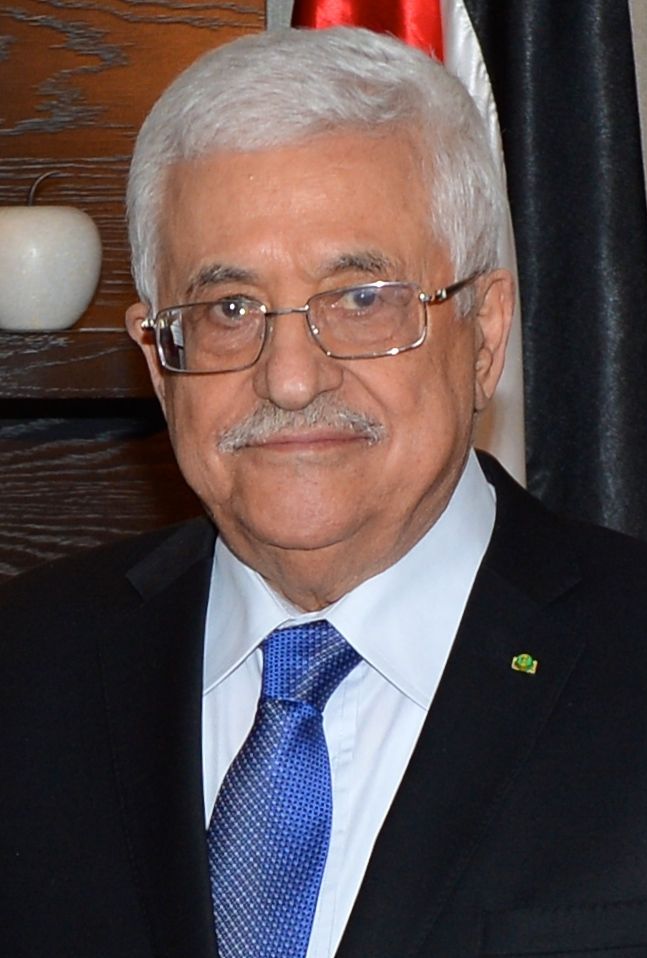
Palestinian Authority President Mahmoud Abbas, who is often described by Western media and officials as “moderate” and “pragmatic,” last year quoted Egyptian intellectual Abdel-Wahab El-Messiri, saying Israel “constitutes a colonialist enterprise that has nothing to do with Judaism,” and adding that Europeans wanted “to transfer the Jews” to the Middle East because “they wanted this region to become an advanced post to protect the interests and the convoys coming from Europe to the East.” (Image source: MEMRI video screenshot)
Peace with Israel is purportedly a form of surrender and submission that will harm the dignity of Arabs and Muslims.
This is the theme of a massive campaign being waged by Palestinians and other Arabs in preparation for the announcement of the US administration’s plan for peace in the Middle East, also known as the “deal of the century.” The plan, according to US officials, is expected to be announced sometime after the general elections in Israel, slated for April 9.
The latest campaign is designed to thwart the “deal of the century” and terrorize Arabs and Muslims who may wish to accept the US administration’s peace plan.
As part of an effort to raise awareness to the dangers of the “deal of the century,” an increasing number of Palestinians and Arabs are now trying to explain to their people why peace and normalization of ties with Israel is totally unacceptable.
The latest effort came in the form of an online campaign called “The International Anti-Normalization Campaign.”
The organizers of the campaign say they are worried that some Arab states and leaders may cooperate with the “deal of the century.” They are concerned because they see that some Arab states and leaders are already engaged in various forms of normalization with Israel.
The campaign clearly aims to send a warning not only to ordinary Arabs and Muslims, but also to their leaders, about the “dangerous repercussions” of making peace with Israel.
According to the organizers of the anti-peace campaign, “normalization [with Israel] is the miserable outcome of a culture of surrender and submission” — and concessions and peace are only shameful and degrading.
For them, the words peace and compromise (with Israel) seem associated with extremely negative connotations such as retreat, defeat and surrender.
Recognizing Israel’s right to exist is also seen by many Arabs and Muslims as a humiliation to their values, their culture, their political power and their economic traditions. They have been educated to see Israel as an alien body and a “colonial project” planted in the Middle East by Western powers. They therefore cannot accept the presence of Jews — in what they regard as their own sovereign state — on lands they believe belong solely to Muslims.
Even Palestinian Authority President Mahmoud Abbas, who is often described by Western media outlets and officials as a “moderate” and “pragmatic” Arab leader, shares the view that Israel is nothing but a “colonial project.” In a speech before PLO delegates in Ramallah last year, Abbas quoted Egyptian intellectual Abdel-Wahab El-Messiri, saying:
“The functional nature of Israel means that it was evoked by colonialism in order to fulfill a specific function, and thus it constitutes a colonialist enterprise that has nothing to do with Judaism.”
“[Oliver Cromwell] came up with the idea of transferring the Jews from Europe to the Middle East… because they wanted this region to become an advanced post to protect the interests and the convoys coming from Europe to the East… He asked Holland, which owned the largest fleet in the world, to transfer the Jews, but the project was unsuccessful. This was in 1653.”
In the past year, Abbas has also repeatedly announced his rejection of the unseen “deal of the century.” He has referred to the plan as a “conspiracy” and the “slap of the century.” How then can he turn to his people and suddenly accept it — or any deal that might recognize Israel’s right to exist?
“Normalization [with Israel] is tantamount to defeat,” explained Mohammed al-Adloni, secretary-general of an anti-Israel group, “The International Coalition for Supporting Jerusalem and Palestine.”
He went on to warn that making peace or normalizing ties with Israel would constitute a threat to the “consciousness” of Arabs and Muslims. Making peace with Israel, al-Adloni said, would be like “a complete occupation of the consciousness [of Arabs and Muslims].”
Al-Adloni and other anti-Israel activists in the Arab and Islamic countries appear worried that, should they make peace with the “Zionist entity,” their people might be exposed to democratic values and freedom of expression. They seem concerned that Arabs and Muslims wake up one morning and start demanding free and democratic elections like the ones held every few years in Israel.
The anti-peace camp in the Arab and Islamic world appears not to want its people exposed to advanced Israeli technology, including medical care. This camp seems to want its people to continue living in misery and under dictatorships, so that it is easier to recruit people to jihad against Israel and the West. Also, if people are lifted from poverty and misery, and their living conditions are improved so they begin to enjoy the fruits of modern civilization, there is a chance that Arabs and Muslims will move away from Islam and even start endorsing the inadmissible values of the West.
This camp, extremists, seem not to care about lowering the high rate of unemployment among Arabs and Muslims, improving the living conditions of its people or offering young Arabs and Muslims hope for a better future. They seem instead to want their people to continue living in misery so that their anger, again, can be directed more easily towards Israel and the West.
The anti-Israel campaign in the Arab and Islamic world sees peace with Israel — and not failed leadership, bad economic policies and corruption — as the biggest threat to Arabs and Muslims. The message that the anti-peace activists are sending to their people says: “Peace with Israel is the worst thing that could happen to us Arabs and Muslims because these Jews will invade our minds and our culture.”
Yasser Qadoura, who represents a Lebanon-based group called “The Popular Committee for Palestinians in the Diaspora,” says that his organization is now making a big effort to educate Arabs and Muslims about the “dangers” of peace and normalization with Israel. He said that his followers and he are planning to publish a “list of shame” containing the names of Arabs and Muslims who are caught promoting peace and normalization or trying to make peace with Israel.
Anyone whose name appears on the list will immediately be denounced by Arabs and Muslims as a “traitor.” Treason, in many of the Arab and Islamic countries, is a charge punishable by death. The “list of shame” would therefore be seen by Arabs and Muslims as a license to kill anyone who dared even to talk about peace with Israel.
Last month, a large group of Arab and Islamic activists who met in the Lebanese capital of Beirut ruled that “all forms of normalization with the Zionist entity are an act of treachery.” According to the group, an Arab or Muslim who even engages in sports, cultural and artistic activities with the “Zionist entity” would be considered a “traitor.” In the eyes of the Arab and Islamic activists, including Islamic religious leaders, anyone who plays soccer or attends a cultural event with a Jew would be condemned as a “traitor.”
If and when US President Donald J. Trump’s administration finally publishes its plan, it will discover that many Arabs and Muslims have already launched a campaign of intimidation to stop their leaders from making peace with Israel. If an Arab or Muslim child is prohibited from playing soccer with a Jew, how can the Trump administration expect the Arabs and Muslims to recognize Israel’s right to exist?
The Trump administration will soon discover what every child in the Arab and Islamic world already knows: that the Israeli-Arab conflict is not about a settlement or a checkpoint or a security fence, but about Israel’s very right to exist in the Middle East. The Trump administration will also learn that peace with Israel is seen by many Arabs and Muslims as nothing but an unacceptable threat that must at all costs be stopped.
Bassam Tawil is a Muslim Arab based in the Middle East.
Recent comments by members of Congress and their defenders once again raise the question: Are Jews too powerful? This question, which has never been raised about other groups, manifests a double standard against the Jewish people. It must not be ignored. Here is my answer.
When I hear that Jews are too powerful, my response is, we are not powerful enough. When I hear that AIPAC is too influential a lobby, I say it must become even more influential. When I hear that Jews contribute too much money to support pro-Israel causes, I say we must contribute more. When I hear that Jews control the media, I ask “Why is so much of the media so anti-Israel?” When I hear that Jews have too much influence on the outcome of elections, I say we need to increase our influence. We aren’t doing enough. We must do more.
Jews have contributed enormously – disproportionately – to America’s success. Along with other immigrants, Jews have helped change our country for the better: academically, scientifically, economically, politically, militarily, medically, legally, technologically and in so many other ways. We have earned the right to act as first-class citizens. No other group is ever accused of having too much power and influence. That false claim – dating back to times and places where Jews had little or no influence – is an anti-Semitic trope that tells us more about the anti-Semites who invoke it that it does about the Jews.
History has proven that Jews need more power and influence than other groups to secure their safety. During the 1930s and early 1940s Jews had morality on their side, but they lacked the power and influence to save six million of their brothers and sisters from systematic murder. If Israel had existed then, with the powerful army it now has, the history of European Jewry might well have been different. If Jews had more political power in the United States during that time, the doors of our nation would not have been shut to our brothers and sisters seeking asylum from Nazism.
In the Middle East, Israel must have more military power than all of its enemies and potential enemies combined. As Benjamin Netanyahu wisely put it: “The truth is that if Israel were to put down its arms there would be no more Israel. If the Arabs were to put down their arms there would be no more war.” Israel therefore must maintain, with or without the help of the United States, its qualitative military superiority in the region. And the region of its enemies has now expanded to Iran and Turkey, two Muslim, non-Arab, extreme anti-Israel nations with powerful armies. So Israel must get stronger, not weaker, despite its current military superiority.
Elie Wiesel once said that the lesson of the Holocaust is that, “We must believe the threats of our enemies, more than the promises of our friends.” For me, an additional lesson is that Israel and the Jewish people must be more powerful than their enemies.
The Psalmists put it very well when they wrote, “hashem oz l’amo yiten; hashem yivarech et amo b’shalom.” I interpret this wonderful verse to mean that, “God will give the Jewish people strength, and only through strength will they achieve Shalom, peace.”
When anybody ever challenges Jewish power and influence, remind them that Jewish power is the best road to peace: that history has proven that Jews without power are vulnerable to the oldest prejudice known to humankind – a prejudice that may abate, as it did for several decades following the Second World War, but it always rears its ugly head as it is now doing in England, France, Eastern Europe and on the hard left in the United States. When Jewish power and influence are used in the cause of peace and justice – as it is today – there is nothing to be ashamed of. It should be a source of pride.
¿Cuál es precisamente la base de la creencia y la nacionalidad judía?
Pregunta
Tengo que dar una charla sobre el tema “Los judíos: ¿raza o religión?”. Mi madre siempre me enseñó que el judaísmo es una raza, pero quiero el consejo de un experto. ¿El judaísmo es una raza o una religión? ¿Cuál es precisamente la base de la creencia y la nacionalidad judía?
Respuesta del Rabino de Aish
Categorizar al judaísmo “sólo” como una religión es una equivocación. El pueblo judío es una nación que comparte un territorio común (Israel), una religión común (el judaísmo) y una historia común (que comienza con Abraham).
Lo asombroso es que los judíos hayan mantenido su distintiva identidad nacional a pesar de estar esparcidos por los cuatro rincones de la Tierra. Este logro fue posible sólo gracias a nuestro apego a la Torá, la “constitución” del pueblo judío.
Las leyes de la Torá establecen el alcance de los derechos y las obligaciones personales, así como las leyes que abarcan el ciclo de vida, la práctica comercial, la ética médica, el rol del padre y de la madre, la vida matrimonial, etc. Por lo tanto, la observancia de la Torá fue el factor común que mantuvo al pueblo judío vivo y pujante en toda era y lugar.
Habiendo dicho esto, cabe destacar también que el judaísmo tampoco puede clasificarse como una raza en su definición simple, porque cualquier persona puede volverse judía si se convierte. Un converso se considera judío en todo aspecto, y su relación con Dios tiene el mismo nivel que la de cualquier otro judío.
Si alguna vez tienes la oportunidad de visitar Israel, encontrarás judíos de todo tipo: occidentales, europeos, de tez oscura, orientales, etiopíes, indios, etc., por lo cual sería incorrecto decir que el judaísmo es una raza.
En casi una década de trabajo descubrió el asesinato de un millón y medio de judíos durante la Segunda Guerra Mundial.
Es posible que el padre Patrick Desbois, un sacerdote francés, sea el mejor detective de todos los tiempos. En casi una década de trabajo descubrió el asesinato de aproximadamente un millón y medio de judíos en Europa Oriental durante la Segunda Guerra Mundial. En su libro, In Broad Daylight (A plena luz del día), registra con exhaustivos detalles los asesinatos masivos de judíos en Europa Oriental.
Si bien las ejecuciones masivas de judíos en países tales como Polonia, Francia y Alemania en los campos de concentración y exterminio están bien documentadas, en los países orientales como Rusia, Ucrania, Bielorrusia y otras naciones vecinas, los nazis usaron un método diferente para asesinar judíos. En esas regiones más de un millón y medio de judíos fueron asesinados por unidades militares nazis móviles llamadas Einsatzgruppen. Los judíos eran llevados a los campos o bosques, les disparaban y los enterraban. Sus tumbas masivas quedaban sin marcar y eran olvidadas. El padre Desbois llama a estas masacres “El holocausto de las balas”. Él transformó la búsqueda para descubrir estos crímenes en su misión de vida, caso por caso, y revelar al mundo lo que ocurrió.
El abuelo del padre Desbois fue prisionero de guerra en Ucrania en un pueblo llamado Rawa-Ruska, aunque casi no habló con su nieto sobre lo que vio allí. Una visita a Polonia y Ucrania hizo que el Holocausto se volviera más real y al regresar a Francia el padre Desbois comenzó a estudiar hebreo e historia judía. Él quiso ver por sí mismo qué había pasado con los judíos cerca del campo nazi en Rawa-Ruska.
Le llevó años de visitas a Rawa-Ruska hasta que finalmente descubrió por lo menos una parte de la verdad. Al comienzo, el padre Desbois fue rechazado. El alcalde del pueblo se negó a hablar y tampoco los habitantes del lugar cooperaron. Al investigar la historia del pueblo, el padre Desbois descubrió que durante el Holocausto desparecieron del lugar 10.000 judíos. Estaba pasmado. Incluso el asesinato de una sola persona en ese pequeño pueblo hubiera sido un gran evento. El padre Desbois no podía entender cómo el asesinato de 10.000 personas había pasado inadvertido, y nadie parecía recordarlo.
Comenzó a buscar sobrevivientes del campo de prisioneros de Rawa-Ruska que estuvieron allí con su abuelo. Finalmente encontró a uno, Rene Chevalier, un sobrino del famoso cantante francés Maurice Chevalier. Él aceptó encontrarse con el padre Desbois. “¿Alguna vez vio que asesinaran judíos?”, le preguntó el padre Desbois.
Los ojos de Chevalier se nublaron. “Él comenzó a hablar con la voz llena de emoción contenida, y la mirada fija en la distancia”, cuenta el padre Desbois. “Había sido testigo de la requisa de mujeres judías para efectuar la cosecha cuando no había más animales para empujar las carretas cargadas de heno. Ellas llegaron en la mañana con sus hijos a cuestas. El alemán que estaba a cargo no soportaba sus llantos y cuando se irritaba demasiado, agarraba a un niño y lo golpeaba contra el carro hasta matarlo. Por la tarde sólo quedaban las mujeres, los carros y el heno”.
En el año 2003 el padre Desbois regresó a Rawa-Ruska. El nuevo alcalde sabía lo que estaba buscando., Él se acercó al padre Desbois y le dijo: “Patrick, te estábamos esperando”. Él llevó al padre Desbois a un área desolada fuera del pueblo donde lo esperaban un centenar de ancianos. Ellos lo llevaron a la tumba masiva de los judíos de Rawa-Ruska, donde les habían disparado y enterrado. Uno por uno, los ancianos comenzaron a hablar, recordando el día en que los judíos fueron masacrados. Los judíos fueron llevados todos juntos fuera del pueblo, y les dispararon cerca de la tumba masiva recién cavada. Como vieron que dentro del pozo todavía había algunas personas vivas, los soldados alemanes arrojaron granadas para matar a todos. Algunos locales recordaron haber ayudado a los nazis en el “baño de sangre”.
Cuando terminó el testimonio, el padre Desbois estaba atónito. Cuando se preparaba para partir, el alcalde le dijo: “Patrick, esto es lo que pude hacer en un pueblo. Puedes hacer lo mismo en cientos de pueblos”. En ese momento el padre Desbois comprendió que esa era su misión y decidió documentar esa y otras masacres olvidadas antes de que fuera demasiado tarde.
Comenzó su investigación, visitó los sitios de las masacres y entrevistó a los habitantes locales. En el 2004, el padre Desbois fundó un grupo llamado Iajad-In Unum, una combinación de la palabra “juntos” en hebreo y en latín, para promover su labor. Los 29 miembros de Iajad-In Unum, muchos de ellos personas jóvenes que trabajan para sus doctorados, le proveen el apoyo y la compañía necesaria al sumergirse en las profundidades de la maldad humana.
El sitio de una de las masacres en Lituania. Foto por Nancy Kennedy Barnett
Esta investigación ha llevado años y miles de horas. Han entrevistado a casi 6.000 testigos de las masacres de judíos y de otras minorías en Europa Oriental. Cada investigación lleva semanas. “Cuando me sonríen y me reciben en sus hogares, yo no sé si ellos salvaron judíos o participaron en las matanzas”, dice el padre Desbois respecto a los ancianos cuyas historias documenta.
“Nos sorprendimos por la cantidad de habitantes locales que recuerdan el día en que fueron asesinados los judíos”, afirmó el padre Desbois en una entrevista exclusiva con AishLatino.com. En cada pueblo donde los judíos fueron masacrados, los niños del pueblo fueron testigos, y a veces también participantes. “Las escuelas cerraron y todos fueron a observar el asesinato masivo de los judíos de su pueblo”.
En el pequeño pueblo de Medzhybuzh —el lugar donde nació el Baal Shem Tov, el fundador del movimiento jasídico— el padre Desbois y su equipo localizaron 17 testigos. “Nos llamó la atención que hubiera tantos testigos”. Descubrieron que el día de la masacre fue como una festividad. “La matanza de los judíos fue un evento público, como un show”.
Un testigo llamado Vladimir le contó al padre Desbois que un día un policía ucraniano llegó a su escuela con una carreta con caballos. El maestro señaló a cada uno de los niños que eran mitad judíos y gritó “¡Juden! ¡Juden! ¡Juden!”. Y el policía se los llevó. Después Vladimir describió cómo él y sus amigos fueron a observar el asesinato de los judíos: “Crucé el campo de trigo para observar. Para nosotros, los niños, era algo interesante”, explicó.
Algunos testigos incluso están orgullosos de haber ayudado a los asesinos nazis.
Para muchos testigos, el asesinato de los judíos del pueblo era algo para celebrar simplemente porque era divertido, o porque les permitió apoderarse de los bienes de los judíos asesinados. El padre Desbois descubrió que existe muy poco arrepentimiento o pena por las masacres. Algunos testigos incluso están orgullosos de haber ayudado a los asesinos nazis.
En muchos casos, los habitantes del pueblo fueron obligados a observar los asesinatos nazis. En otros casos, participaron voluntariamente. Es típico el testimonio de un ucraniano llamado Andrei, que tenía 15 años cuando ayudó a las tropas nazis a masacrar a los judíos de su pueblo. Andrei insistió en lucir sus antiguas medallas soviéticas en la entrevista con el padre Desbois, y las mostró con orgullo. Andrei estuvo entre los hombres del pueblo a quienes les pidieron construir una prisión temporaria para los judíos del pueblo. Él recuerda a un anciano judío suplicándole del otro lado del alambrado de púa, diciéndole que estaba hambriento y pidiéndole pan. Andrei le cambió un poco de pan por el reloj del anciano y con absoluta calma relató el episodio al equipo del padre Desbois, al parecer sin sentir ningún remordimiento por su rol en el sufrimiento. ”Todas sus pertenencias (de los judíos) pasaron a manos de los habitantes del pueblo. La gente se apoderó de todo…”.
“Los asesinatos de los judíos en el pueblo fueron como un carnaval”, explica con tristeza el padre Desbois. “Todos querían observarlo, todos querían apoderarse de algo”.
Durante todos los años que entrevistó testigos, ninguno de ellos le pidió al padre Desbois —en su rol de líder religioso— perdón por el papel que jugaron en la masacre de los judíos.
Una anciana llamada Olga recordó que los judíos de su pueblo fueron reunidos y los llevaron para ser ejecutados el 21 o 22 de septiembre de 1943. “Nosotros no vivíamos lejos de la calle pavimentada por la que llevaron a los judíos”, recuerda Olga. “La gente dijo que era el Día del Juicio”.
Este es un sentimiento que el padre Desbois ya había escuchado: para algunos testigos el asesinato de los judíos era el cumplimiento de la doctrina cristiana. “Algunas personas pensaron que había un elemento religioso”, explica el padre Desbois. “Los judíos morían en medio de los cristianos. Ellos pensaron que se trataba de algo enviado por Dios”.
Como refutación al odio contra los judíos que descubrió y para contrarrestar el número creciente de personas que niegan el Holocausto, el padre Desbois escribió: In Broad Daylight: The Secret Procedures behind the Holocaust by Bullets, un detallado relato de la mecánica para asesinar comunidades completas de hombres, mujeres y niños judíos. El libro describe cronológicamente el proceso de cómo llegaban al pueblo, seleccionaban a los habitantes locales para ayudarlos, reunían y mataban a los judíos y luego los enterraban en tumbas masivas y borraban todas las huellas del crimen. El libro ofrece un espantoso relato del proceso que utilizaron las tropas nazis para asesinar a más de un millón y medio de judíos, y el rol que los observadores a menudo jugaron al ayudarlos.
Al enseñar sobre el Holocausto, el padre Desbois subraya que fue un crimen de escala masiva. La ideología tuvo su parte, pero el deseo de robar, violar, saquear y matar fue lo que motivó a la mayoría de las personas que él entrevistó. El año pasado el padre Desbois enseñó en la Universidad de Georgetown, en Washington y preparó a alumnos y profesores para que sean meticulosos en sus investigaciones sobre el Holocausto y, de esta forma, sean capaces de probar a la próxima generación que el Holocausto efectivamente ocurrió.
En los últimos años, el padre Desbois y su equipo realizaron muchos viajes a Irak, documentando los asesinatos masivos de ISIS y escribió un libro sobre el tema. El padre Desbois continúa su duro camino por Europa oriental, documentando más tumbas masivas y evidencias de genocidio contra judíos y otros. El padre Desbois calcula que le quedan aproximadamente otros cuatro años de trabajo, porque los testigos del Holocausto ya son ancianos y van muriendo. Esto significa que quedan sólo cuatro años para “devolver los muertos a sus familias, a la comunidad y luchar con fuerza contra quienes niegan que el Holocausto existió”.
State Department official says maps will be updated to reflect change in policy and Israel’s need for ‘secure and defensible borders’
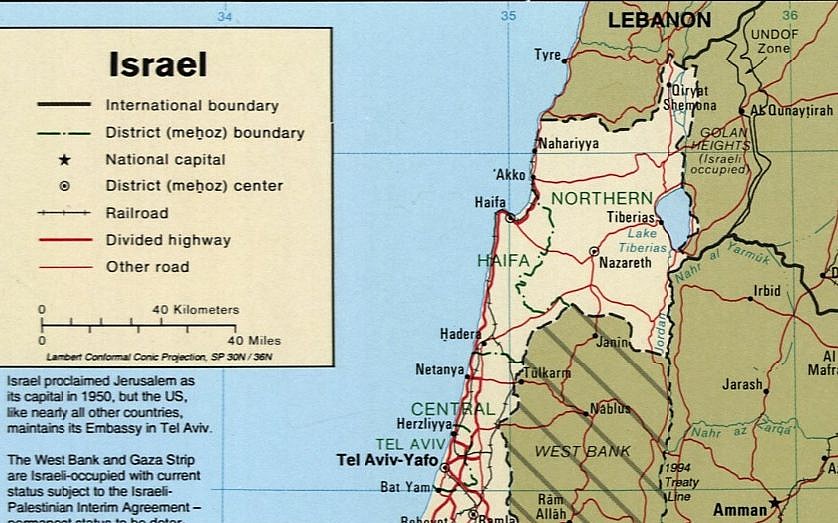
An image of the CIA’s map of Israel taken on March 28, 2019, that refers to the Golan Heights as “Israeli occupied.” (Library of Congress)
The Trump administration is preparing to update all US government maps to include the Golan Heights as part of Israel, after the president formally recognized Israeli sovereignty over the territory.
A State Department spokesperson told VOA’s Persian service that the map changes would be “consistent” with the shift in longstanding American foreign policy that now “recognizes that the Golan Heights are part of the State of Israel.”
In the emailed statement Wednesday, the spokesperson declined to answer whether the US sees the Israel-Syria border as along the 1974 ceasefire line or along the western edge of the demilitarized zone that is patrolled by a UN observer force.
In a separate interview, Brian Hook, US special representative for Iran, confirmed to VOA this week that the State Department would “redraw” its official maps and release them “as soon as they are ready.” He said the changes will reflect the “need for Israel to have secure and defensible borders.”
A screenshot of the State Department’s official map of Israel on March 28, 2019, that shows the Golan Heights as part of Syria. (screen capture: State Department)
Israel captured the strategic plateau from Syria in the 1967 Six Day War and in 1981 effectively annexed the area, in a move never recognized by the international community, which considers the Golan Heights to be occupied Syrian territory.
A 1974 ceasefire agreement that officially ended the Yom Kippur War led to the deployment of a UN peacekeeping force known as UNDOF on the Golan Heights.
US President Donald Trump signed a proclamation formally recognizing Israeli sovereignty over the Golan on Monday, drawing sharp rebuke from allies and UN member states.
At a Wednesday Security Council session convened at Syria’s request, the 14 other member nations denounced the US move, with most speakers noting a UN resolution that called Israel’s de-facto annexation “null and void and without international legal effect.”
US President Donald Trump holds up a signed proclamation recognizing Israel’s sovereignty over the Golan Heights, as Prime Minister Benjamin Netanyahu looks on in the Diplomatic Reception Room of the White House in Washington, March 25, 2019. (AP Photo/Susan Walsh)
Trump’s proclamation raised questions about the future of UNDOF after its mandate expires on June 30.
US political coordinator Rodney Hunter told the council Wednesday that UNDOF has “a vital role to play in preserving stability between Israel and Syria,” an assurance that the US recognition of Israeli sovereignty won’t affect its operation.
He said the force’s mandate to ensure that the area of separation between Syria and Israel “is a buffer zone free from any military presence or activities” is of “critical strategic and security importance” to Israel, and “can contribute to the stability of the entire Middle East.”
Hunter said the move doesn’t affect the 1974 ceasefire agreement, “nor do we believe that it undermines UNDOF’s mandate in any way.”
He strongly criticized “the daily presence of the Syrian armed forces” in the area of separation, where UNDOF is the only military force allowed, calling their presence a violation of the 1974 ceasefire agreement.
Members of the United Nations Disengagement Observer Force (UNDOF) enter Syria from the Quneitra crossing between Israel and Syria on August 30, 2014. (Flash90)
The United States calls on Russia to use its influence with President Bashar Assad “to compel the Syrian forces to uphold their commitment” to the ceasefire agreement “and immediately withdraw from the area of separation,” Hunter said.
UN peacekeeping chief Jean Pierre Lacroix told the council there is “a continued significant threat” to UNDOF personnel from explosive remnants of war, “and from the possible presence of sleeper cells of armed groups including (UN) listed terrorist groups.”
Undersecretary-General Rosemary DiCarlo expressed hope that “the recent developments will not be used as an excuse by anyone to pursue actions that could undermine the relative stability of the situation on Golan and beyond.”
If you ever thought Moses’ punishment for hitting the rock was too extreme, the ‘strange fire’ offered by Aaron’s sons explains why it was not (Shemini)
This week’s parashah follows last week’s cliff hanger: The altar and the priests who will serve it have all undergone seven days of consecration, in anticipation of the eighth day, the day of completion. Having done everything as set out earlier in God’s commands to Moshe, the community is gathered before the mishkan to see whether God will indeed reveal His Glory upon the newly-consecrated altar. This is by no means a given; just as the building of the Mishkan did not guarantee that God would “take up residence” in it, so here too, there is no guarantee that God will accept the offered sacrifice. God has free will, and the consecration of a sacred space is no guarantee that He will enter into it. We can only do our part; the outcome is out of our hands.
But this time, the miracle occurs: From within the Holy of Holies, where the glory of God has rested since the completion of the Mishkan, a fire emerges to consume the waiting sacrifice.
Aharon lifted his hands toward the people and blessed them; and he stepped down after offering the sin offering, the burnt offering, and the offering of well being. Moshe and Aharon then went inside the Tent of Meeting. When they came out, they blessed the people; and the Presence of the Eternal appeared to all the people. Fire came forth from before the Eternal and consumed the burnt offering and the fat parts on the altar, and when all the people saw, they shouted and fell on their faces. (9:22-24)
Playing with fire
But the triumph of the moment is marred by tragedy. Aharon’s sons, Nadav and Avihu were also consumed by fire that came out “from before the Eternal.” Was this the same fire that consumed the sacrifice? The Rashbam seems to think it was. More recently, Rav Tamir Granot has shown that the position of the incense altar between the Holy of Holies and the sacrificial altar makes it all the more obvious that Nadav and Avihu were caught in the crossfire:
Since God’s glory was already present in the Mishkan, we cannot say that the fire emerged from heaven, as several commentators claim. The expression “from before God” proves our contention, since this expression universally refers to the Mishkan, and specifically to the Holy of Holies. The path taken by the fire, then, was from the Holy of Holies, via the incense altar (which stood facing the curtain, on the outer side, in the center of the vestibule), via the entrance, to the sacrificial altar outside. The direction of movement is horizontal.
Thus, the path of the holy fire crossed directly over the incense alter, the very place where Nadav and Avihu were standing, having loaded up their incense burners with an “outside” fire that they had not been commanded to bring. They were in the wrong place at the wrong time. On a different day, their actions might have been correct. But not today. Not on a day when what was needed was not the man-made fire of the incense altar, but the holy fire of the Divine Presence.
The Rashbam on our parasha makes this clear:
Even before the heavenly fire had descended they [Nadav and Avihu] had already taken their censers to burn incense on the altar of gold since the incense offered in the morning precedes the offering of animal sacrifices (see Shemot 30:7); and they put in [the censers] an alien fire which Moshe had not commanded on this day. Though on other days it is written “And the sons of Aharon the priest shall put fire upon the altar” (1:7), on this day Moshe did not desire that they bring a man-made fire, since they were anticipating the descent of a heavenly fire; therefore the bringing of a different fire was not desired in order that God’s name should be sanctified.
ויקחו בני אהרן נדב ואביהוא – קודם שיצא האש מלפני ה’ כבר לקחו איש מחתתו להקטיר קטורת לפנים על מזבח הזהב, שהרי קטורת של שחר קודמת לאיברים ונתנו בהן אש זרה אשר לא צוה אותם משה ביום הזה, שאף על פי שבשאר ימים כתיב: ונתנו בני אהרן הכהן אש על המזבח – היום לא צוה ולא רצה משה שיביאו אש של הדיוט, לפי שהיו מצפים לירידת אש גבוה ולא טוב היום להביא את זה, כדי להתקדש שם שמים שידעו הכל כי אש באה מן השמים.
Nadav and Avihu made a simple mistake, but one with dire consequences. On the day that God was to appear through a heavenly fire before the whole congregation, man-made fire was undesirable, as it would negate the miracle, making it seem to be the work of human hands. Their punishment is the direct result of their actions. The fire that consumes them was the very fire that consumed the offering; they were simply in the wrong place at the wrong time.
Stealing God’s thunder
But Nadav and Avihu were not the last to make this mistake. We will read in BaMidbar (Numbers) of how Moshe fared when the nation of Israel reached a place where there was no water. There, God tells Moshe to take up his staff of office and “go fix it”:
“Take the staff and assemble the congregation, you and your brother Aaron, and speak to the rock in their presence so that it will give forth its water. You shall bring forth water for them from the rock and give the congregation and their livestock to drink.” Moshe took the staff from before the Eternal as He had commanded him. Moshe and Aaron assembled the congregation in front of the rock, and he said to them, “Now listen, you rebels, can we draw water for you from this rock?” Moshe raised his hand and struck the rock with his staff twice, and an abundance of water gushed forth, and the congregation and their livestock drank.
As on previous occasions, the people clamored for help in a crisis, and God brought about a miracle for them. And yet, this time was different.
The Eternal said to Moshe and Aaron, “Because you did not have faith in Me to sanctify Me in the eyes of the children of Israel, therefore you shall not bring this assembly to the Land which I have given them.
But what did Moshe do wrong? And why so harsh a punishment? Hadn’t he been told to take the staff along and “bring forth water from the rock” In fact, we saw in a previous incident (Sh’mot 16: 1-7) that Moshe was explicitly told to strike the rock before the elders of Israel and bring forth water from it. Why are the two incidents different? The case of Nadav and Avihu provides a hint of an answer: In the parallel story, Moshe struck the rock in front of the chosen representatives of the people. It was a private matter, for their eyes only. They could be trusted to understand that Moshe was not himself working a miracle, but that God was doing the heavy lifting.
But in the second incident, the entire assembly was watching. Had Moshe merely spoken to the rock, as he’d been told, only those closest to him would have heard him. To those standing further off, it would just look like water came out of the rock when Moshe approached it: a miracle! The people — all of them, not just the elders — would see that neither Moshe nor his staff performed any magic, and would attribute the miracle to God alone. But when Moshe lost patience and hit the rock with the staff, he taught exactly the opposite lesson. Even those farther away could see water spurt out of the rock, seemingly as a result of Moshe’s forceful actions. What Avihu and Nadav only tried to do (wittingly or unwittingly) Moshe actually accomplished — he negated a miracle.
Not by coincidence is the key word in both cases “sanctified.” Moshe himself makes this point eloquently when he explains the source of the tragedy to Aharon:
Then Moshe said to Aharon, This is what the Lord said: “I will be sanctified in those that come near to Me (bi-kerovai ekadeish), and before all the people I will be glorified (ekaveid).” And Aharon was silent. (10:3)
Knowing what Moshe’s fate is to be, we can’t but see these words as chillingly prophetic.
Rare seal impression from 8th century BCE, bearing the name Nathan-Melech, found in dig at large Iron Age administrative center in Jerusalem’s City of David
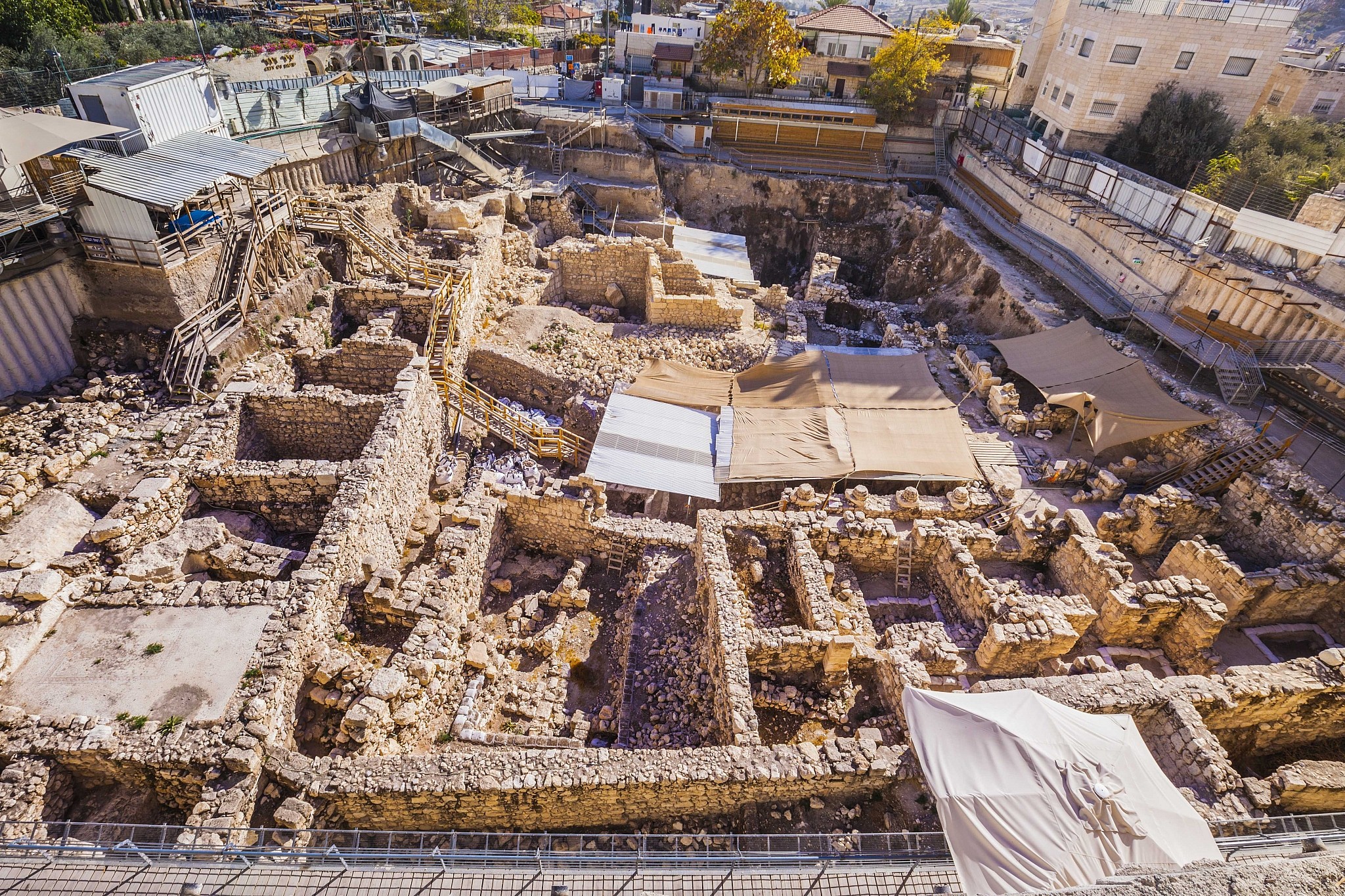
Two minuscule 2,600-year-old inscriptions recently uncovered in the City of David’s Givati Parking Lot excavation are vastly enlarging the understanding of ancient Jerusalem in the late 8th century BCE.
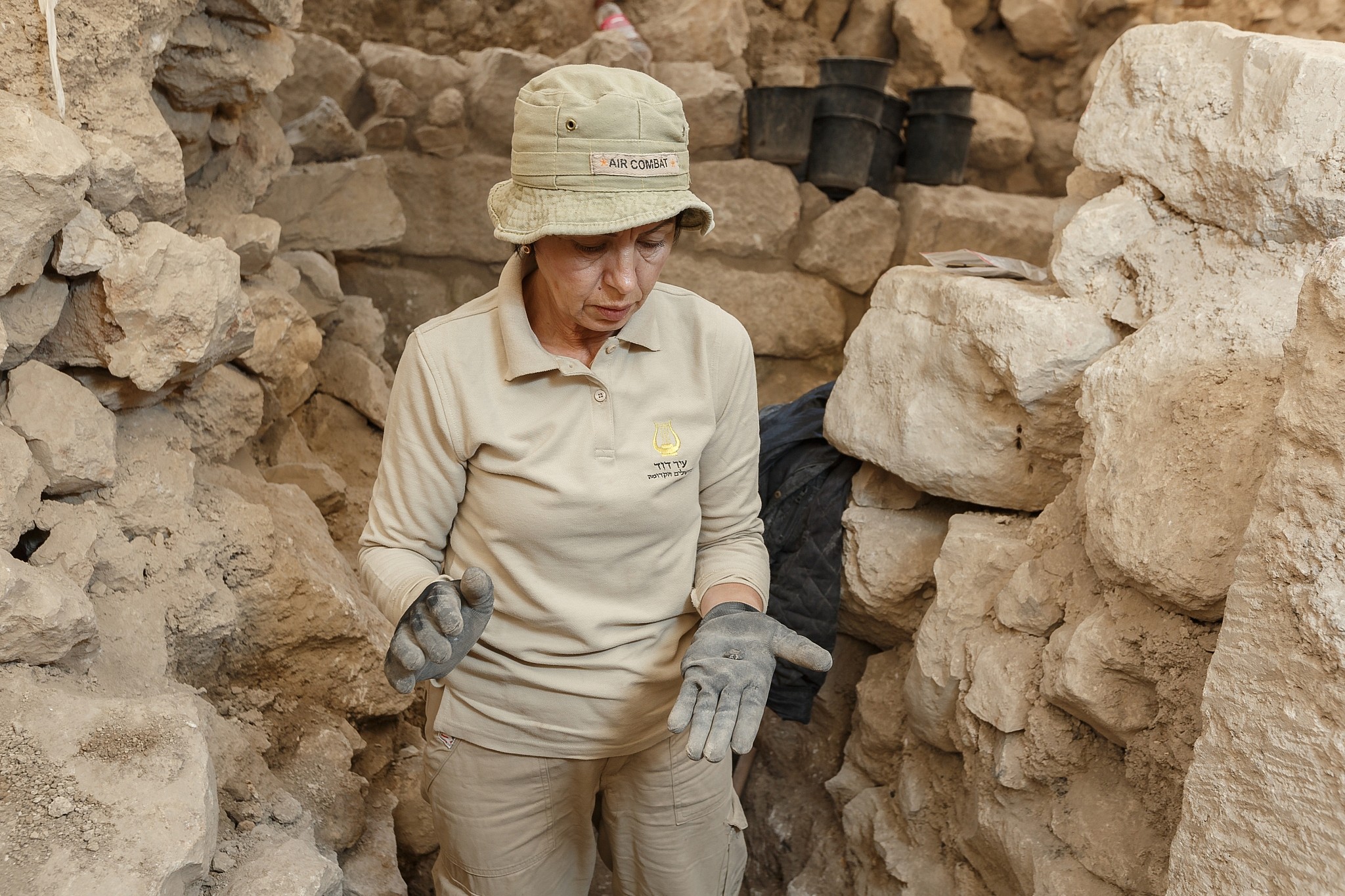
The two inscriptions, in paleo-Hebrew writing, were found separately in a large First Temple structure within the span of a few weeks by long-term team members Ayyala Rodan and Sveta Pnik.
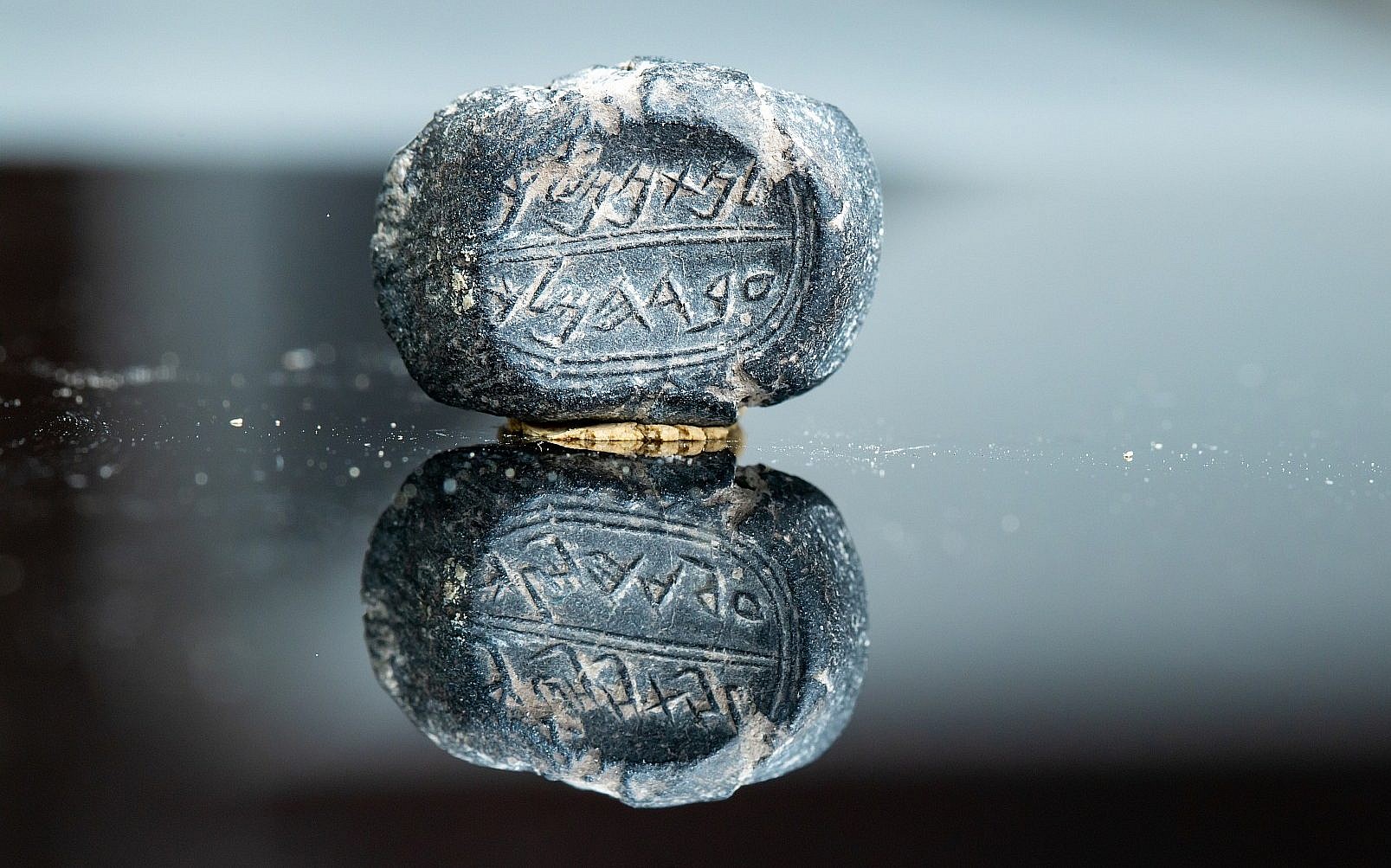
One is a bluish agate stone seal “(belonging) to Ikkar son of Matanyahu” (LeIkkar Ben Matanyahu). The other is a clay seal impression, “(belonging) to Nathan-Melech, Servant of the King” (LeNathan-Melech Eved HaMelech). Nathan-Melech is named in 2 Kings as an official in the court of King Josiah.
This burnt clay impression is the first archaeological evidence of the biblical name Nathan-Melech.
The inscriptions are “not just another discovery,” said archaeologist Dr. Yiftah Shalev of the Israel Antiquities Authority. Rather, they “paint a much larger picture of the era in Jerusalem.”
According to Shalev, while both discoveries are of immense scholarly value as inscriptions, their primary value is their archaeological context.
The ‘Natan-Melech/Eved Hamelech’ bulla found in the City of David. (Eliyahu Yanai, City of David)
“What is importance is not just that they were found in Jerusalem, but [that they were found] inside their true archaeological context,” Shalev told The Times of Israel. Many other seals and seal impressions have been sold on the antiquities market without any thought to provenance.
This in situ find, said Shalev, serves to “connect between the artifact and the actual physical era it was found in” — a large, two-story First Temple structure that dig archaeologists have pegged as an administrative center.
“It is not a coincidence that the seal and the seal impression are found here,” said Shalev.
It is not a coincidence that the seal and the seal impression are found here
The multi-room large structure bears clear signs of destruction in the sixth century BCE, which likely corresponds to the Babylonian destruction of Jerusalem in 586 BCE, according to the IAA press release. The destruction is evident through large stone debris, burnt wooden beams and numerous charred pottery shards, “all indications that they had survived an immense fire.”
The large administrative center, said Shalev, is further down the slope of the City of David than where some archaeologists had envisioned a First Temple-period city wall. Through this evidence of a large administrative center, scholars are beginning to understand that Iron Age Jerusalem saw the beginning of the western spread that continued in the future historical eras, including the Persian and Hellenistic periods.
The ‘Ikkar Ben Matanyahu’ seal found in the City of David. (Eliyahu Yanai, City of David)
“These artifacts attest to the highly developed system of administration in the Kingdom of Judah and add considerable information to our understanding of the economic status of Jerusalem and its administrative system during the First Temple period, as well as personal information about the king’s closest officials and administrators who lived and worked in the city,” said Gadot and Shalev in the IAA press release.
For linguists, the pair of one-centimeter inscriptions are likewise opening new scholarly horizons. Based on the script, Dr. Anat Mendel-Geberovich of the Hebrew University of Jerusalem and the Center for the Study of Ancient Jerusalem dates them to mid-7th century to early 6th century BCE.
On the blue stone seal, written in mirror writing from left to right, is inscribed the name “(belonging) to Ikkar son of Matanyahu” (LeIkkar Ben Matanyahu). Private stamps were used to sign documents, and denoted the identity, lineage and status of their owners, according to the IAA.
Sveta Pnik working at the site where the bulla was found in the City of David. (Eliyahu Yanai, City of David)
The word “Ikkar,” meaning farmer, appears in the Bible and other Semitic languages, according to the Hebrew Language Academy. However, it is only used in the context of the agricultural role, not as a personal name. According to the linguist Chaim Rabin, the word Ikkar came to Hebrew through Akkadian, after being adopted from Sumerian, which is not a Semitic language.
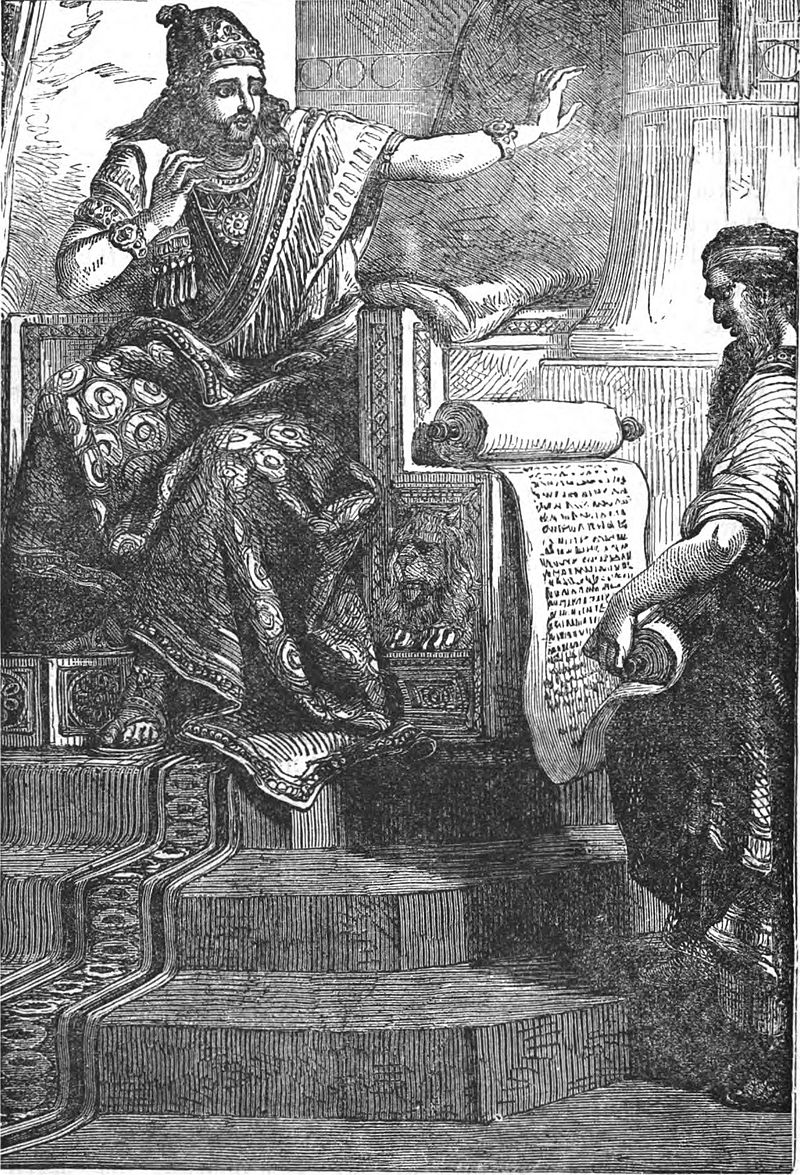
King Josiah hearing the book of the law (1873 / Unknown artist / The story of the Bible from Genesis to Revelation / Wikipedia)
Mendel-Geberovich believes “Ikkar” refers to a personal name rather than an occupation. If so, this would be the first evidence of such a name. The other portions of the inscription are more familiar to biblical Hebrew linguists: “The name Matanyahu appears both in the Bible and on additional stamps and bullae already unearthed,” said Mendel-Geberovich.
What is most likely to capture popular interest is the burnt clay seal impression, which features the words: “(belonging) to Nathan-Melech, Servant of the King” (LeNathan-Melech Eved HaMelech).” The fact that it was written without a surname indicates his fame is on par with celebs of today, such as singers Madonna or Adele.
The name Nathan-Melech appears once in the Bible, in the second book of Kings 23:11. An official in the court of King Josiah, the biblical Nathan-Melech took part in implementation of widespread religious reform: “And he took away the horses that the kings of Judah had given to the sun, at the entrance of the house of the Lord, by the chamber of Nathan-Melech the officer, which was in the precincts; and he burned the chariots of the sun with fire.”
Givati Parking Lot Excavations in the City of David. (Kobi Harati)
While the biblical account uses a different title than that impressed on the ancient clay, the title “Servant of the King” (Eved HaMelech) does often appear in the Bible to describe a high-ranking official close to the king. According to the IAA, the title appears on other stamps and seal impressions that were found in the past. In ancient times, seal impressions, or bullae, were small pieces of clay impressed by personal seals (such as the “Ikkar” seal) to sign letters.
But is this the very same biblical Nathan-Melech? That’s still a matter of interpretation.
Doron Spielman, vice president of the City of David Foundation, which operates the City of David National Park, said, “This is an extremely exciting find for billions of people worldwide. The personal seal of Natan-Melech, a senior official in the government of Josiah, King of Judah, as described in the second book of Kings. The ongoing archaeological excavations at the City of David continue to prove that ancient Jerusalem is no longer just a matter of faith, but also a matter of fact.”
However, scholar Mendel-Geberovich isn’t as quick to confirm the tie.
“Although it is not possible to determine with complete certainty that the Nathan-Melech who is mentioned in the Bible was in fact the owner of the stamp, it is impossible to ignore some of the details that link them together,” said Mendel-Geberovich diplomatically.
Givati Parking Lot Excavations in the City of David. (Yonit Schiller, City of David)











 Centro Estudios Judaicos del Sur de PR