RSS

Monthly Archives: January 2021

Autopsias y ley judía: una perspectiva ortodoxa

por Rabbi Abner Weiss

Contrario a la creencia popular, la ley judía no tiene una prohibición absoluta sobre este procedimiento posterior a la muerte.

Este artículo ofrece una visión ortodoxa acerca de la autopsia. Las autoridades conservadoras siguen un razonamiento similar, rechazando las autopsias como práctica rutinaria, pero algunas las permiten en situaciones individuales donde se puede obtener conocimiento de valor. El movimiento reformista tiene dos responsa del siglo XX sobre este tema: la primera (en 1925) adopta la posición donde interpretar la autopsia como la profanación de un cadáver no tiene base en las fuentes judías clásicas, e incluso se habla de que si la autopsia pudiera contribuir a salvar vidas, ese conocimiento justifica su realización. La segunda (en 1981) sostiene que la adquisición de conocimientos que puedan ayudar a otros en los años venideros es una justificación suficiente.

Respeto por los muertos, manteniendo el cuerpo intacto

La creencia judía sobre la inviolabilidad del cuerpo humano se refleja en su actitud hacia los exámenes post mortem. El Talmud (Sanedrín 47a) afirma que el imperativo bíblico de un entierro rápido (Deuteronomio 21: 22-23) se basa en la prohibición de deshonrar un cadáver. El alcance de esta prohibición se extiende más allá del entierro diferido. La Escritura prohíbe infligir cualquier forma de desgracia sobre un cadáver. En general, esto incluye la desfiguración del cuerpo como resultado de la disección post mortem (autopsia).

Aparte de la prohibición general de las autopsias, la cual se deriva de nuestro repudio a la desfiguración corporal, existe una prohibición especial de no enterrar el cuerpo en su totalidad. Si, después de la autopsia, por ejemplo, se extirpa parte del cuerpo y no se entierra, [según una fuente] es como si no hubiera habido ningún entierro (Talmud de Jerusalén, Nazir 7: 1).

Excepción para procedimientos que salvan vidas

Sin embargo, la prohibición de realizar autopsias no es absoluta. Se hace una excepción si la autopsia puede contribuir directamente a salvar la vida de otro paciente que actualmente está esperando tratamiento. Debido a la velocidad de las comunicaciones contemporáneas, una persona que sufre en otras partes del mundo puede recibir ayuda casi de inmediato. Además, si se sospecha la presencia de una enfermedad contagiosa, no diagnosticada antes de la muerte, una autopsia puede conducir a la prevención de una plaga. Si se usaron nuevos medicamentos en el paciente, una autopsia puede ayudar a determinar su efectividad para salvar vidas. Huelga decir que si una enfermedad hereditaria es la causa de sospecha de muerte, una autopsia puede prevenir la muerte de los hijos del paciente, estableciendo una estrategia médica preventiva para ellos/as.

Obviamente, si las biopsias realizadas con aguja post mortem o las muestras de sangre o la peritoneoscopia, fueran suficientes, no se deberían realizar autopsias.

Sin embargo, cuando es necesaria una autopsia, el permiso para llevar a cabo este procedimiento debe otorgarse solo si la operación se reduce al mínimo, se realiza lo antes posible, y en presencia de un rabino o un observador, un médico experto en las leyes judías, y realizado con reverencia. Debe haber absoluta seguridad de que todas las partes del cuerpo se conservarán para el entierro.

Sin embargo, debido al aumento en la frecuencia de las autopsias, existe el peligro de que se conviertan en mera rutina; y debido a que estudios recientes (particularmente el Journal of the American Medical Association, vol. 233, 1975, págs. 441-443) han demostrado el valor médico cuestionable de la realización rutinaria de disecciones post mortem, se debe negar el permiso a menos que un médico que sea sensible a la halajá [ley judía] aconseje su ejecución en base a los términos de criterios para salvar vidas que se han enumerado anteriormente.

Extraído con permiso de Death and Bereavement: A Halakhic Perspective (Ktav).

Según tomado de, Autopsies and Jewish Law: An Orthodox Perspective | My Jewish Learning

Traducido por drigs (CEJSPR)

 
Leave a comment

Posted by on January 5, 2021 in Uncategorized


Autopsies and Jewish Law: An Orthodox Perspective

Contrary to popular belief, Jewish law does not have an absolute prohibition on this post-death procedure.

BY RABBI ABNER WEISS

This article provides an Orthodox view on autopsy. Conservative authorities follow similar reasoning, rejecting routine autopsies, but some permit them in individual situations where constructive knowledge may be gained. The Reform movement has two 20th-century responsa on this subject: The first (in 1925) takes the position that construing autopsy as desecration of a corpse has no basis in classical Jewish sources, and that even the chance of contributing to life-saving medical knowledge justifies performing one. The second (in 1981) argues that even gaining knowledge that may help others in years ahead is sufficient justification.

Respect for the Dead, Keeping the Body Intact

The Jewish belief in the inviolability of the human body is reflect­ed in its attitude to postmortem examinations. The Talmud (San­hedrin 47a) asserts that the biblical imperative of speedy burial (Deuteronomy 21:22-23) is based upon the prohibition of disgrac­ing a corpse. The scope of this prohibition extends beyond delayed burial. Scripture proscribes the inflicting of any form of disgrace upon a corpse. In general, this includes the disfigurement of the body as a result of postmortem dissection (autopsy).

Apart from the general prohibition against autopsies, which derives from our abhorrence of bodily disfigurement, there is a special prohibition against failure to bury the body in its entiretyIf, after autopsy, for example, part of the body is excised and not buried, [according to one source] it is as if no burial at all took place (Jerusalem Talmud, Nazir 7:1).

Exception for Life-Saving Procedures

The prohibition against the performance of autopsies, however, is not absolute. An exception is made if the autopsy may directly contribute to saving the life of another patient who is currently awaiting treatment. Owing to the speed of contemporary communications, a sufferer elsewhere in the world may be aided almost immediately. Moreover, if the presence of a contagious disease, not diagnosed before death, is suspected, an autopsy may lead to the prevention of a plague. If new medicines were used on the patient, an autopsy can help to determine their life-saving effectiveness. It goes without saying that if a hereditary disease is the suspected cause of death, an autopsy may prevent the deaths of the patient’s children, by establishing a preventative medical strategy for them.

Obviously, if postmortem needle biopsies or blood samples or peritoneoscopy would suffice, autopsies should not be performed at all.

However, when an autopsy is necessary, permission to undertake this procedure should be given only if the operation is reduced to a minimum, performed as soon as possible–and in the presence of a rabbi or observant and halakhically (having to do with Jewish law) knowledgeable physician — and undertaken with reverence. There must be absolute assurance that all parts of the body will be retained for burial.

Because, however, the frequency of autopsies has increased, the danger exists of their becoming mere routine; and because recent studies (particularly the Journal of the American Medical Associa­tion, vol.233, 1975, pp. 441-443) have shown the questionable medical value of routine performance of postmortem dissections, permission should be withheld unless a physician who is sensitive to the halakhah [Jewish law] advises its performance in terms of the criteria for saving life which have been listed above.

The Man Who Buried His Own Leg – YouTub

As taken from, Autopsies and Jewish Law: An Orthodox Perspective | My Jewish Learning

 
Leave a comment

Posted by on January 5, 2021 in Uncategorized


How to Talk to God

The Hasidic prayer practice of hitbodedut — talking to God freely in one’s native tongue — helps to build intimacy over time.

BY RABBI DAVID JAFFE

“Pour out your heart like water before God…” – Lamentations 2:19

When I was younger, I used to go out to the woods alone and talk to God. Only years later did I learn that I was engaging in a Hasidic prayer practice called hitbodedut.

Hitbodedut literally means “seclusion” and in rabbinic literature refers to meditation. However, it is most closely associated with a practice of the great Hasidic master Rabbi Nachman of Breslov (1772-1810). Rabbi Nachman urged his followers to set aside time every day to talk openly with God in one’s native language.

I like to think of hitbodedut as date night with God. Date night is a time when my partner and I go out and just focus on each other. It’s a time for us to connect. Rabbi Nachman encouraged this practice daily as a way of building a close relationship with God. Speaking openly and honestly with God every day builds closeness.

Here is the practice described in Rabbi Nachman’s own words:

Hitbodedut is the highest path of all. One must therefore set aside an hour or more each day to talk with God by themselves in a room or in a field.

Hitbodedut consists of conversation with God. One can pour out their words before their Creator. This can include complaints, excuses, or words seeking grace, acceptance and reconciliation. One must beg and plead that God bring them close and allow them to serve God in truth.

One’s conversation with God should be in the everyday language that they normally use. Hebrew may be the preferred language for prayer, but it is difficult for a person to express themselves in Hebrew. Furthermore, if one is not accustomed to speaking Hebrew, their heart is not drawn after the words.

However, in the language that a person normally speaks, it is very easy to express oneself. The heart is closer to such a language, and follows it, since the person is more accustomed to it. Therefore, when one uses their native language, they can express everything that is in their heart and tell it to God.

One’s conversation with God can consist of regret and repentance. It can consist of prayers and pleading to be worthy of approaching God and coming close to God in truth from this day on. Each one should speak to God according to their own level.

One must be very careful to accustom themselves to spend at least one hour a day in such meditation. During the rest of the day, one will then be in a state of joy and ecstasy.

No matter what one feels they are lacking in their relationship to God, they can converse with God and ask for help. This is true even if one is completely removed from any relationship with God.

I like to do my hitbodedut at the same time every day, usually at night, and outside if possible. For Rabbi Nachman, hitbodedut in nature was the ideal, however any private space will do, even a room where you can close the door. In urban Breslov communities in Jerusalem and New York, there are hitbodedut booths built on the roofs of buildings. The main thing about the space is that you will not be interrupted.

I also set a time for the practice. Rabbi Nachman recommended an hour, but I find that even a few minutes will do.

I like to start my hitbodedut by ritually washing my hands and thanking God for this opportunity to talk. Then I talk to God about anything I want — my hopes and desires, or requests for help with big issues or the mundane tasks of daily life. Sometimes I focus on my relationship with God or my efforts at self-improvement. And sometimes I focus on the state of the world. Nothing is too big or too small for hitbodedut.

It may feel awkward to speak out loud when no one is physically there and no one verbally answers back. That’s okay. I’ve found that it is through the talking process that I come to great clarity and, at times, profound inspiration. Maybe that is God’s response. The key is to keep talking out loud and not drift off into thinking silently in your head. There is something about the talking process that clarifies and imprints on the soul.

Sometimes I get bored during a hitbodedut session and check my watch to see how much time is left. That’s also okay. Just like in meditation, where we constantly come back to the breath, in hitbodedut we come back to the conversation. The goal is to speak with God like one speaks with a good friend.

Hitbodedut even works for people who don’t believe in God or who are unsure if God exists. I’ve practiced hitbodedut over the past decade with dedicated agnostics and atheists who direct their words to a “higher power” or “ideal support.” As Rabbi Nachman says, even someone completely removed from any relationship with God can ask for help.

When the time is up, I like to have a ritual for closing the conversation. I thank God again for listening. And since I most often do my hitbodedut outside, I will take a moment to look at the dark night sky and appreciate its beauty. If particularly useful insights came out of the session, I will take a few minutes to write them in my journal.

Just as talking honestly and vulnerably with a friend creates intimacy over time, so I’ve found that hitbodedut can make an abstract and invisible God feel closer to my heart.

As taken from, How to Talk to God | My Jewish Learning

 
Leave a comment

Posted by on January 5, 2021 in Uncategorized


Eliezer Ben-Yehuda: Father of Modern-Day Hebrew

by Adina Hershberg

Eliezer Ben-Yehuda: Father of Modern-Day Hebrew

In celebration of Hebrew Language Day, meet the father of modern Hebrew.


It is astonishing that the Jewish nation, which has undergone various exiles and has suffered immensely at the hand of its many enemies, not only survives but thrives. Equally astounding is the revival of the Hebrew language – an extraordinary story unparalleled in history.

More than 3,000 years ago, when the people of Israel arrived with Joshua to the Holy Land, Hebrew was established as the national language. Hebrew remained in common usage until around 400 C.E., when, under the weight of dispersion after the destruction of the Second Temple, Hebrew fell out of common usage. Biblical Hebrew survived through the exiles due to its role as the language of liturgy and religious texts. Throughout history there has always been Jews fluent in Hebrew. Meanwhile, written Hebrew continued to evolve; it was the language of poetry and correspondence between scholars.

This Tuesday is Hebrew Language Day, which marks the birth of Eliezer Ben-Yehuda, who was the driving force behind the revival of Hebrew and its transformation into its modern form. Ben-Yehuda was born Eliezer Perelman in Luzhky, Lithuania in 1858. The son of a Chabad Hasid, he was given a traditional religious education at a local yeshiva. He excelled in his studies and was sent to a Talmudic Academy in the hope that he would become a rabbi. However, like many promising young Jews of the time in eastern Europe he became interested in the secular world and entered a Russian gymnasium. He remained obsessed with modern Hebrew literature and eagerly consumed Hebrew periodicals, especially those concerned with Jewish nationalism. Nationalism became his way of embracing Hebrew without religion.

Ben-Yehuda was captivated by the ideas of Zionism. He believed that the revival of Hebrew in the Land of Israel would unite all Jews worldwide. Ben-Yehuda regarded Hebrew and Zionism as one and the same. He wrote, “The Hebrew language can live only if we revive the nation and return it to the fatherland.”

Acting on these ideas, he determined that he should go to Palestine. He left Russia in 1878, first going to Paris to study medicine so as to help the Jewish community in Palestine. But due to tuberculosis, he was unable to continue his studies. In 1881 he and his wife, Deborah Jonas, arrived in Jerusalem with his revival plans for the Hebrew language. His main plan of action was three-fold and can be summarized as “Hebrew in the Home,” “Hebrew in the School,” and “Words, Words, Words.”

He changed his family name to Ben-Yehuda and he and his wife created the first modern Hebrew-speaking household. Their son, Ben Tzion (son of Zion) was born in 1882. Having a child in the house accentuated the need to find appropriate Hebrew words for everyday life. New words were coined by Ben-Yehuda for objects such as doll, ice cream, towel, bicycle, and hundreds more. They had four more children.

Ben-Yehuda introduced Hebrew as the language of instruction and study in schools. He gained the support of educators who were enthusiastic Jewish nationalists. Teaching Hebrew in schools was a very practical solution to the problem of immigrants from different countries who spoke a variety of languages.

He also wanted to attract adults to his ideas. Through his newspaper HaTzvi, he taught adults both via its content and its language. Jews being avid readers, his newspaper did much to spread his ideas and his linguistic coinages in Palestine and abroad.

Not everyone was a fan of Ben-Yehuda. Many saw his work as blasphemous because Hebrew was the holy language of the Torahand some thought that it should not be used to discuss everyday mundane matters. He and his wife wore religious garb in attempts to attract religious Jews to his nationalist cause, but the religious Jews saw through the guise and went so far as to excommunicate Ben-Yehuda.

Eliezer, his wife Hemda, and David Judelovitch, a former student of Eliezer who became one of the leading educators bringing Hebrew to the schools of the settlements.

Tragedy struck the family in 1891 when his wife died of tuberculosis. In the winter of 1892, a diphtheria epidemic claimed the lives of their three youngest children. Ben-Yehuda married his late wife’s sister Hemda.

He became a lexicographer, culminating in his 17-volume A Complete Dictionary of Ancient and Modern Hebrew. It was completed by Hemda and his son after Ben-Yehuda’s death. He fashioned over 300 new Hebrew words out of the ancient Hebrew structures. Since then, modern Hebrew has a lexicon of more than 75,000 words. These include over 2,400 deliberately designed Hebrew alternatives for foreign words and recent words and recent terms which the ancient language never contained.

What finally brought about the revival of Hebrew were developments in the communities of the First Aliya (1881-1903) and the Second Aliya (1904-1914). The first Hebrew schools were established in these communities. Hebrew became a spoken language of daily affairs and finally became a systematic and national language.

In 1922, the British Mandate of Palestine recognized Hebrew as one of the country’s three official languages (English, Arabic and Hebrew), and its new formal status contributed to its diffusion. One month later, at the age of 64, Ben-Yehuda passed away from tuberculosis.

British historian, Cecil Roth, stated, “Before Ben-Yehuda, Jews could speak Hebrew, after him, they did.”

As taken from, Eliezer Ben-Yehuda: Father of Modern-Day Hebrew (aish.com)

 
1 Comment

Posted by on January 4, 2021 in Uncategorized


It’s OK Not to Have Aspirations

by Aharon Loschak

“A million dreams are keeping me awake…”

Those were the lyrics I heard drifting from a speaker the other day—an aspirational song about someone literally being kept away by their dreams.

It got me thinking. (Such lofty, whimsical rhetoric can do that to you sometimes!) What are my dreams? Which of my goals are so ambitious, so pressing, so mind-blowing, that they literally keep me awake at night?

None. At least not at that moment.

Yes, it was kind of depressing. Am I really so boring that I possess no starry-eyed visions to share with the world?

I don’t know.

Today’s climate does seem to push this sort of expectation. “Chase your dreams!” “Realize your truth!” and other such grandiose calls for thinking big are commonplace. It seems as if it’s no longer acceptable to be simple, plain, or ordinary. If you’re not the next big thing, it would seem, you’re a failure.

Think big or go home. The iPhone wasn’t made by thinking small, so why suffice for anything less?

Is that true?

Moses Demurs

It’s one of the more perplexing conversations in the Torah

Running after a stray sheep, Moses encounters a marvelous sight: a bush that burns yet is not consumed. G‑d calls out to him from the bush, and the lonely shepherd in the Midianite pasture is tasked with a mission as large as history itself. He is to tell the Jews that their day of salvation has arrived and thereafter confront Pharaoh, the supreme leader of the civilized world, and demand that he free the Jews.1

Here’s where things get awkward.

“Who am I to go tell the Jews that? They won’t believe me?!” Moses cries.

“I’ll be with you,” G‑d replies.

“But I’m not a man of words, I have a speech impediment! Send someone else, please!” Moses presses on.

G‑d gets angry. “And who do you think grants people the power of words? It is I, G‑d! Go, and I’ll be with you! Besides, your brother Aaron will accompany you and help you, so it’ll work out.”2

And so, off goes Moses, and as they say, the rest is history.

Now, this is a strange conversation at best. One can’t help but wonder, what was Moses thinking? Did he really think that a speech impediment would get in the way if G‑d Himself was directly tasking him with the job? If G‑d would appear to you in a burning bush, would your subpar grammar or your lack of articulation hold you back? Of course not!

So what was Moses thinking?

From a Different World

Kabbalah3 explains that Moses possessed a unique soul that stemmed from a world entirely unlike our own. The name of this world is Tohu, generally translated as “chaos.” It’s a world where the G‑dly energy is so intense and singularly brilliant it cannot be contained or tempered. In that world, there is what the Kabbalistic masters call “an abundance of light and a dearth of containers.”

A simple example of this phenomenon is the brilliant professor who couldn’t button his shirt straight. Or the genius scientist who couldn’t be bothered to spell things properly. These are incredible minds where the “light” of their intellect shines so intensely, it is hard to contain in simple boxes like symmetrical garment buttons or proper spelling.

By contrast, the soul of the average person who isn’t Moses stems from a world called Tikun, generally translated as “discipline.” This is a world where the energy is not as intense and the light not as bright, for it is tempered and disciplined by the protocols of its containers. For example, it is representative of the more ordinary person who somehow manages to button her shirt straight, for though she is indeed intelligent and her mind is filled with great ideas, it is contained enough so as not to hamper her chances at championing the button challenge.

It is a world the Kabbalists describe as one with “an abundance of containers and a dearth of light.”

While Tohu is an intense and lofty world, the world of Tikun is a more practical one, for it is only when intense energy is tempered and balanced that real results happen. So long as the energy is too intense to be contained, well, then, it’s simply a powerful force running amok, with no concrete outcome or accomplishments to show for itself.

Our world is the world of Tikun, and G‑d favors Tikun over Tohu. For although Tohu is a great place to be, there’s little to show for it. The practical results are to be found in Tikun—and results are everything. The Kabbalists called it, “The end is rooted in the beginning.”

There Are No Words

Kabbalah teaches us that only two souls descended from Tohu to this world, and for very specific reasons—to literally save the world. One was Enoch, who “walked with G‑d,”4 and without whom the entire world, including Noah, would have perished in the flood. The other soul was Moses, dispatched to this terrestrial landscape to free the Jewish people and usher them to the foot of Mount Sinai to receive the Torah.

Precisely because Moses possessed a soul so lofty and intense, his speech was impaired. As an ambassador of Tohu, the energy of his soul was so great, so impossibly bright, it could not be contained in fluid, articulate speech. As one from a world with an “abundance of light and a dearth of containers,” Moses’ capacity of speech was just another “container” which, relative to the light of his soul, was in the “dearth” column.

Moses was well aware of the limits his own greatness presented. He was aware that as one stemming from such an intense world of energy and light, practical results were harder to come by. Moses knew that although the average soul is from a far more banal place and shines with far less intensity, the proof is in the pudding—they get the job done.

And that’s why he told G‑d, “My speech is impaired; send someone else.” In other words, “My soul is trapped in its own intensity, thus I am not an appropriate candidate to get the job done. Send someone else, a ‘regular’ Tikun-type soul that is more action-oriented, so that whatever needs to be carried through will indeed cross the finish line!”

It was Moses’ remarkable humility and self-awareness that compelled him to resist G‑d’s request and point to other, more suitable candidates to fill his shoes.

It’s All about Results

Ultimately, G‑d’s response that Moses should indeed go ahead, explains that after all is said and done, G‑d has the power to make a Tohu-like soul do Tikun-like things.

But there’s much to be learned from Moses’ initial approach.

As much as Moses recognized how lofty and aspirational his soul was, he felt that the one to put the Exodus in motion and write the course of history should be someone more ordinary and action-oriented.

That’s quite some realization!

There are people with high-level positions making decisions that impact entire countries. Executives wave corporate wands with decisions that make the difference of millions of dollars. Entrepreneurs innovate things that change lives. Nonprofits take on projects that save entire communities.

That there are people with such big dreams and such large impact is great. But without the “ordinary” people who carry out those grandiose plans, they would amount to nothing. The big policy decisions and the groundbreaking innovations would get stuck in the fancy meeting rooms in which they were concocted or signed, yet another burst of energy that may have been lofty and intense, but with nary a container to carry it through.

When lots of regular people do simple, ordinary things—that is when change happens.

And that is why, if you’re feeling less-than because you haven’t a dream—let alone a million of them—keeping you awake at night, you really shouldn’t be bothered. Aspirations are great, and you probably really do have them anyway, but perhaps more important than dreaming big is actually doing, even if it’s small. Don’t feel any less worthy because you’re not the next big thing, because in reality you are—by dint of the practical things you do every day.

Results. They’re the true magic.

FOOTNOTES
1.Exodus, ch. 3.
2.Exodus 4:1-16.
3.Torah Ohr, Shemot 51d-52c.
4.Genesis 5:24.
As taken from, COMMENT: It’s OK Not to Have Aspirations (chabad.org)
 
Leave a comment

Posted by on January 3, 2021 in Uncategorized


“Optimismo trágico”, la herramienta psicológica creada por un superviviente de los campos de concentración

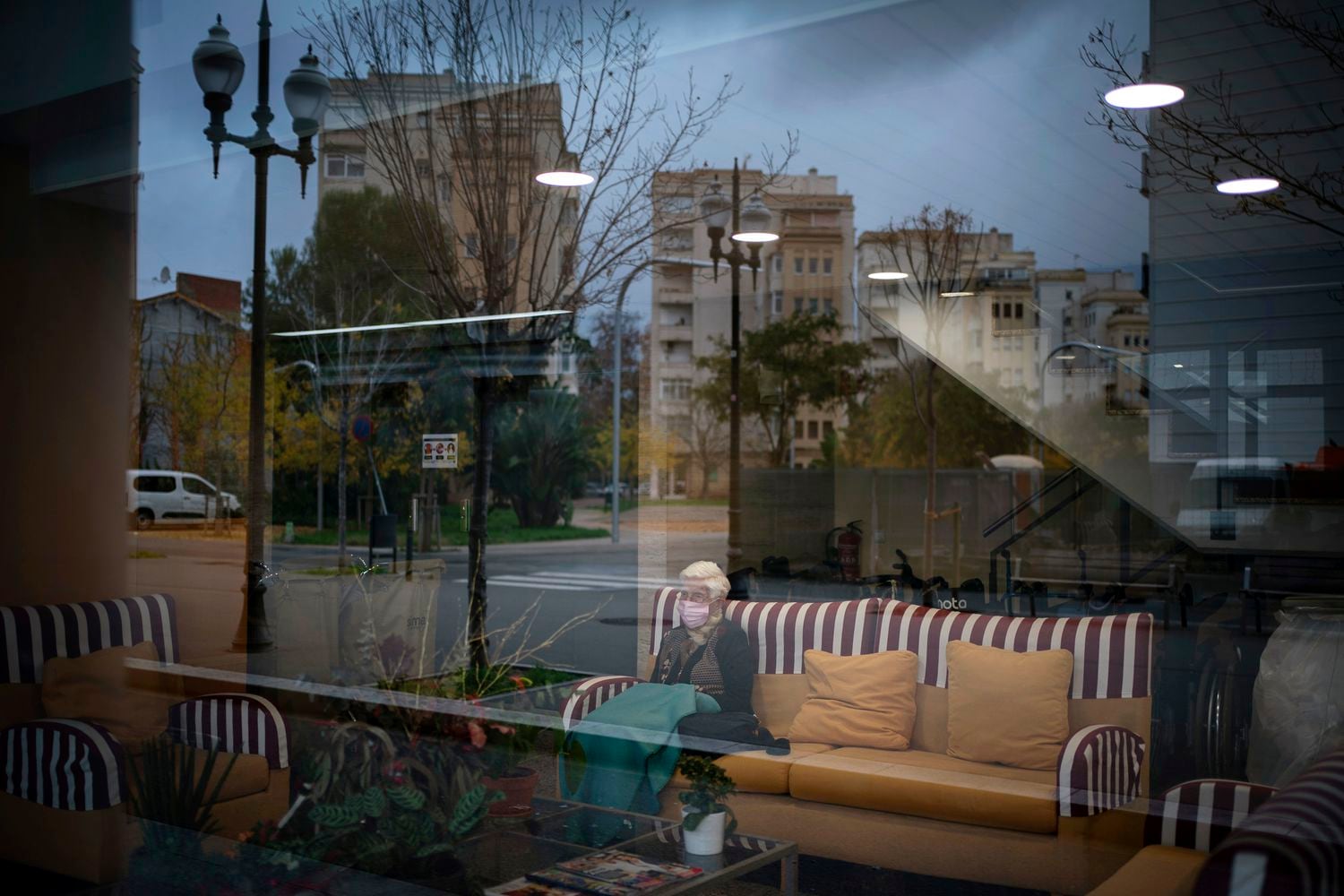
Una mujer mira por la ventana en una residencia en Barcelona el pasado 18 de diciembre.

por ALEXANDER BATTHYÁNY

Este término, acuñado por el psiquiatra Viktor Frankl, se refiere a la capacidad de elegir nuestra reacción a acontecimientos negativos. Su discípulo, el filósofo Alexander Batthyány, lo explica

Hace poco me entrevistaron para un destacado periódico de Austria. El periodista esperaba claramente que yo, en mi calidad de director del Instituto Viktor Frankl de Viena y titular de la Cátedra Viktor Frankl en Liechtenstein y Budapest, transmitiera un mensaje positivo; es más, comprendí que lo único que deseaba en realidad era la confirmación de que el “pensamiento positivo” era lo más necesario y lo que iba a solucionar todo. Me pidió consejo para lidiar con la crisis de la covid-19 y sus repercusiones en nuestras vidas personales, sociales y económicas: “¿Cómo mantenemos una mentalidad y un pensamiento positivos?”. Se sorprendió cuando le dije que, en una situación así —y en la vida en general—, creo (y las investigaciones lo corroboran) que hay algo mucho más útil y maduro que el pensamiento positivo: el pensamiento realista. “¿Pero eso no es lo mismo que ser negativos y resignarse en la situación actual?”, insistió. Buena pregunta. La respuesta es sí y no. Y un “no” en el que podemos depositar nuestras esperanzas.

Viktor Frankl, el famoso psiquiatra vienés que sobrevivió a cuatro campos de concentración y después fundó la psicoterapia centrada en la voluntad de sentido (denominada logoterapia y análisis existencial), acuñó un término muy interesante: optimismo trágico. Que, en definitiva, quiere decir lo mismo que el “sí y no” que he mencionado. Numerosas investigaciones psicológicas demuestran que se trata de un concepto muy útil, sobre todo en épocas difíciles, porque nos permite ver con claridad y aceptar lo malo, pero también ser conscientes de que podemos decidir cómo reaccionar ante cualquier cosa que ocurra, sea lo que sea. Veamos cómo traducir esas investigaciones en nuestra vida cotidiana actual.

La primera conclusión es que podemos decidir con ciertas condiciones. Es evidente que el coronavirus nos enfrenta a una crisis inmensa que no va a desaparecer con pensamientos positivos. Seamos realistas y reconozcámoslo. Pero una evaluación realista no se detiene ahí. También busca las cosas que podemos cambiar. Examina nuestra libertad para decidir cómo reaccionar ante una situación. ¿Hasta qué punto depende de nosotros? ¿Cómo decidimos afrontar la crisis?

Un día, todo lo que está sucediendo será historia, tanto colectiva como individual. ¿Qué pensaremos entonces de esta historia y qué dirán las generaciones futuras no solo sobre la pandemia, sino sobre nuestro comportamiento? ¿Seremos un modelo para esas generaciones? Eso es lo que podemos y debemos decidir hoy, ahora, todos y cada uno de nosotros, como colectivo y como individuos. Cuando eche la vista atrás, ¿podré reconocer con gratitud que sí, fue un periodo difícil, pero al menos lo utilicé de la mejor forma posible? ¿O podré decir que he convertido mi hogar —sea grande o pequeño— en un lugar cálido y acogedor para todos los que viven en él o lo visitan, nuestro nicho personal en este mundo inmenso? ¿Que ayudé a mis familiares y vecinos de más edad? ¿Que aproveché este periodo de aislamiento involuntario para ordenar mis papeles u otras áreas necesitadas de atención? ¿O para pasar un tiempo precioso con mi familia, llamar o escribir a amigos y parientes que están solos, quizá incluso para aprender un idioma o una nueva aptitud? ¿O tendré que reconocer que no me interesé por nada y desperdicié esta pausa inesperada?

La segunda conclusión es que hay que estructurar cada día y administrarlo independientemente de los demás. Paso a paso. Decisión a decisión. Tarea a tarea. Las épocas de crisis no son el momento ideal para emprender grandes proyectos nuevos y ambiciosos. Gestionar cada día y cada semana ya es un gran triunfo. ¿Cómo no va a serlo? La vida discurre aquí y ahora, delante de nuestros ojos. Tenemos que empezar por la vida cotidiana, ¿dónde si no? Ordenar nuestra casa. Literal y metafóricamente.

En tercer lugar, tendremos que hacer lo necesario, pero hacerlo de otra forma. Compartir las responsabilidades y los cuidados. El trabajo en equipo es el mejor constructor de la paz. En otras palabras, dar a cada miembro de la familia la responsabilidad de cumplir con sus obligaciones cotidianas, como cocinar para sí mismo, la familia o los hijos. Pero, a partir de ahora, tratar de hacerlo con algo más de atención, de amor, de dedicación. Si tenemos que hacerlo de todas maneras, ¿por qué no transformar las cosas con nuestra forma de hacerlo? Sobre todo ahora que muchas personas están confinadas en una misma casa, el clima de ese pequeño mundo depende de cada una de ellas.

Cuarto: debemos llenar nuestro hogar y a nosotros mismos de bondad. Todos somos conscientes, conocemos a personas que irradian calidez y bondad y a otras que no, aunque, a simple vista, parezca que todas hagan lo mismo. Y los estudios nos demuestran que la bondad y la atención son contagiosas. Adornémonos de bondad, atención, comprensión y responsabilidad.

Esto vale también para las personas que viven solas; quizá incluso más, porque una cosa es que se alimenten físicamente, sin más, y otra, muy distinta, que sean buenas consigo mismas, que se atiendan y se respeten. Mantengamos el orden. Seamos amables con nosotros mismos y con los demás. Tanto si vivimos solos como si formamos parte de una gran familia, ¿qué otro momento hay más apropiado que este para ser nuestra versión mejor y más bondadosa?

Así, además, seremos grandes ejemplos para nuestros hijos, que aprenderán muchas más cosas que en el colegio: en especial que, ocurra lo que ocurra, seguimos teniendo gran libertad para decidir cómo reaccionar en tiempos de crisis. Si se quedan con esa enseñanza, tendremos muchos motivos para confiar en que el mundo posterior a la covid vaya a contar con una nueva generación capaz de reconstruir un mundo sacudido por la crisis.

Traducción de María Luisa Rodríguez Tapia

Este es un texto escrito para ‘Ideas’ por el filósofo y psicólogo Alexander Batthyány (Viena, 1971), al hilo de la publicación de su último libro, ‘La superación de la indiferencia. El sentido de la vida en tiempos de cambio’, de la editorial Herder.

“Optimismo trágico”, la herramienta psicológica creada por un superviviente de los campos de concentración | Ideas | EL PAÍS (elpais.com)

 
Leave a comment

Posted by on January 1, 2021 in Uncategorized


8 datos fascinantes sobre el Shemá Israel

por Dra. Ivette Alt Miller

8 datos fascinantes sobre el Shemá Israel

Algunos datos fascinantes sobre esta importante plegaria judía.


Estas son las palabras más emblemáticas de la liturgia judía: Shemá Israel, Adonai Eloheinu, Adonai Ejad – “Escucha Oh Israel, Hashem es nuestro Dios, Hashem es uno”.

Es una mitzvá recitar el Shemá por la mañana y por la noche. En todo el mundo, los judíos lo dicen cada noche antes de irse a dormir. Los padres se lo enseñan a sus hijos y a lo largo del tiempo, innumerables judíos lo recitaron al enfrentar la muerte, convirtiendo las palabras eternas del Shemá en sus últimas palabras en este mundo. Aquí hay ocho datos interesantes sobre esta emblemática plegaria judía.

1. Recitar el Shemá

La plegaria completa del Shemá consiste en tres párrafos. (Comienza con la frase que parte con “Shemá”. Luego: “Bendito sea el Nombre de Su glorioso reino para toda la eternidad”, y tres párrafos extraídos de la Torá: Deuteronomio 6:5-9; Deuteronomio 11:13-21 y Números 15:37-41). En estos párrafos encontramos las creencias judías básicas: reconocer que Dios es Uno, vivir una vida de mitzvot y entender que la vida judía está ligada a la tierra de Israel.

El primer párrafo del Shemá describe bellamente el mandamiento de recordar todas las mitzvot de la Torá: “Las enseñarás cuidadosamente a tus hijos y hablarás de ellas al estar en tu casa, en el camino, cuando te acuestes y cuando te levantes…” El Talmud (Brajot 10b) explica que “cuando te acuestes y cuando te levantes” significa que tenemos la obligación de decir el Shemá cada mañana y cada noche. El Shemá también se dice justo antes de dormir.

2. Una creencia judía central

La idea central del Shemá es que hay un único Dios y que tenemos una relación con Él. Hace cuatro mil años nuestro patriarca Abraham difundió el monoteísmo en un mundo politeísta, creando una revolución espiritual.

El monoteísmo afirma que Dios es infinito, que existe más allá del tiempo y del espacio como un Ser eterno y absoluto, que es la fuente continua de toda la creación. No hay otro poder fuera de Él. Él es la fuente trascendente de la moralidad, es omnisciente y bueno. Dado que un Ser infinito es perfecto y no tiene necesidades, Dios nos creó sólo para nuestro beneficio. La Torá y sus mitzvot sirven como el plano que nos permite forjar una relación con Dios.

3. Ser testigos

Si observas cómo está escrito el Shemá en un libro de rezos en hebreo o en un Rollo de la Torá, verás que la última letra de la primera y de la última palabra del Shemá son más grandes que el resto de las letras (ShemÁ Israel, Adonai Eloheinu, Adonai EjaD). Estas dos letras, en hebreo ain y dalet, forman la palabra ed, que significa ‘testigo’. Al decir el Shemá, actuamos como “testigos”, damos testimonio de la existencia de la Presencia Divina en el mundo.

4. Cubrirnos los ojos

Al decir “Shemá Israel, Adonai Eloheinu, Adonai Ejad”, acostumbramos a cubrirnos los ojos. Cubrirnos los ojos nos ayuda a bloquear las distracciones del mundo exterior para poder enfocarnos en estas palabras con todo nuestro ser y sentir la conexión con Dios que ellas expresan.

5. En los marcos de nuestras puertas

El Shemá instruye a los judíos poner recordatorios de nuestra relación con Dios “en la entrada de (nuestras) casas”. Durante miles de años los judíos colocaron copias del Shemá dentro de las mezuzot en sus puertas.

El pergamino que contiene la plegaria del Shemá dentro de la mezuzá se llama klaf. Está escrito a mano por un escriba especialmente entrenado sobre un pergamino fino. Cualquier error invalida al klaf. Se acostumbra revisar las mezuzot cada siete años para asegurarse de que las letras no se hayan descascarado o desteñido.

También encontramos el Shemá en los pergaminos que se colocan en las cajas de los Tefilín que los hombres judíos usan durante el servicio de plegaria matutino a diario, excepto en las festividades y en Shabat.

6. El Shemá final de Rabí Akiva

Rabí Akiva vivió en Israel en la época en que los romanos destruyeron el Templo en Jerusalem, en el año 70 EC. Él es famoso por sus brillantes enseñanzas y por su profundo amor por la humanidad. Rabí Akiva dijo: “Amado es el hombre, porque fue creado a imagen de Dios” (Pirkei Avot 3:18).

Durante la brutal ocupación romana, las fuerzas romanas les prohibieron a los judíos estudiar Torá. Poniendo en riesgo su vida, Rabí Akiva siguió enseñando y mantuvo una escuela judía. Cuando uno de sus colegas le preguntó cómo podía desafiar la muerte para enseñar judaísmo, Rabí Akiva contó la siguiente parábola. Un grupo de peces temía que los atrapara la red del pescador. Un zorro que acechaba en la orilla del río, les sugirió a los peces que salieran del agua y subieran a la tierra, entonces estarían a salvo del peligro de la red. Los peces le respondieron que si hacían eso enfrentarían una muerte segura. Rabí Akiva explicó que, de la misma manera, los judíos no podemos abandonar nuestra forma de vida judía, ni siquiera ante el peligro. La Torá es nuestro oxigeno; dejar sus aguas nos llevaría a una muerte espiritual.

Rabí Akiva fue arrestado en el año 135 EC y sentenciado a morir torturado. Los soldados romanos lo llevaron a un anfiteatro en la ciudad de Cesárea, donde los romanos observaron cómo desgarraban su piel con cepillos de hierro. De alguna forma, Rabí Akiva logró recitar el Shemá con gran entusiasmo e incluso con alegría. Impresionados, sus alumnos le preguntaron cómo podía rezar en ese momento.

“Toda mi vida me preocupó el versículo del Shemá que dice que debes amar a Hashem con toda tu alma”, susurró Rabí Akiva. En ese momento, al enfrentar una muerte segura, Rabí Akiva finalmente comprendió lo que significaba dedicar el alma entera a Dios. Él declaró orgullosamente: Shemá Israel, Adonai Eloheinu, Adonai Ejad. Los testigos registraron que Rabí Akiva alargó el sonido de la palabra final, Ejad, hasta que su alma dejó su cuerpo (Talmud Brajot 61b).

7. El Shemá en el Holocausto

Uno de los grandes propulsores del Shemá en los tiempos modernos fue Rav Menajem Mendel Taub, el líder de la jasidut Kalev en Israel. A lo largo de su vida, él alentó a judíos alrededor del mundo a decir el Shemá. Sus horrorosas experiencias durante el Holocausto fueron las que lo llevaron a alentar a los judíos a decir esta antigua plegaria.

El Rebe nació en Rumania en 1923. Toda la familia de Rav Taub, incluyendo sus seis hermanos, fue asesinada en el Holocausto. A Rav Taub lo mantuvieron con vida sólo porque el “Ángel de la Muerte” nazi, Iosef Mengele lo sometió a espantosos y sádicos experimentos médicos. Después del Holocausto, Rav Taub se fue a vivir a Israel y enseñó Torá, alentando a los judíos del mundo a no olvidar nunca la plegaria del Shemá.

Rav Taub contó que justo antes de ser liberado de Bergen Belsen, los nazis comenzaron a arrojar a los prisioneros judíos a enormes fogatas. “Yo grité el Shemá Israel y dije: ‘Ribonó shel Olam (Amo del universo), esta puede ser, Dios no quiera, la última vez que diga Shemá Israel. Pronto estaré con el resto de mi familia en el Cielo. Si me das vida, entonces te prometo que diré una y otra vez Shemá Israel, declarando Tu eternidad y lo enseñaré a aquellos que sobrevivan la guerra”.

Rav Taub falleció en el año 2019 a los 96 años. Su legado de Shemá Israel sigue vivo en los judíos de todo el mundo que continúan recitando el Shemá, tal como él alentó.

8. El Shemá ayuda a encontrar a los niños judíos

Rav Iosef Shlomo Kahaneman, también conocido como el Rav de Ponevich, fue un famoso rabino y miembro del Parlamento en Lituania antes de la Segunda Guerra Mundial. Él fundó tres ieshivot y un orfanato judío en Lituania, todos destruidos durante el Holocausto.

Cuando comenzó la Segunda Guerra Mundial, Rav Kahaneman estaba en la tierra de Israel y se quedó allí, reconstruyendo eventualmente las instituciones que había perdido en Lituania. Él reconstruyó la ieshivá de Ponevich en la ciudad de Bnei Brak, cerca de Tel Aviv. Hoy esta es una de las ieshivot más importantes del mundo. Rav Kahaneman también fundó orfanatos para muchos de los niños judíos cuyos padres fueron asesinados en el Holocausto.

Después de la Segunda Guerra Mundial, Rav Kahaneman viajó a Europa para buscar a los huérfanos judíos y llevarlos a casa, a Israel. Muchos niños judíos habían sido encomendados a conventos u orfanatos cristianos locales, y los curas y las monjas encargados se negaban a devolverlos a su pueblo. En un orfanato cristiano, el cura a cargo le dijo a Rav Kahaneman que allí no había niños judíos. Sin inmutarse, Rav Kahaneman se paró frente a los huérfanos y dijo en voz alta: “Shemá Israel, Adonai Eloheinu, Adonai Ejad”. De inmediato, los pequeños que habían escuchado esas palabras sagradas por última vez muchos años antes, cuando sus padres los acostaban a dormir, comenzaron a llorar y a gritar “¡Mamá! ¡Mamá!” El recuerdo de esta bella plegaria finalmente los llevó a nuevas vidas en Israel.

Según tomado de, 8 datos fascinantes sobre el Shemá Israel (aishlatino.com)

 
Leave a comment

Posted by on January 1, 2021 in Uncategorized


El poder transformador de la oscuridad

por Rav Igal Guinerman

El poder transformativo de la oscuridad

El 2020 fue definitivamente un año “oscuro”, pero esa oscuridad no tiene que ser necesariamente una fuerza negativa en nuestras vidas.


El 2020 no ha sido un año fácil para nadie. De hecho, muchos dirán que el 2020 fue un año “negro”, un año “oscuro”. Y la verdad es que, sin entrar en detalles, esto es completamente entendible.

Inevitablemente, cuando las cosas salen mal, cuando todo se ve “cuesta arriba”, cuando enfrentamos dificultades extremas o sentimos que no estamos en control, tendemos a asociar ese estado caótico con la “oscuridad”. Por otra parte, cuando las cosas están bien y todo anda como queremos, asociamos ese estado ordenado a la “luz”.

La luz es lo familiar, lo que conocemos. La oscuridad es todo lo que nos es desconocido, cualquier territorio inexplorado que debemos atravesar, ya sea en el mundo exterior o en nuestra psique.

Pero en su manifestación positiva la oscuridad es también el lugar desde el cual surge la luz, la posibilidad misma. Al ser la fuente de lo desconocido, también es la fuente de las ideas, el misterioso reino de la gestación.

Es por eso que, de acuerdo a algunos comentaristas, la oscuridad es más que la simple ausencia de luz; es más que un simple ‘residuo’. La oscuridad es algo que tiene valor por sí misma y existe por una razón. La oscuridad, por así decir, es una creación independiente y tiene un propósito. (1)

¿Cómo así?

La luz es información que es inmediatamente inteligible, ideas descifrables, son las cosas que entendemos inmediatamente. Pero la oscuridad también es información, sólo que es información de un tipo mucho más profunda; información que está sobre nuestra percepción habitual y que puede ser descifrada sólo por aquellos que se enfrentan a ella.

Mi experiencia en el Museo de los niños de Jolón

Cuando llegué a estudiar a la Ieshivá Aish HaTorá en Jerusalem en el año 2007, recuerdo que uno de los paseos que realizamos durante el verano fue una visita al Museo de los niños en la ciudad de Jolón. En el museo de los niños hay una exhibición que se llama “Diálogo en la oscuridad”. En esta extraordinaria exhibición, no ves nada. Literalmente nada.

En un recorrido que dura poco más de una hora, guías no videntes conducen a los visitantes a través de espacios especialmente diseñados en los cuales no entra el más mínimo rayo de luz. Completa y absoluta oscuridad. Recibes un bastón especial para no videntes y experimentas la naturaleza, un ruidoso cruce de peatones, un mercado y finalmente una cafetería, todo en oscuridad total.

La experiencia es transformadora. Por más de una hora, experimentas vívidamente lo que es vivir como una persona no vidente, pero descubres un mundo totalmente nuevo y quizás, sobre todo, descubres mucho sobre ti mismo.

Recuerdo la estación del mercado, donde uno va de compras sin ver absolutamente nada. Este simple acto de ir a comprar frutas y verduras que nosotros realizamos a diario y damos por sentado, se transforma en una experiencia muy chocante. No ves los hermosos frutos, no hay colores. Sólo los puedes tocar y oler. Te tropiezas con tus amigos e intentas desesperadamente no caer y hacerte daño.

Al final del recorrido llegas a la última estación, una cafetería, en donde todas las personas que atienden son no videntes, y en la oscuridad, uno ordena algo para comer y beber, tratando de comerlo de la mejor manera posible.

Cuando el recorrido termina, después de poco más de una hora sin ver absolutamente nada, sales a la luz y ves por primera vez a tu guía no vidente. Es un momento realmente impactante y conmovedor. Tu vuelves a la luz y conoces finalmente su aspecto, ves su rostro, su sonrisa, y en ese preciso instante entiendes también que él seguirá en su oscuridad por el resto de su vida. Uno experimenta sentimientos que son difíciles de describir.

Volver a ver. En ese instante, el simple hecho de ver se transforma en un regalo invaluable, algo difícil de poner en palabras. Pero irónicamente, es precisamente el hecho de no ver lo que te da la posibilidad de ver aún más profundo y penetrar la fibra misma de la realidad para darte cuenta de aspectos que estaban ahí constantemente, y que tú no veías.

Ese es el poder de la oscuridad.

El profundo mensaje de la oscuridad no puede entregarse a través de luz. Es imposible. La profundidad del mensaje de la oscuridad no se obtiene a través de una experiencia placentera, la oscuridad es difícil, nadie desea voluntariamente enfrentarse a ella, pero revela aspectos de la realidad mucho más profundos.

El 2020 fue definitivamente un año “oscuro”, pero esa oscuridad no tiene que ser necesariamente una fuerza negativa en nuestras vidas, esa oscuridad también nos hizo ver más profundo y nos reveló lecciones muy valiosas. Lecciones que no podríamos haber aprendido de otra forma. Y eso en sí ya es algo positivo.

La mejor manera de resumirlo para mí es con una cita que se hizo viral en las redes sociales y que me parece encapsula el sentimiento que muchos de nosotros albergamos en este momento en que nos despedimos de este año, mientras miramos hacia atrás y reflexionamos sobre las lecciones aprendidas. La cita decía algo más o menos así: “Yo pensaba que el 2020 sería el año en que alcanzaría todas mis metas y obtendría todo lo que me falta. El 2020 fue en cambio el año en que aprendí a apreciar todo lo que ya tengo”.


NOTAS:

(1) El Gaón de Vilna explica que la oscuridad es una creación por sí misma y no simplemente la “ausencia de luz”. (Kol Eliahu, Shemot 10:21). Ver también Haktav Ve HaKabalá, parashá Bereshit.

Según tomado de, El poder transformativo de la oscuridad (aishlatino.com)

 
Leave a comment

Posted by on January 1, 2021 in Uncategorized