Israel considera a Jerusalén como su capital “eterna e indivisible”, pero los palestinos reivindican su zona este como la capital de su futuro Estado.
Soldados israelíes mataron a más de medio centenar de manifestantes palestinos que protestaban en Gaza. Además, más de 2.700 resultaron heridos, según cifras de las autoridades palestinas.
Es la cifra más elevada de víctimas que se produce en un día en Gaza desde la guerra de 2014.
Los recientes enfrentamientos dejaron la cifra más elevada de víctimas que se produce en un día en Gaza desde la guerra de 2014.
Para entender el conflicto palestino-israelí es necesario ver más allá de los números.
BBC Mundo repasa las preguntas básicas necesarias para comprender por qué este antiguo enfrentamiento entre israelíes y palestinos es tan complejo y genera tanta polarización.
1. ¿Cómo empezó el conflicto?
Alentado por el antisemitismo que sufrían los judíos en Europa, a comienzos del siglo XX tomó fuerza el movimiento sionista, que buscaba establecer un Estado para los judíos.
La región de Palestina, entre el río Jordán y el mar Mediterráneo, considerada sagrada para musulmanes, judíos y católicos, pertenecía por aquellos años al Imperio Otomano y estaba ocupada mayormente por árabes y otras comunidades musulmanas. Pero una fuerte inmigración judía, fomentada por las aspiraciones sionistas, comenzaba a generar resistencia entre las comunidades.
Tras la desintegración del Imperio Otomano en la Primera Guerra Mundial, Reino Unido recibió un mandato de la Liga de Naciones para administrar el territorio de Palestina.
Pero antes y durante la guerra, los británicos habían hecho diversas promesas a los árabes y a los judíos que luego no cumplieron, entre otros motivos porque ya se habían dividido el Medio Oriente con Francia. Esto provocó un clima de tensión entre nacionalistas árabes y sionistas que desencadenó en enfrentamientos entre grupos paramilitares judíos y bandas árabes.
A la caída del Imperio otomano, Reino Unido se encargó de administrar el territorio de Palestina.
Luego de la Segunda Guerra Mundial y tras el Holocausto, aumentó la presión por establecer un Estado judío. El plan original contemplaba la partición del territorio controlado por la potencia europea entre judíos y palestinos.
Tras la fundación de Israel el 14 de mayo de 1948, la tensión pasó de ser un tema local a un asunto regional. Al día siguiente, Egipto, Jordania, Siria e Irak invadieron este territorio. Fue la primera guerra árabe-israelí, también conocida por los judíos como guerra de la independencia o de la liberación. Tras el conflicto, el territorio inicialmente previsto por las Naciones Unidas para un Estado árabe se redujo a la mitad.
Para los palestinos, comenzó la Nakba, la llamada “destrucción” o “catástrofe”: el inicio de la tragedia nacional. 750.000 palestinos huyeron a países vecinos o fueron expulsados por tropas judías.
Pero 1948 no sería el último enfrentamiento entre árabes y judíos. En 1956, una crisis por el Canal de Suez enfrentaría al Estado de Israel con Egipto, que no sería definida en el terreno de combate sino por la presión internacional sobre Israel, Francia e Inglaterra.
Pero los combates sí tendrían la última palabra en 1967 en la Guerra de los Seis Días. Lo que ocurrió entre el 5 el 10 de junio de ese año tuvo consecuencias profundas y duraderas a distintos niveles. Fue una victoria aplastante de Israel frente a una coalición árabe. Israel capturó la Franja de Gaza y la península del Sinaí a Egipto, Cisjordania (incluida Jerusalén Oriental) a Jordania y los Altos del Golán a Siria. Medio millón de palestinos huyeron.
El Estado de Israel se constituyó oficialmente el 14 de mayo de 1948.
El último conflicto árabe-israelí será la guerra de Yom Kipur en 1973, que enfrentó a Egipto y Siria contra Israel y le permitió a El Cairo recuperar el Sinaí (entregado completamente por Israel en 1982), pero no Gaza. Seis años después, Egipto se convierte en el primer país árabe en firmar la paz con Israel, un ejemplo solo seguido por Jordania.
2. ¿Por qué se fundó Israel en Medio Oriente?
La tradición judía indica que la zona en la que se asienta Israel es la Tierra Prometida por Dios al primer patriarca, Abraham, y a sus descendientes.
La zona fue invadida en la Antigüedad por asirios, babilonios, persas, macedonios y romanos. Roma fue el imperio que le puso a la región el nombre de Palestina y que, siete décadas después de Cristo, expulsó a los judíos de su tierra tras combatir a los movimientos nacionalistas que perseguían la independencia.
Con el surgimiento del Islam, en el siglo VII después de Cristo, Palestina fue ocupada por los árabes y luego conquistada por los cruzados europeos. En 1516 se estableció la dominación turca que duraría hasta la Primera Guerra Mundial, cuando se impuso el mandato británico.
El Comité Especial de las Naciones Unidas sobre Palestina (UNSCOP, por sus siglas en inglés) aseguró en su informe a la Asamblea General del 3 de septiembre de 1947 que los motivos para que un Estado judío se estableciera en Medio Oriente se centraban en “argumentos basados en fuentes bíblicas e históricas”, la Declaración de Balfour de 1917 en la que el gobierno británico se declara a favor de un “hogar nacional” para los judíos en Palestina y en el Mandato británico sobre Palestina.
Cómo una carta cambió el destino de Medio Oriente
Allí se reconoció la conexión histórica del pueblo judío con Palestina y las bases para reconstituir el Hogar Nacional Judío en dicha región.
Tras el Holocausto nazi contra millones de judíos en Europa antes y durante la Segunda Guerra Mundial, creció la presión internacional para el reconocimiento de un Estado judío.
Al no poder resolver la polarización entre el nacionalismo árabe y el sionismo, el gobierno británico llevó el problema a la ONU.
El 29 de noviembre de 1947 la Asamblea General aprobó un plan para la partición de Palestina, que recomendaba la creación de un Estado árabe independiente y uno judío y un régimen especial para la ciudad de Jerusalén.
El plan fue aceptado por los israelíes pero no por los árabes, que lo veían como una pérdida de su territorio. Por eso nunca se implementó.
Un día antes de que expirara el Mandato británico de Palestina, el 14 de mayo de 1948, la Agencia Judía para Israel, representante de los judíos durante el Mandato, declaró la independencia del Estado de Israel.
Al día siguiente Israel solicitó ser miembro de Naciones Unidas, estatus que finalmente logró un año después. El 83% de los miembros actuales reconocen a Israel (160 de 192).
El primer primer ministro israelí, David Ben-Gurion, en la proclamación oficial del Estado de Israel, el 14 de mayo de 1948, en Tel Aviv.
3. ¿Por qué hay dos territorios palestinos?
El Comité Especial de las Naciones Unidas sobre Palestina (UNSCOP, por sus siglas en inglés), en su informe a la Asamblea General en 1947, recomendó que el Estado árabe incluyera “Galilea Occidental, la región montañosa de Samaria y Judea, con la exclusión de la ciudad de Jerusalén, y la llanura costera de Isdud hasta la frontera egipcia”.
Pero la división del territorio quedó definida por la Línea de Armisticio de 1949, establecida tras la creación de Israel y la primera guerra árabe-israelí.
Los dos territorios palestinos son Cisjordania (que incluye Jerusalén Oriental) y la Franja de Gaza, que se encuentran a unos 45 km de distancia. Tienen un área de 5.970 km2 y 365 km2, respectivamente.
Cisjordania se encuentra entre Jerusalén, reclamada como capital tanto por palestinos como por israelíes, y Jordania hacia el este, mientras que Gaza es una franja de 41 km de largo y entre 6 y 12 km de ancho.
Gaza tiene una frontera de 51 km con Israel, 7 km con Egipto y 40 km de costa sobre el Mar Mediterráneo.
Originalmente ocupada por israelíes que aún mantienen el control de su frontera sur, la Franja de Gaza fue capturada por Israel en la guerra de 1967 y recién la desocupó en 2005, aunque mantiene un bloqueo por aire, mar y tierra que restringe el movimiento de bienes, servicios y gente.
Actualmente la Franja está controlada por Hamas, el principal grupo islámico palestino que nunca ha reconocido los acuerdos firmados entre otras facciones palestinas e Israel.
Cisjordania, en cambio, está regida por la Autoridad Nacional Palestina, el gobierno palestino reconocido internacionalmente cuya principal facción, Fatah, no es islámica sino secular.
4. ¿Nunca firmaron la paz palestinos e israelíes?
Tras la creación del Estado de Israel y el desplazamiento de miles de personas que perdieron sus hogares, el movimiento nacionalista palestino comenzó a reagruparse en Cisjordania y Gaza, controlados respectivamente por Jordania y Egipto, y en los campos de refugiados creados en otros estados árabes.
Poco antes de la guerra de 1967, organizaciones palestinas como Fatah —liderada por Yasser Arafat— conformaron la Organización para la Liberación de Palestina (OLP) y lanzaron operaciones contra Israel primero desde Jordania y luego desde Líbano. Pero estos ataques incluyeron también atentados contra objetivos israelíes en territorio europeo que no discriminaron entre aviones, embajadas o atletas.
Los Acuerdos de Oslo, firmados en 1993, fueron el primer tratado de paz entre Israel y los palestinos.
Tras años de atentados palestinos y asesinatos selectivos de las fuerzas de seguridad israelíes, la OLP e Israel firmarían en 1993 los acuerdos de paz de Oslo, en los que la organización palestina renunció a “la violencia y el terrorismo” y reconoció el “derecho” de Israel “a existir en paz y seguridad”, un reconocimiento que la organización islámica palestina Hamas nunca aceptó.
Tras los acuerdos firmados en la capital noruega fue creada la Autoridad Nacional Palestina, que representa a los palestinos ante los foros internacionales. Su presidente es elegido por voto directo y él a su vez escoge un primer ministro y a los miembros de su gabinete. Sus autoridades civiles y de seguridad controlan áreas urbanas (Área A según Oslo), mientras que solo sus representantes civiles —y no de seguridad— controlan áreas rurales (Área B).
Jerusalén Oriental, considerada la capital histórica por parte de los palestinos, no está incluida en este acuerdo.
Jerusalén es uno de los puntos más conflictivos entre ambas partes.
5. ¿Cuáles son los principales puntos de conflicto entre palestinos e israelíes?
La demora para el establecimiento de un Estado palestino independiente, la construcción de asentamientos de colonos judíos en Cisjordania y la barrera de seguridad en torno a ese territorio —condenada por la Corte Internacional de Justicia de La Haya— han complicado el avance de un proceso de paz.
Jerusalén siempre ha sido uno de los principales puntos de discordia. Y está detrás del actual brote de violencia.
Pero estos no son los únicos obstáculos, tal como quedó claro en el fracaso de las últimas conversaciones de paz serias entre ambos grupos que tuvieron lugar en Camp David, Estados Unidos, en el año 2000, cuando un saliente Bill Clinton no logró un acuerdo entre Arafat y el entonces primer ministro israelí, Ehud Barak.
Las diferencias que parecen irreconciliables son las siguientes:
Jerusalén: Israel reclama soberanía sobre la ciudad (sagrada para judíos, musulmanes y cristianos) y asegura que es su capital tras tomar Jerusalén Oriental en 1967. Eso no es reconocido internacionalmente. Los palestinos quieren que Jerusalén Oriental sea su capital.
Fronteras y terreno: Los palestinos demandan que su futuro Estado se conforme de acuerdo a los límites previos al 4 de junio de 1967, antes del comienzo de la Guerra de los Seis Días, algo que Israel rechaza.
Asentamientos: Son viviendas, ilegales de acuerdo al derecho internacional, construidas por el gobierno israelí en los territorios ocupados por Israel tras la guerra de 1967. En Cisjordania y Jerusalén Oriental hay más de medio millón de colonos judíos.
Refugiados palestinos: Los palestinos sostienen que los refugiados (10,6 millones según la OLP, de los cuales casi la mitad están registrados en la ONU) tienen el derecho de regreso a lo que hoy es Israel, pero para Israel abrir la puerta destruiría su identidad como Estado judío.
6. ¿Es Palestina un país?
La ONU reconoció a Palestina como “Estado observador no miembro” a fines de 2012 y dejó de ser una “entidad observadora”.
El cambio les permitió a los palestinos participar en los debates de la Asamblea General y mejorar las posibilidades de ser miembro de agencias de la ONU y otros organismos.
Pero el voto no creó al Estado palestino. Un año antes los palestinos lo intentaron pero no consiguieron apoyo suficiente en el Consejo de Seguridad.
Casi el 70% de los miembros de la Asamblea General de ONU (135 de 192) reconoce a Palestina como Estado.
7. ¿Por qué EE.UU. es el principal aliado de Israel? ¿Quién apoya a los palestinos?
Primero hay que considerar la existencia de un importante y poderoso cabildeo pro-Israel en Estados Unidos y el hecho de que la opinión pública suele ser favorable a la postura israelí, por lo que para un presidente quitarle el apoyo a Israel es virtualmente imposible.
Además, ambas naciones son aliadas militares: Israel es uno de los mayores receptores de ayuda estadounidense y la mayoría llega en subvenciones para la compra de armamento.
Pero en diciembre de 2016, bajo la presidencia de Barack Obama se dio un paso inusual en la política de Estados Unidos hacia Israel: no vetar la resolución del Consejo de Seguridad de la ONU que condena la política de asentamientos de Israel.
Pero la llegada de Donald Trump a la Casa Blanca dio nuevos bríos a la relación entre Estados Unidos e Israel, que se plasmó con el traslado de la embajada de Tel Aviv a Jerusalén, convirtiendo a Estados Unidos en el primer país del mundo en reconocer a esa ciudad como capital de Israel.
Con Trump, Netanyahu tiene un fuerte aliado en la Casa Blanca.
Por su parte, los palestinos no tienen el apoyo abierto de una potencia.
En la región, Egipto dejó de apoyar a Hamas, tras la deposición por parte del ejército del presidente islamista Mohamed Morsi, de los Hermanos Musulmanes —históricamente asociados con el grupo palestinos— mientras que Siria e Irán y el grupo libanés Hezbolá son sus principales apoyos y aunque su causa genera simpatía en muchos sectores, por lo general no se traduce en hechos.
8. ¿Qué tendría que ocurrir para que haya una oportunidad de paz duradera?
Los israelíes tendrían que apoyar un Estado soberano para los palestinos que incluya a Hamas, levantar el bloqueo a Gaza y las restricciones de movimiento en Cisjordania y Jerusalén Oriental.
Los grupos palestinos deberían renunciar a la violencia y reconocer el Estado de Israel.
Y se tendrían que alcanzar acuerdos razonables en materia de fronteras, asentamientos judíos y retorno de refugiados.
Sin embargo, desde 1948, año de la creación del estado de Israel, muchas cosas han cambiado, en especial la configuración de los territorios en disputa tras las guerras entre árabes e israelíes.
El presidente de la Autoridad Palestina, Mahmoud Abbas, y el primer ministro israelí, Benjamin Netanyahu, se estrechan la mano durante el funeral del expresidente de Israel, Shimon Peres.
Para Israel eso son hechos consumados, para los palestinos no, ya que insisten en que las fronteras a negociar deberían ser aquellas que existían antes de la guerra de 1967.
Además, mientras en el terreno bélico las cosas son cada vez más incontrolables en la Franja de Gaza, existe una especie de guerra silenciosa en Cisjordania con la continua construcción de asentamientos judíos, lo que reduce, de hecho, el territorio palestino en esas zonas autónomas.
Pero quizás el tema más complicado por su simbolismo es Jerusalén, la capital tanto para palestinos como para israelíes.
Tanto la Autoridad Nacional Palestina, que gobierna Cisjordania, como el grupo Hamas, en Gaza, reclaman la parte oriental como su capital pese a que Israel la ocupó en 1967.
Un pacto definitivo nunca será posible sin resolver este punto. Otros podrían negociarse con concesiones, Jerusalén no.
I’m a Jew and I’m proud and I’ll sing it out loud, ’cuz forever and ever that’s what I’ll be.”
These timeless words were adapted into Benny Friedman’s hit — “Ivri Anochi” — from an old Camp Gan Israel song I grew up singing.
The ugly head of anti-Semitism is rearing itself shamelessly all over the world, even in 2019. We see frum Yidden being kicked off planes, punched and kicked in the “shtetls” of Brooklyn, and blatant anti-Semites elected to governments in supposedly peaceful and religiously tolerant countries. Understanding and taking pride in the role of the Jewish People is even more important than ever.
The Nazis yemach shemam v’zichram were fastidious about the purity of bloodlines, believing that there are actually strains of humanity that are made from better “stuff” than others. While we rightfully do claim “asher bachar banu mikol ha’amim,” that we were chosen from all of the nations of the world, we believe that all of mankind was created equally.
Choosing to Be Chosen
In his commentary on parshas Noach, Rav Yaakov Kamenetsky ztz”l refers back to the creation story. He points out that many different species of animals were created, each one with a male and female counterpart. But Man came to this world as one finely crafted being; it is only later that Hashem “separated” him into Adam and Chava, and the many nations of the world emerged from their progeny.
Rav Yaakov quotes the Zohar in stating, “For this reason Adam was created as ‘yechidi,’ as one: so that no one could say to his friend, ‘My father is greater than yours.’” Just as each animal was created with many different species, Hashem could have created many different cultural subgroups, yet he created us all from one person to show that we are all of equal lineage.
While we may all have been created equal, the reason the Jewish People are the Chosen Nation is because we took on that role. In Shir Hashirim (2:3), Shlomo Hamelech says, “And like the apple among the trees of the forest, so is my beloved among the lads. In his shade I delighted and sat, and his fruit was sweet to my palate.” The Midrash Rabbah explains that apple trees provide little shade, so people refrain from sitting under them during a heat wave. It compares this to the nations of the world, who did not want to sit in the “shade” of HaKadosh Baruch Hu during the intense spiritual “heat wave” that was Matan Torah, in contrast to Klal Yisrael, who enthusiastically accepted the Torah.
It is both a privilege and a tremendous responsibility to be Hashem’s Chosen Nation. The Torah enables us to accomplish more spiritually than any other practice or religion could. The 613 mitzvos are Hashem’s guide to achieving perfection, each mitzvah with the potential to lift us to further spiritual greatness. But the pitfall of this supreme Sinaitic lineage also enables us to be great sinners. Failing in 613 ways is very different from failing in seven!
But let’s focus on the privilege inherent in being Hashem’s People. The Gemara in Menachos alludes to the intimacy of the relationship between the Jewish People and the Ribbono shel Olam: “A yedid (friend) will come, who is the son of a yedid, and will build a yedid, for a yedid, in the portion of a yedid, and yedidim will find kapparah.” Using specific verses from the Torah and Neviim, the Gemara illustrates how each of the following are called “yedid”: Shlomo the son of David will build a Beis Hamikdash for HaKadosh Baruch Hu, in the portion of Binyamin, and Yisrael will find kapparah.
Born a Friend
In the tefillos recited at a bris, a newborn baby is referred to as a “yedid mibeten,” a friend from the womb. Every Jewish child born is part and parcel of that friendship with Hashem, a relationship that we are bonded to for eternity.
What is the secret of feeling that yedidus, that close friendship with Hashem?
The pasuk in Koheles (2:3) tells us, “Shifchi kamayim libeich, nochach pnei Hashem.” Rav Wolbe explains this to mean we should pour out our heart like water, as if we are speaking to Hashem, Whom we envision standing opposite us, face to face, hearing our pleas (Alei Shur 1, Shaar 4). “Nochach” refers to a place deep in our hearts where the presence of HaKadosh Baruch Hu is experienced as a tangible reality. Every Jew has the ability to access this.
The yetzer hara traps us into getting stuck in the rut of “mitzvas anashim melumadah.” Our service of Hashem becomes perfunctory, and we stop appreciating the great value of being Jews, of the intimate relationship we have with Hashem. In his introduction to the Shulchan Aruch, the Beis Yosef emphasizes the importance of living according to the dictum of “Shivisi Hashem l’negdi tamid,” of being cognizant of Hashem at all times, and tells us that tzaddikim live with the constant accompaniment of Hashem.
Tap into Connection
Thus, the key to moving away from lackadaisical avodas Hashem and reinvigorating our relationship with Him is through being aware of His presence in the minutiae of our lives. We can tap into our connection to Hashem when looking for a parking spot, be aware of His presence when a recipe works and when it is an indisputable disaster. We can point out to our children Hashem’s involvement in every aspect of their lives, teach them to look for Hashem, and thank Him for everything He does for them.
“Ki heim chayeinu v’orech yameinu, u’vahem nehegeh yomam valailah. Torah and mitzvos are our life, and we will toil in them day and night.” Toiling is not easy, yet the satisfaction of accomplishment and spiritual growth is a happiness that cannot be compared with the ephemeral high of indulging our passions.
The Gemara in Yevamos (47a) tells us that if a person wants to convert to Judaism, he must be asked, “What did you see that made you want to convert? Don’t you know that the Jew right now is despised, pushed, dirtied, ravaged, and suffering so much?”
If he says, “I know and I still don’t feel worthy to be part of them,” we accept him immediately. Rashi explains “I am not worthy” to mean not worthy to endure their tzaros, of the opportunity to merit this experience.
This is the Jew throughout this long and bitter galus. This is the greatness of that Jew who stands tall and firm despite his suffering, the Jew who does not break. He sees everything associated with being Jewish — both the intimate connection to Hashem we acquire through Torah observance and the persecution we experience as the Chosen People — as a zechus. Only one who recognizes this can be a sincere convert.
Rav Wolbe tells us, “When Klal Yisrael comes to a place that is comfortable, and they feel safe from the yissurim of galus, galus will chase them!” Even cozy America is causing us to become a bit unsettled as we encounter governments, universities, and the uninviting masses who are clearly taking back any indications of a warm welcome.
Yet we remain singing with a vigor and a tenacity that is only stronger for each hundred years since this galus began: “I am a Jew and I’m proud — and I’ll shout it out loud ‘cuz forever and ever that’s what I’ll be!”
Millennials are not like other generations. Or so we are told. Defined by the Pew Research Center as anyone born between 1981 and 1996, millenials are now the world’s largest living generation. In Jewish life, millennials have shown themselves to be less interested in joining Jewish institutions or observing Jewish rituals, and more distant from Israel than their parents. The 2013 Pew survey of American Jews found that 32 percent of millennials self-identified as “Jews of no religion.” But when we asked 18 millennials to describe how their Judaism and Jewish identity diverge from that of their parents, a more complex picture emerged. Of course, no sample this small can be representative; nor is it likely to capture the young people who’ve left the community behind (or, left Judaism behind entirely).
But we found a group who feel deeply Jewish—even as they also value other parts of their identities. They are at home in multiple worlds and proud of it. And like generations before them, they are evolving: For some seeing the rise of the alt-right and encountering anti-Semitism for the first time has led them to reconnect with their Jewishness; for others parenthood has enhanced their commitment to their faith and heritage. They value text study, have reimagined rituals and enjoy celebrating Shabbat—although often differently from the way they were raised. We think you’ll enjoy meeting them.
Eve Peyser, 25
Credit: Elizabeth Renstrom
My parents didn’t raise me with much awareness of my Jewish identity, or what it meant to be Jewish. As a kid I had this impulse to reject religion and tradition, so when people would ask me, “What’s your religion?” I’d say, “Oh, I’m an atheist,” but note that my grandparents are Jewish. My mother is the child of two Jewish refugees—my grandmother was from Austria, my grandfather was from Germany. They sought asylum in Australia in 1939, and my mother was born there in the 1950s. Her mother never really imparted much about the trauma of having to leave Vienna. My mom moved to New York in the 1970s, where she met my dad, who is the child of second-generation Jewish immigrants from Eastern Europe.
Jewish identity wasn’t something I thought about much. I grew up in New York City, where it was normal to be Jewish. Throughout my childhood, I went to a lot of lavish bar and bat mitzvahs, so I associated Jewish identity with an upper-class culture that I didn’t have access to. There was this idea that Jewish people are very privileged and oppressors in some way, which made me feel alienated from my Jewish identity.
When I went to Oberlin, I started thinking about it more. On campus there was a lot of pro-BDS activism, a culture of extreme leftism and radical college politics. My parents don’t support the Israeli occupation, and we’ve always been quite critical of Israel. The campus politics made me feel embarrassed about my Jewish identity.
But after I graduated, especially when I started writing about politics in 2016, I experienced a fair amount of anti-Semitic harassment online, like many other Jewish journalists. I realized that I can’t escape being read as Jewish, nor did I want to. This is an inescapable part of my identity, and it’s something I’m going to receive abuse for. The persistent myth about anti-Semitism is that it doesn’t exist, and that Jews don’t experience violence based on their religion and ethnicity. That’s just not true, especially in the Trump era. We had this deadly synagogue shooting in Pittsburgh; conspiracy theories about Jewish people run rampant. Anti-Semitism has not gone anywhere, and because of that, the way I understand my identity has changed. It almost inadvertently made me feel proud of who I am, because I want to push back against all of those violent stereotypes. For me, Judaism is still more of a cultural affiliation—reading great Jewish authors like Philip Roth and Hannah Arendt, learning how to make Jewish food that I love, having Jewish friends and talking about our identities with each other.
To me it’s not religious at all—especially since Jewish culture here in New York is so vibrant. And even though I don’t really have a Jewish community, over the past couple of years I started to very strongly identify—I’m a Jew. It’s not something that I push into the back of my mind. Regardless of my past feelings, this is who I am.
My Judaism and my parents’ are surprisingly very similar and very different all at once. My parents are both spiritual people who are deeply connected to Judaism. My mom is a Reform rabbi and cantor who raised my brother and me with a strong focus on belief in Torah and Hashemand observance of mitzvot. When I started to define my own relationship with Judaism, I ultimately found my spiritual home in Modern Orthodoxy, but the truth is that my beliefs and observance feel like an extension of how I was raised. I have embraced all my parents taught me—most profoundly their strong love of God and their faith in God’s hand in our lives—and have built a home that is my own and a continuation of theirs.
Now I’m really working in my dream job. I get to serve God and His people, and I am very blessed that I live at a time in history when I can do all that my job entails. I love learning, teaching, providing pastoral care and being with our community members in moments of joy and, God forbid, sorrow. It’s avodah—holy service—more than “work.” And my own relationship with Hashem is deepened through it. Orthodox Judaism has always had space for learned spiritual women to lead, and my job is an extension of that. There have certainly been tough times, but it’s all been worth it. And Baruch Hashem, my parents are so proud of me! Judaism exists in so many beautiful forms in my family—Orthodox, Reform, Conservative, Reconstructionist and cultural—and we all love each other. My family supports me in serving God in the way that is right for me. And we try to look at the differences we have as opportunities to learn more and connect more.
Alissa Thomas-Newborn, 30, a rabbanit at B’nai David-Judea Congregation, is the first Orthodox woman to serve as a clergy member in Los Angeles.
I grew up in Williamsburg, in the Hasidic community where Judaism is your entire life. From the second you wake up to the second you go to sleep, from the moment you were conceived until the end of the shiva, everything is determined. The way you go to the bathroom is regulated, the way you dress, what you’re supposed to talk about and what you’re supposed to do. I struggled a lot growing up. Since I can remember, I identified as a girl. In that community, gender is a huge part of who you are. Men and women don’t interact at all, unless you’re in a huge family. There are radically different roles for boys and girls. I was married when I was 18, and then when I was 20, my son was born. With fatherhood, gender again felt so prevalent. At that point I was going to go down a very similar path as my father had and become a rabbi. And that became really hard when I was questioning my whole identity, and as a result also questioned a big part of Judaism.
I left religion at 20, and I remember exactly the Shabbat that I used my phone: It was January 2012, seven years ago. That was a really big deal for me. At that time, I was done with Judaism—not just Hasidic Judaism. I didn’t want to have anything to do with it. In 2013, my idea of celebrating Yom Kippur was arranging a camping trip for a bunch of people who also grew up Hasidic and had left. And everything on the menu was pretty much made out of pork, which was just our way of saying, “Fuck you, fuck everything and we’re just going to do this.” Slowly, though, there was this realization that there were parts of Judaism that I missed. I started reading and I remember the first book of what I call modern Judaism that I read was Judaism as a Civilization, Mordecai Kaplan’s book. This was the first time I was aware that there are liberal and progressive Jews. I also started really falling in love with Shabbat, but a very different kind of Shabbat from the one I grew up with. If you asked me if I observe Shabbat, I would say no; if you asked me if I celebrate Shabbat, I would say yes.
About four years ago, before I transitioned, I was going through a lot of struggles, and I decided that every Friday night I’m going to do something. For a lot of people who have been through depression or really hard times, one of the biggest problems they have, and I had, was getting into this zone of weeks—sometimes months—where you don’t interact with anyone. And once a week, I’m forced to make a short stop and do something different and go out and be with people. Whatever that is—going to a service, going to a meal, just going out with friends—I’m going to do something to celebrate Shabbat. Yes, I’m going to use my phone and watch TV, because that doesn’t seem like a contradiction. That just seems perfect to me. Growing up we would make fun of all these people who change the traditions and decide what they do and what they don’t do. Even in the more progressive world, people almost have these expectations where there’s a straight line of observance, and there are all these bullet points. But I take some things that are radically Hasidic and celebrate those at the same time as I’m being totally secular—and it doesn’t just feel okay, it feels beautiful.
Abby Stein, 27, a transgender activist, is the first openly transgender woman raised in a Hasidic community. Her book, Becoming Eve, comes out in November.
My Judaism is an idealism derived from the Torah and built on top of an ethnic and national sense of identity that my mother experienced growing up. My mother was born in Poland right after World War II and lived there until the age of 10. Although she didn’t have a religious upbringing, she’s always been very confident about her Jewishness as a national identity. Growing up as an American kid in New Hampshire, I knew I was a Jew but also knew I could never be Jewish in the way that she was. When I was studying in the UK during graduate school, it was the first time I had moved away from the Boston area and outside the protective bubble of home. I encountered so much hostility to Israel, and it just woke me up to the point of saying, I have to decide what this means to me, and if it matters to me, because it suddenly felt like a very high-stakes game. Discovering that there was still so much animus toward the Jewish people in the world was the first thing that really struck me. Even though I didn’t know what was going on in Israel, I instinctively had a strong sense of closing ranks and just wanting to protect Jews. I visited Israel, and I fell in love with the land and learned the language. As a result, I also read Tanach and Talmud, which felt like an unparalleled intellectual opportunity to me. I drank deeply of Torah and became very addicted to it.
For me, Judaism is a set of tools for approaching the deepest questions of the human condition. There are things that I love and cherish about the traditions and the customs, but what I’m ultimately compelled by are the ideas about how to relate to the Creator of the world, how to serve Him and how to keep the covenants that are laid down in the Torah. One of the wonderful things about the peculiar trajectory that my life ended up taking is that I had reached adulthood as a scientist before taking any interest whatsoever in the texts or tradition. As a result, I came to the Torah not wanting to give up on science. I made a choice to say, this is a covenant that was given to the people of Israel by the creator of the world. He knows all that I know and more. When some things seem kind of hard to square, then I am the one who needs to work more. I think that maintaining a discomfiting intellectual tension, and not resolving the tension by rejecting God or rejecting this letter or that word in Torah because it must be a mistake, was possible for me because of where I was coming from. From where I stand now, I know this insistence on the truth of the Torah helped me climb to heights of understanding I wouldn’t have been able to reach otherwise.
Jeremy England, 37, an associate professor of physics at MIT, is credited with creating a new theory of the physics of lifelike behavior.
My parents were not that religious until I was in the third grade. My dad was an alcoholic and a drug addict, and my mom wanted us to become religious so that he would get sober. She thought if we leaned into Judaism and became real Jews, it would motivate him. In some ways, maybe it helped, but I think it was a false equivalency. He didn’t get sober until I was 17. So I don’t know how much of an influence it had. My mom found a synagogue when I was nine and joined, and she threw herself into it. She was like, “This is great. I love this. I’m friends with the rabbi, I’m taking adult education courses and I’m learning all this stuff.” Then she moved me from public school to a Jewish day school. Both my parents served as presidents of the temple, and they brought a bunch of people over and koshered the kitchen. They changed from being very hippy-dippy Florida redneck to very, very intensely Jewish. It seemed like it happened in the blink of an eye, but I think it was over a few years. There wasn’t a lot of thought put into, “I wonder what kind of Judaism they’re teaching.” We were at a Conservative synagogue that shared a building with an Orthodox synagogue. We had a male rabbi, a male cantor. The cantor’s wife and the rabbi’s wife were expected to do certain things like setting up food and cleaning. It just read to me as a very patriarchal system.
Spoiler alert: I ended up gay. When I was in middle school and high school, there was a lot of stuff that was like, “Don’t have sex, and also don’t be gay.” It was worlds away from when I would go to friends’ synagogues that were Reform or Reconstructionist and say, “Oh, there’s a woman rabbi.” Or, “Oh wow, that’s the cantor and her wife.” So by the time I was around 15, I was like, “I’m an atheist and I hate everything.” I fought my parents on everything and didn’t want to do confirmation. My sister ended up transferring back into public school.
My parents are still very Jewish, but they have relaxed a little bit. My dad actually did get sober of his own accord, so it became less dire that they be so super Jewish. And by the time I was 19 or 20, I was like, “Okay, I don’t hate it.” I had all of this knowledge: I knew the songs and the prayers. I started getting closer to my grandmother, who was a Holocaust survivor, and I met other LGBTQ Jewish kids. Now I feel it would be like renouncing an ethnicity to reject Judaism. I make all the foods because those are the foods I know how to make. Or I speak a certain way because those are the words I know. The Jewish star necklace comes back on, the one I got at my bat mitzvah—I still wear it. It’s interesting now where Judaism comes up. My girlfriend is the biggest goy of all time, but we do Hanukkah and we got a little Hanukkah sweater for the dog. We don’t have a kid—we don’t have any plans to have a kid at any point—but I once said, “Well, at our future child’s bat mitzvah…” And my girlfriend was like, “Why would they have a bat mitzvah?” And I don’t know if my mom just put a tip in my head, but I was like, “Oh, she’s having a bat mitzvah.” She doesn’t exist; she’s not a real child! I’m 30 now, so it’s been interesting as I get older, realizing what I had taken for granted as being a thing. I’m not a synagogue-going Jew, but I acted like it was the craziest thing my girlfriend ever said, that our nonexistent child wouldn’t have a bat mitzvah. So I don’t know how it got so deep, but it’s in there.
Gaby Dunn, 30, is a comedian and the host of the “Bad With Money” podcast and co-creator of the YouTube show Just Between Us.
My family framed Jewish identity in a way that emphasized how a lot of Jewish values are humanistic. We saw them as cornerstones of our humanity rather than as a separate space. My mother’s side is from Russia and Poland and comes from a long line of Hasidim, and my father’s side is African American from South Carolina and Philadelphia. My father passed away very young, and my mom tried her best to keep us a part of the Jewish community and religion. At home we did certain things, like always coming home for Yom Kippur and Rosh Hashanah. After 13, I started fasting on Yom Kippur. Our version of Yom Kippur was fasting and watching Sanford and Son reruns, or Good Times—basically black television and fasting. Laughing really hard and fasting don’t really go together, but it was what we did.
While we kept certain traditions at home, it wasn’t as safe for us to be in the synagogue because we looked different. In some places it was overt racism, even from rabbis and in the synagogue. At others it was more covert, where we were being told that we might not “fit what the community is looking for” or that “we can’t have you here because you will impact our image.” I must have been five or seven, and I remember vividly all the things that were said. We weren’t physically kicked out of synagogue, but I was told and shown from an early age that me being Jewish in the body I inhabit was not allowed. That happened in all of the six or seven places around us that we tried to go to.
Now I belong to two synagogues and a minyan. My kid goes to preschool at one, and the other two are just a short walk away. It can still be a difficult experience sometimes. The pervasive nature of racism and bigotry that still lives in Jewish culture is there. I sometimes have a really hard time connecting spiritually because I’m worried about what might happen, like some clearly racist members of the synagogue trying to silence me when I speak up or making derogatory remarks. But today I have more tools to deal with these situations. My Judaism has always been tied to interactions with fellow human beings. As far as identifying as Jewish, I don’t use one label or another, but being Jewish has always been a deeply rooted part of my identity. I feel like more and more people are moving away from labels. I’m seeing more and more Jews of color, multi-heritage Jews, as well as mixed families, claiming what’s rightfully ours. And while some organizations have programs for Jews of color and some organizations are moving toward integrating Jews of color into their actual leadership, it hasn’t made it to leading organizations in our community yet. The community has to realize we are not a program, we are a people.
Jared Jackson, 36, is the founder and director of Jews in All Hues, a group advocating for inclusion of dual-heritage Jews in the Jewish community.
My Judaism is probably more Israel-focused than my parents’. Israel wasn’t as much of a disputed issue in the United States among young people when my parents were growing up in the era of the Six-Day War. But I was in high school during the Second Intifada in 2000 and Israel was in the headlines all the time, so I was forced to learn about the conflict. I was becoming very politically aware at that time in general, and then Israel became this major geopolitical issue, which I recall being very formative for my own political development and development of my Jewish identity.
My views on Israel and my views on a lot of issues are sort of old-school liberal views. They’re views that liberal Democrats, like Scoop Jackson, held. But today, I think a lot of millennial Jews are estranged from Israel; they don’t understand the history of Israel, the history of the conflict. It’s sort of an annoyance to them. There’s this Jewish country and it has this problem with its neighbors, the Palestinians. And it’s sort of embarrassing, as liberals and leftists, to have to be associated with this country that is portrayed as a colonial occupier. If you actually spend time studying the history of the conflict, you realize how erroneous and unfair this categorization is. I think it’s really just an ideological laziness. A lot of young, left-wing Jews have been privileging their ideological leftism and their desire to be liked by their peers on the left at the expense of truth and justice and what’s right. There’s this whole movement to disassociate from the State of Israel, and I don’t buy it. I don’t think you have to choose between being a liberal and being a Zionist; I think they’re both perfectly compatible. And if the government of Israel now happens to be right-wing, it’s because of the failures of the left in that country and the fact that the left doesn’t speak to that many Israelis anymore.
Anti-Semitism is also becoming more of an issue for me, strangely, than it was for my parents. Obviously they were growing up at a time when it was probably harder to be Jewish. My parents went to college in the late 1960s, and they were just at the end of the era of quotas in the universities. It was more of a genteel anti-Semitism back then, of the country club and the Ivy League schools. It wasn’t like what happened in Pittsburgh, and it wasn’t like what’s been happening in Europe over the past 15 or 20 years. I never felt more aware of being a Jew than when I lived in Europe. It’s not something that you really are forced to confront living in America as a secular Jew. Obviously if you’re Orthodox, it’s a different story. But as a secular Jew living in America, growing up in Boston, going to Yale, working in Washington, DC, for The New Republic magazine—none of these are environments where you’re really made to feel out of place as a Jew. You expect that you’re going to be treated as an equal. In Europe, it’s completely different. You are made immediately to feel like an outsider.
James Kirchick, 35, is a journalist and a visiting fellow at the Brookings Institution. He is the author of The End of Europe: Dictators, Demagogues and the Coming Dark Age.
Credit: Michael Alvarez-Pereyre for Nefesh B’nefesh
The difference between my parents’ Judaism and mine is that I live in Israel now. I made aliyah when I was 17. In Israel, Judaism permeates everything. It’s part of life, whereas in the United States you have to make an effort to have it in your life. One example is that, growing up, it was important for my parents that we wouldn’t intermarry. In Israel it’s still important, but also kind of a non-issue because the chances that a Jewish religious person here would intermarry are very small. In communities outside of Israel, Jewish institutions are the centers of Jewish life. In Israel it’s not like that. Jewish life is everywhere. So you don’t have to specifically join a place and pay your dues to be part of the Jewish community like in the States.
Another difference between my parents and me is that I grew up being Modern Orthodox, whereas they came from a less religious background. Because of that, they tend to be more strict about the exact details of the practice of religion, whereas for me it’s less important. I definitely consider myself Modern Orthodox and live within that traditional framework, but I don’t get hung up on any details. I think fitting into the box of the community has been more of a concern for them than it is for me. As far as practice and how it affects my day-to-day life, Shabbat is non-negotiable. I turn my phone off. I do read newspapers, but I don’t work or write. I observe Shabbat halachically and I think it’s beautiful, because I get to spend time with my family. Part of the advantage of being in Israel is that my employer understands that. Even when I was managing the Jerusalem Post’swebsite, which is a 24/7 job, I would have plans for what other people should be doing but made sure that I could disconnect.
Outside of that, I am Orthodox, but I’ve always been on the liberal end of Orthodoxy, which can be difficult in Israel. I know there are other people out there like me, but there aren’t many institutions that reflect that way of life. I have a two-year-old daughter. I hope that by the time she is in school, there will be more humanist and more feminist values about treating women more equally in Orthodox institutions. The place of these values in the Jewish experience has always been an issue for me within Orthodoxy. There’s nothing that my daughter loves more than Shabbat. Every time she sees candles, she covers her eyes and thinks it’s Shabbat. Being a parent adds a whole other level of meaning to being Jewish. I learned a lot from my parents, and I hope I’m going to impart that knowledge to my children.
Lahav Harkov, 30, is A Senior Contributing Editor at The Jerusalem Post.
My parents were proud to be Jewish, but Jewishness was more of a cultural habit (bagels and lox, Seinfeld). We belonged to a Conservative synagogue in the suburbs of Washington, DC, which my grandparents had helped found, and we would go to shul on High Holidays. I went to Hebrew school, was bar mitzvahed and went to a nominally Jewish summer camp; but besides that, Jewishness was not a big part of my family life or identity.
In college I found myself drawn to Jewish thinking and Jewish philosophers. I had friends who became baal teshuva and were more religious and they convinced me to come to Israel and spend a couple of months in yeshiva, where I deepened my Jewish identity and developed a strong connection to the land of Israel. In the years since, I’ve grown my Jewish learning and observance, been part of many vibrant Jewish communities, made Jewish music and am today applying to rabbinical school. It’s interesting how, in my generation, many of us have ended up becoming more Jewishly engaged than our parents!
While in Israel, I also spent time as a journalist and activist in the West Bank, and I came face to face with the reality of Israel’s occupation and ongoing denial of Palestinian rights. As a Jew committed to the pursuit of tzedek and tikkun olam, I found it painful to realize that these injustices were being committed against the Palestinian people. I was also angry that I wasn’t taught any of this growing up, in a Jewish community where too often, we were only presented with a surface-level, one-sided understanding of the conflict, and it was assumed that if you are Jewish, you support Israel—no questions asked.
Back in America, I became a part of a growing movement of young American Jews who demanded an end to Israel’s occupation and deep-rooted injustices against the Palestinians. We are very proud to be Jewish, and we are also very proud to support Palestinian rights. This led me to work for Jewish Voice for Peace for several years as their campus coordinator and to become a member of IfNotNow.
For me, and for many of my generation, being Jewish is about engaging with our rich histories, rituals and traditions; grappling with our legacies of trauma and resilience; standing against anti-Semitism and all oppression; and wrestling, compassionately and bravely, with the vital issues facing our people—including the moral crisis in Israel/Palestine. We hope, we pray and we work for a just peace that feels ever more elusive every day.
Thankfully, my parents have been generally supportive of the many novel paths, religious and political, my Jewish journey has taken. They had always supported Israel by default, without thinking about it that much—and while they haven’t always agreed with my activism, they listen and engage, and we learn from each other.
With my grandmother, our Israel conversation has been harder. For her generation, Israel was the phoenix rising from the ashes after the Holocaust—the David, never the Goliath. While she is also very liberal—certainly no fan of Israel’s emboldened right wing—it was hard for her to stomach my fervent, vocal activism. The issue was especially fraught because she and I share a deep Jewish connection, a love of Hasidic lore, progressive Jewish culture, Yiddish and Jewish song.
For years, there was pain and frustration between us. But gradually, we have come to a greater understanding. I have worked to understand what Israel means to her and her generation. She has developed a deeper understanding of how my activism is rooted in Jewish love and pride, a Jewish yearning for justice and peace. Building this open-hearted, honest understanding between generations is vital for Jewish communities right now, as we grapple with the deepest issues facing our people, and work to build a renewed future.
Ben Lorber, 30, is a writer, researcher and former campus organizer at Jewish Voice for Peace.
For Iranian Jews, Shabbat is our Torah. That’s always stayed a consistent, powerful element of our Judaism. And that consistency is beautiful. When I was younger, I remember struggling with, “Why can’t I just go out?” I remember when I was 16 sitting at my grandmother’s house, being with my family, and a lightning bolt hit me, and I realized that I’m lucky to have this. To this day I text my mom to see what they’re doing for Shabbat before I make other plans. My parents both keep kosher, my brother, sister and I don’t.
Many Iranians also feel that their Persian identity is inseparable from their Jewish identity, and they always make sure to say they’re Persian-Jewish. When my family came here after fleeing the Iranian revolution, they found it comforting to be embedded in this community in Los Angeles that still had some feeling of home. Growing up, that was very true for me. My identity as a Jew also centers around my Mizrachi identity. At the same time, I’ve felt that otherness of being Persian when institutions, organizations or even individuals make the assumption that the Ashkenazi way is the most normal, organic, widespread way to think about Judaism. I do feel very lucky to be in this generation, because the conversation about “ashkenormativity” has been happening for a while now.
The messages in the Jewish community and from my parents were very traditional, and their understanding of LGBTQ identity and community was limited. So being gay, I never had any role models or examples of people who were like me and were out. So inadvertently the message was I wouldn’t be able to be me if I stayed in the Jewish community. But I have always had a rich Persian-Jewish circle, and in college my circle and I started building a Jewish life that was relevant to us. That was the catalyst for an exploration of my Jewish faith and identity. As I engaged more, I began to embed Jewish learning on a weekly and monthly basis, I explored my identity as a Jew, and I really tuned in to it. While in my youth, Judaism was more of a cultural idea; over the last ten years I’ve explored it through adult learning, Kabbalah, reading texts and working with organizations. I’ve independently pursued a richer understanding of Judaism, and I now experience it in a much more significant way. What deeply informs me in my work is my focus on tikkun olamand the idea of “justice you shall pursue.” My whole life as an activist has been built on the feeling that, in my role as a Jew, I’m responsible for making the world a better place. Working for a Jewish LGBTQ nonprofit, my Judaism is never separated from my daily life.
Arya Marvazy, 32, is a first-generation Iranian-Jewish American, an LGBTQ advocate and a Jewish community organizer.
My father comes from a very strong cultural Jewish background. He grew up in Brooklyn, and I’d say he is a very typical traditional-cultural-atheist Jew. My mom grew up Methodist and chose to convert to Judaism. She actually converted to Judaism the day I was born—she had just left the mikvah when she went into labor and rushed to the hospital. I grew up in what I consider an atheist household, but still with Jewish culture as a central element of life. We did all of the large Jewish holidays, the High Holidays, Passover and Hanukkah, but also celebrated Christmas and Easter. There were times when we did Shabbat, but it wasn’t a consistent, regular occurrence. On the other hand, my father is very situated in the Jewish community as a poet and a writer and the owner of an art gallery. He recently won a National Jewish Book Award, so I’d say a lot of his work has always been centered in Jewish culture.
I went to Sunday school for a little while. Having a bat mitzvah wasn’t a given for me, but I remember talking to my parents and telling them that I wanted one. Initially, it might have been part of the fact that it goes along with having a party. But learning the chanting and the singing turned out to be a meaningful experience. Standing there during the service was a transcendent moment where I felt fulfilled and had a sense of a deep connection to Jewish faith and tradition. I remember thinking, after the ceremony was over, that I didn’t need a party anymore because that was enough for me.
I’ve always felt that the remembrance of the Holocaust was a part of my Jewish identity. There were books everywhere about the Holocaust, and I feel like I read every Jewish children’s book about it. It cultivated in me early on an understanding of the Jewish experience and of being oppressed, but also a deep sense of empathy and compassion. When I was 12, I played Annette in an opera called Brundibar, which had been performed in the Terezin concentration camp, and I played Anne Frank in the Meyer Levin stage version of her diary a few years later. I got to meet Holocaust survivors, and the feeling of carrying the torch of these stories was significant for me both as a Jew and as a human being.
My Judaism has always had something to do with the music, too. The songs that were sung in congregation struck a deep chord within me that always felt so natural, alive and full. The music inspired me, and I feel that it entered my blood in a way that felt like drinking a glass of water—it was nourishing and beautiful. In my work I’ve drawn stories from the Torah to make my musicals and compositions. One of my favorite pieces I’ve composed is “Song of Song of Songs,” obviously based on the “Song of Songs.” That text is something that intrigues and feels familiar to me. I feel that I have enough ownership of it that I can interpret it.
There’s a groundedness and sense of family that I get from my Judaism. It is also a way to interpret the world, because it has a great wealth of space for questioning and critical thinking. I’m a seeker; I love learning and I’ve always had a deep spiritual longing. I’ve explored many different texts and cultures over the years, but Judaism has always been my home.
Marisa Michelson, 36, is an award-winning singer, composer and writer of interdisciplinary music-theater performances.
My paternal grandmother extracted a promise from my mother before we were born that we would be raised Jewish, which was partly rooted in an argument over conversion. My mother refused to convert (though she eventually did, right after my bar mitzvah), and the compromise was that my brother and I would be raised Jewish and bar mitzvahed. My parents raised me with a Jewish identity and the understanding that that meant something. And that’s never been in question for me, which is in part why I always found the barriers of exclusion that we ran into so absurd. One way to fulfill the “assimilation will lead to the destruction of the observant Jewish population” argument is to exclude Jews who are interfaith, who actually want to be Jewish and want to be part of the community, as opposed to just having a secular identity. It took a while for my family to find a congregation that would accept us as an interfaith family. My brother was bar mitzvahed at a Reconstructionist synagogue, after other congregations would not accept him.
My father was in the Foreign Service, so we lived abroad for a significant portion of my childhood, in places that didn’t have Reform congregations. I did have a bar mitzvah, I did read Torah. But I also had to deal with anti-Semitism fairly early. We spent a significant amount of time in Italy, and I very distinctly remember being told that I had killed Jesus, and things like that.
Now I would say that my observance isn’t super different from my parents’. They go to temple on Fridays more often than I do, although I go more than twice a year for the High Holidays. Probably the only real difference is that I try to avoid pork and shellfish, and meat and cheese, and my parents absolutely do not care. I don’t have separate silverware or anything like that. I just try to avoid consciously eating it.
As a biracial Jew, there have also been moments when people treat you like you don’t actually belong there. Those are rare, but they happen enough that I remember them. Part of it is a kind of benign ignorance—“Oh, are you Jewish?”—you get that question. For the most part, it’s that kind of stuff. People trying to exclude you because your mother’s not Jewish, or because you’re a curiosity.
Today, the rise in anti-Semitism has brought up a lot of memories. I would say that the current climate has provoked a civic impulse in me. Precisely because it feels like there are people who don’t like the fact that I’m Jewish, I want to make a point of it. I don’t think that’s about religious observance. It’s about asserting identity.
Adam Serwer, 36, is a staff writer at The Atlantic covering politics.
We were Reform growing up; I was bat mitzvahed, and that was really important to my family. My parents were pretty regular in attending services and observing certain traditions. Today, I think I’m less—maybe rigorous isn’t the right word—probably less formal in my practice. Part of my career path means I’ve been moving around a lot, and it’s been harder for me to find a Jewish community, and it’s also harder for me to get home to my family to celebrate some holidays.
But I also think that, as part of my career path, I am always surrounded by cultural Jews, and I’m engaging in the social side of it. So maybe even though my Judaism is less formal and ritualized, I’m just as culturally engrossed as my parents were. As an adult, being able to find a Jewish community is not something I take for granted. It’s something I’m really grateful to my parents for, for instilling a love of tradition and the importance of those moments of ritual.
But also, more so than my parents, I’m someone who works with part of my identity public facing. When I worked for the Observer, owned by Jared Kushner’s publishing company, I wrote an open letter to Kushner about the anti-Semitism in Trump’s presidential campaign. I really just wrote it out of pure fury at the time, just in a fugue state. I was shocked and furious and gaslit by the entire campaign, which either ignored or sort of winked at those forces and people. The harassment I received in response was beyond anything that I knew existed. You know in the abstract that it exists obviously, but I had never internalized it in that way. I think it further entrenches me in my pride and cultural heritage. Being true to my own identity is something that’s really important to me. Being Jewish is not something I ever am able to hide, both in my face and my last name, nor is it something I would ever want to hide.
Dana Schwartz, 26, is a correspondent for Entertainment Weekly and the author of And We’re Off and Choose Your Own Disaster.
Like many Jews, I grew up culturally Jewish. My parents are Israeli, originally from Kiryat Gat, so they grew up in a typical, secular Israeli mindset. I grew up in the suburbs of Chicago, which is similar in that it’s culturally Jewish but religiously pretty secular. Probably the most religious experience for me back then was having my bar mitzvah, but that was pretty common in Jewish communities that aren’t really religiously observant. You spend the year going to a million bar mitzvahs, and that was it.
When I went to Arizona State Uni-versity, I started going to Hillel early on, and spent a year after graduation going to the local Chabad. I wasn’t sure what I wanted to do with myself, so I went to a yeshiva for baalei teshuva (those becoming more religious) in Israel, and that’s where my journey to Orthodoxy started. Two things really attracted me to Judaism: the belief and the practice. The belief system that I was attracted to is Chassidus. I think Judaism can be all-encompassing, but what interested me are the parts that deal with mystical ideas and things that are less based in the day-to-day. You can say it’s the big questions, like what is God? and why are we here? I always wanted to know more about these topics, but felt like I had no system to address them. So to have tools that help me engage these questions on a spiritual level is really powerful. One practice I really love is farbrengen, a Hasidic tisch. It’s usually an experience where a bunch of hasidim get together, sing and talk about deep spiritual ideas, and try to elevate each other through this practice, and it’s meant to reach a higher spiritual level than one can get to on his own. Now, I run these things called creative farbrengen in my home. Creativity is my access point into Judaism.
When I started my journey into Orthodoxy, my parents were a little nervous. They were a bit suspicious, but I think that once they saw I wasn’t going crazy they were supportive. My mom’s only difficulty was having to adjust to have kashrut in her home when my wife and I visited their house. What’s been interesting, as I’ve grown spiritually, is that they have started to admire what I’m doing and support it more. In the Orthodox world I’m seen as a bit of a rebel, but maybe I’m just going back to my roots. I’m more on the same page with my parents than I used to be, even before I became religious.
By now I’ve stopped calling myself Chabad. There are things in that community that I strongly disagree with, but I still think there’s so much truth and value to it. I call myself Modern Orthodox when I’m speaking publicly. I was drawn toward this change because I was bothered by the fact that the wisdom of the world—things like culture, science, math and so on—are not taken into account in the Haredi and ultra-Orthodox world. So I call myself Modern Orthodox today, but in my head I think of myself as half Chabad and half Modern Orthodox. Once you have a family, it becomes easier to practice in some ways because there is a lot of structure in which to be involved in the Jewish world. Going to shul on the High Holidays and having Shabbat every week with your family is very invigorating and special. It’s funny because that aspect of Jewish practice is not that different from other sects of the community, and I think it’s a big part of what ties us together.
Elad Nehorai, 30, Founded Hevria, a creative Jewish community, and is a leader of Torah Trumps Hate, a progressive Orthodox group.
My parents were raised pretty differently. My father came from an Orthodox home, where they kept Shabbos, kashrus and mitzvahs. My mother grew up in the same neighborhood, a suburb of Detroit called Oak Park, but she was raised in a very different environment. It was very Jewish—her parents spoke Yiddish—the difference was that both of her parents were artists and actors, so their Judaism was different from the connection my father’s family had to their religion. Our level of observance landed somewhere between their backgrounds.
I have three older brothers, and there was always a focus on raising us Jewish. We weren’t Orthodox but would often have Shabbos dinner together. We wouldn’t keep all of the prohibitions of Shabbos. We did fast on Yom Kippur and keep the dietary rules of Pesach, but we never had a feeling that we must do things a certain way. Only my middle brother and I went to Jewish day school, and I think that’s one of the ways my identity was shaped by the forces of history. Going to day school, I was required to learn Hebrew and understand Jewish texts. The learning and literacy that I gained there added to my own experience and to my Jewish life as a whole.
When I really started to study Yiddish, it felt very natural, like it was within me, and that I just had to train my lips around the contours of the words. When you learn Yiddish, it’s not just a language. You learn what it means to be a Yid, a Jew. For me, being Jewish means reading and speaking Hebrew and Yiddish, feeling connected to the land of Israel, observing the holidays with friends and family, and feeling at home at shul. It’s also a state of being, a state of connectedness to your peoplehood, which means ritual and culture. That doesn’t mean I keep all of the mitzvahs in the book, but I’m happy that I have that knowledge, and I could go back and study more if I wanted.
All of the ruptures of the 20th century, the tragedies and destruction, created a major break in the way Jews relate to their history. But these events also brought a kind of rebirth. It’s one thing that was lacking in my Jewish education. You study biblical and rabbinical texts, and then you jump forward to the Holocaust and the State of Israel, and now you’re here. There are all of these years of civilization in between that we weren’t exposed to, all of these rich cultures and texts, and I think that was a major fault. I don’t think the name of the writer Shalom Aleichem was uttered once in my school. But a lot of people of my generation are trying to go back and learn what we didn’t learn, and I think it connects us more deeply to our national history.
Mikhl Yashinsky, 30, is a theater director, playwright, actor and Yiddishist. He is currently performing in the Yiddish production of Fiddler on the Roof in New York.
I’ve been on a Jewish identity rollercoaster. My parents were Reform until I was about six. In kindergarten they sent me to Jewish school, so we also made the house kosher so we could have people over. In that transition, my parents became kosher and started keeping Shabbat. In Miami, Jewish identity was based on how observant you were. Almost everyone in our neighborhood was Jewish, and it was more of a question of “what do you keep?”
Then I went to St. Albans in Wash-ington, DC, after applying on a whim without telling my parents. I was the most affiliated and engaged Jew in the school. So my experience shifted from where my identity was based on practice, to being the “billboard Jew”—whatever I was doing was seen as “this is what Jews do.” It was a crazy amount of responsibility. But it also helped my understanding of being a global citizen and seeing my Jewish identity in the broader context of the world. In college, I did my own thing and was not really practicing. Later on, I started getting into Jewish mysticism and re-engaging with my identity. When I moved to New York in 2010, I started keeping Shabbat and kosher again.
During my professional and philanthropic experiences I became turned off to the Jewish experience. But two years ago at Burning Man, I had Shabbat with a thousand people from all over the world, and it was the most beautiful Shabbat I’ve ever had. From there, I began questioning and reframing my Jewish identity and experience. I’m more excited about my practice now. I don’t do anything just because that’s how it’s done. Practicing without the kavana (intention) or understanding of why, that would lack integrity for me. Once I leaned into designing the tradition I really wanted, it ignited a new wave of excitement in my practice. What does that look like? Instead of going to synagogue and sitting through three hours of prayers I don’t understand, it means designing meditation and sound work around that holiday that allow me to get the most out of that holiday experience.
All of the institutions and organizations that are running the Jewish world were built and run by our parents’ and grandparents’ generation who practiced and lived Judaism differently. Before, there were details and divisions that put people in boxes. But for me Judaism is more fluid, inclusive and integrated. Those are all key generational values that are important to the millennial experience. Human values like inclusivity, equality, women’s empowerment are part of our foundational belief system. Where elements of Judaism might rub up against those, my human beliefs and experiences are the first lens that I’m living through. And then, it’s about reconciling those beliefs with Jewish values and experience.
A friend told me that 70 percent of non-Orthodox marriages were interfaith, so next generation, everyone is bringing a “plus one” to the table. The reality is that it’s happening, so now the question is how do we engage the plus one so everyone is inspired to come back. If we don’t, we alienate and lose everyone. The future of the Jewish people is going to look more black, brown, blue and LGBT than it does today. We could either ignore that, or engage that conversation in meaningful ways.
David Yarus, 32, is the founder of JSwipe and Mllnnl, a digital marketing agency that helps brands connect with millennial audiences.
______________________________________________________________________ Asya Vaisman Schulman, 35
My parents are from Chernivtsi, Ukraine, and I was born there. We lived in Moscow until I was seven, at which point we moved to North Carolina. Growing up, we weren’t super traditionally observant, but Jewish identity was very, very important in my family. My father was very invested in Yiddish language and culture. He himself did not speak fluently, but three of my four grandparents do. I grew up with this sense that Yiddish is a really important part of our identity, and in the history of the Jewish people. I grew up listening to Yiddish songs and klezmer music and the Yiddish phrases that everybody hears.
In high school, I started studying the language with private lessons, and then continued on through college and grad school. It made sense for me to choose Yiddish: I’ve always loved languages, and I think my parents successfully transmitted to me their idea that Yiddish is a language that was spoken by every single one of my ancestors for a thousand years—and I could contribute to maintaining it.
I always wanted to at least teach Yiddish to any kids I would have. Luckily, I married someone who also values Yiddish very much. In fact, we met at a Yiddish weekend, a Shabbaton for young people who speak Yiddish. Now my husband is the main person transmitting Yiddish to our daughter, who is six and a half. He speaks exclusively Yiddish to her.
I see this as a toolbox for her. It is one of the options available to her in expressing her Jewishness, and I hope she will enjoy everything that Yiddish and Yiddish culture has to offer. She will have the option of going on and reading all of Yiddish literature, if that is something that she wants to do, or speaking to other Yiddish speakers. There are so many wonderful songs, and great literature—so much that can be discovered if you have access to the language. The connection to her past is also important, the same way it was for me: Yiddish’s thousand-year history as the language of Ashkenazi Jews in Europe, and later in Eastern Europe. In Yiddish there’s this term, di goldene keyt, “the golden chain,” which symbolizes transmission across generations. Yiddish is one of the things that help connect my daughter and me to this di goldene keyt of our ancestors.
Asya Vaisman Schulman, 35, is the director of the Yiddish Language Institute at the Yiddish Book Center.
I was born in Lakewood, New Jersey, which is home to one of the largest yeshivas in the world. Even though my religious observance never quite went to that level, I benefited from having that around. My parents didn’t grow up in an Orthodox household, but we got progressively more religious as I was growing up, and by the time of my bar mitzvah we were basically Orthodox. It was really gradual and I was so young, so I’m not really sure what the reason was behind that. What stands out to me about my Jewish life is the fact that my parents let us go at our own pace. They certainly led the way and had a way they believed was preferable. But we had the space to grow into our own, so where I ended up is really where I wanted to be. I’m not one of those people wondering if the grass is greener on the other side. It was a process that took place all the way throughout college. I was mostly keeping kosher by then, but I still did eat out, mostly vegetarian food to avoid that conflict. After that, I became shomer shabbos and shomer kashrut. I went through a period where I was even more religious. I mostly stopped listening to secular music, which was a lot for me because I’m a big music fan, and that was too much for me.
Now we consider ourselves Modern Orthodox, and I think the whole family is on the same level of religiosity. As far as practice goes, if you make time, you find time. I have kids now, and that makes a difference. You really feel the weight of history, that responsibility to carry on a tradition that’s thousands of years old, and you see the beauty in it. I daven every day and take time to learn by myself. I make it a practice to study shulchan aruch and say tehillim on my commute. We make kiddush and motzi at home. My kids will see me davening and know that kiddush is coming. The actuality of practice, the physical traditions and rituals are what make a big difference when you’re a parent. You have to know enough to answer questions, to help them learn. You also see it through a child’s eyes, which is rare because it’s tough to remember what it’s like learning about these things as a kid. When you have a family and you’re resolved to live a religious life, not even strictly observant, you tend to see its values everywhere. The kids want to know where they’re from, what they can and can’t or shouldn’t do, and all that’s informed by Judaism.
Seth Mandel, 37, is the former op-ed editor for the New York Post and executive editor of The Washington Examiner.
If a Jew isn’t wearing a visible sign—a kippah or a Magen David—how can we tell if he or she is Jewish? We can’t. We make assumptions based on context. But context is tricky. A white person in a Jewish setting, such as a synagogue, appears Jewish to most people. A person of color in the same setting is often assumed to be an outsider.
I committed this gaffe about ten years ago at my Manhattan shul when, just before Friday night services began, an African American woman I didn’t know took a seat next to me. Schooled to welcome strangers, I offered my hand, spoke to her warmly, indicated the right page in the siddur and, like an idiot, asked her what church she belonged to. “I’m Jewish,” she smiled. “I belong here. But thanks.”
Probably because it had happened to her many times before, the woman seemed to take our exchange in stride, but I wanted to sink into the floor and not come out until Havdalah. Ten years later, the tendency to “see” non-whites as something other than Jewish isn’t just a lazy assumption. Given the increased visibility of our diverse Jewish population, it’s a symptom of a persistent, if unconscious, bias—one that dismisses people as “not like us” before knowing who they are or what they believe.
Of the six million Jews in the U.S., more than 7 percent as of 2005 identified as African American, Asian, Latino/Hispanic, Native American, or mixed-race—a total of around 435,000. The number is probably higher today. Yet many white Jews still think only of celebrity converts when they think of black Jews. The reality is different—and much more varied.
The actress Maya Rudolph calls her father “a pretty adorable Jew,” but she doesn’t practice Judaism. Walter Mosley, the crime novelist, identifies strongly with his dual black-Jewish heritage. Daveed Diggs, who originated the roles of Thomas Jefferson and Lafayette in Hamilton, says, “When I was young I identified with being Jewish, but I embraced my dad’s side, too.” The actress Rashida Jones went to Hebrew school at a Reform synagogue but chose not to have a bat mitzvah. In other words, these black and brown Jews sound like a lot of white Jews you know.
Celebrities are unlikely to end up sitting next to you in shul. But chat with your regular co-congregants of color and you’ll likely discover as many commonalities with them as differences. Listen awhile, and you may also benefit from their unique, often hard-won dual perspectives on Jewish life.
I’m thinking of Bentley Addison, a sophomore at Johns Hopkins, who after the Tree of Life massacre wrote a piece for The Forward called “Guns in Synagogues Will Make Black Jews Less Safe.” Addison calls himself a “Blackity Black Jewy Jew.” He sees and experiences some parallels between racism and anti-Semitism. Yet his dual identity gave him special authority to protest a piece in Haaretz by an Orthodox man with white skin who blithely equated harassment of Hasidim in black hats with the history of virulent racism against people with black skin.
Recent news stories that set my teeth on edge are a gut punch to people like Addison: White nationalism found to be spreading in the Orthodox Jewish community. A Hasidic mob attacks a black Jewish bar mitzvah teacher carrying a Torah. Conservative Jewish columnist Dennis Prager, agreeing with President Trump’s “shithole” comment, casts aspersions on “the moral state of many or most African countries.” The Sephardic Chief Rabbi of Israel is quoted calling black people “unusual creatures,” “monkeys,” and kushi, the Hebrew equivalent of the N-word.
It’s enough to drive Jews of color out of Judaism, especially when, in their own synagogues, black Jews report white Jews calling them schvartzes, or doubting the authenticity of their conversions, or ostracizing them so their kids won’t cross paths, date or marry each other.
Jews of color are the living, breathing (often stressed and suffering) embodiment of the “intersectionality” you may remember hearing about in connection with January’s Women’s March. Basically, this theory holds that different kinds of oppression can’t be compartmentalized and attacked separately; rather, all forms of persecution and subjugation are interconnected and must be defeated together.
No wonder black Jews were stuck between a rock and a hard place when a dispute broke out among cofounders of the March over the issue of its association with Louis Farrakhan (who calls Jews “termites”). And when arguments festered over whether Jews should be welcome in the March if they identify as Zionists.
Asking a black Jew to take sides in such disputes or to prioritize one aspect of her identity over the other is like asking you to prioritize one of your eyes. Black Jews can’t only protest racism or only speak out against anti-Semitism, because they are not either/or, they are both. And many of them are trying their intersectional best to remind the rest of us that the two “isms” are born of the same hatred and must be fought simultaneously. Instead of reacting with self-righteous defensiveness (“How can I be a racist when I’m a victim myself?”), we need to accept the challenge.
My knee-jerk equation of a decade ago—Jew equals white—won’t pass muster today. Now the job of the majority Jewish population is to climb inside someone else’s skin and listen. Until white members of our tribe repudiate default correlations between religion and race, and until we treat our black and brown brothers and sisters with equal dignity, we can never fulfill the promise of becoming a diverse, welcoming community in which every individual is seen as tzelem elohim, a mirror image of God. I’ll go one step further: If we can’t recognize and honor the inner Jew whatever its outward form, Judaism itself will be a shanda far di goyim, a disgrace in the eyes of the world.
Letty Cottin Pogrebin is currently at work on her twelfth book, Shanda: Family Secrets, Private Shame, Public Disgrace, and the Fear of Being Found Out.
Una breve guía sobre la historia y el valor estratégico de las Alturas del Golán.
Las alturas del Golán son la protección de Israel contra su vecino del norte: Siria. Las alturas del Golán, que están en manos de Israel desde 1967, volvieron a las noticias ahora que el presidente Trump acaba de firmar una proclamación reconociendo la soberanía de Israel sobre el área. A continuación les presento cinco hechos sobre las alturas del Golán que proveen un poco de antecedentes sobre la zona.
1) Lazos históricos
El Golán es el escenario de algunas de las historias más impresionantes de la Torá. Cuando el pueblo de Israel entró a habitar la tierra de Israel, las tribus de Gad, Rubén y la mitad de la tribu de Menashé le pidieron a Moshé permiso para asentarse al oriente del río Jordán. Moshé aceptó y los judíos de la tribu de Menashé se asentaron en “el Golán, en (la región llamada) el Bashán”, en la actualidad, las alturas del Golán (Deuteronomio 4:43).
Los judíos construyeron allí una comunidad activa y piadosa, pero el área estaba bajo constante ataque del reino de Aram. El Libro de Reyes describe la monumental batalla que tuvo lugar en el siglo IX AEC, cuando las fuerzas combinadas de las tribus de Iehudá e Israel vencieron al ejército arameo en el Golán: “Y sucedió… que (el rey) Ben Hadad contó a Aram y subió a Afec para pelear contra Israel… Se libró la batalla, y los hijos de Israel golpearon a Aram y mataron cien mil soldados en un día” (Reyes I 20:26-29).
Restos de una casa de baños bizantina en el parque nacional Kursi, en las alturas del Golán
Las comunidades judías en el Golán florecieron. Muchas de las batallas contra el ejército sirio griego que celebramos en la festividad de Jánuca tuvieron lugar en la zona. Iehudá HaMacabí lideró en la zona a las tropas judías contra los griegos, y su sobrino nieto, el rey judío Alexander Ianai (que gobernó entre 103-76 AEC) anexó la región del Golán a su territorio.
Cuando el imperio romano destruyó el reinado judío de Iehudá, el Golán fue una de las últimas áreas en caer. Roma sólo logró dominar la zona en el año 67 EC. Si bien entonces terminó la autonomía judía, la vida judía en el Golán siguió floreciendo. Los arqueólogos descubrieron en la zona los restos de 34 antiguas sinagogas que pertenecen al final del reinado de Judea en el año 70 EC. Durante el período romano, la vida judía en el Golán floreció, con sinagogas y centros de estudio de una comunidad judía letrada y piadosa.
Esto llegó a su fin en el siglo VII cuando las tribus islámicas vencieron y sometieron a las comunidades judías del territorio., La última batalla contra la conquista islámica se luchó en el valle Yarmouk en el año 636, en las alturas del Golán. Después de eso, los judíos fueron expulsados del área durante siglos.
2) Los pioneros trabajan la tierra en el Golán
La vida judía retornó brevemente al Golán en 1891, cuando los pioneros judíos comenzaron a comprar terrenos y a cultivar la tierra en la región. El barón Edmond Rothschild compró 18.000 acres en la zona de Ramat Magshimim, en el Golán. Los judíos construyeron cinco pequeñas granjas en las verdes colinas del Golán.
El experimento agrícola de los pioneros judíos llegó a su fin en 1898 cuando las autoridades turcas locales expulsaron a los judíos y se apropiaron de sus tierras. Al finalizar la Primera Guerra Mundial, Inglaterra tomó el control del área. En 1923 los ingleses le dieron el Golán a Francia, junto con los territorios que en la actualidad pertenecen a Siria y al Líbano. En 1947 Siria obligó a los judíos a abandonar las alturas del Golán y utilizó la zona para bombardear los pueblos y las granjas israelíes que quedaban a la vista desde las montañas del Golán.
3) Un área pequeña
Las alturas del Golán aparecen tanto en las noticias que uno podría llegar a pensar que se trata de un enorme territorio, repleto de habitantes. En verdad, el área de las alturas del Golán que se encuentra bajo control israelí en la actualidad comprende sólo 1.200 km cuadrados. En el Golán viven alrededor de 40.000 personas; muchos de estos residentes son miembros de las minorías drusa y alawite que habitan en varios pueblos pequeños en las montañas. Además, hay 32 poblados judíos y comunidades agrícolas a lo largo del Golán.
El Monte Hermón al norte del Golán tiene aproximadamente 2.800 metros de altura y es un famoso sitio de esquí. A unos pocos kilómetros a lo largo del río Yarmuk (que fluye por la parte sur del Golán) las colinas tienen unos 400 metros. Es una región que se destaca por su belleza. Allí hay muchos parques nacionales israelíes y áreas protegidas.
Entre 1948 (cuando se estableció el estado de Israel) y 1967 (cuando Israel capturó las alturas del Golán de Siria) la artillería siria bombardeó regularmente la región norte de Israel. Ellos también seguían a Fatah, el brazo político de la OLP, y llevaron a cabo ataques a la región. Haifa se encuentra a sólo a 95 kilómetros de las alturas del Golán y el Golán ofrece una vista excelente del valle Hula en el norte de Israel, que es la región agrícola más fértil del país.
Durante años, los niños israelíes se vieron obligados a dormir en los refugios antibombas. Muchas rutas al norte de Israel sólo se pueden transitar después de que camiones de detección de minas limpian los caminos. Golda Meir, quien fue primer ministro de Israel, recordó la miseria que los sirios provocaron a los israelíes desde la mira de las alturas del Golán: “Los sirios buscaban una escalada del conflicto; ellos bombardeaban constantemente los asentamientos israelíes debajo de las alturas del Golán. Los pescadores y los granjeros israelíes debieron enfrentar casi a diario ataques de francotiradores. Ocasionalmente yo visitaba esos asentamientos y observaba a los habitantes del lugar seguir adelante con sus labores como si no hubiese nada fuera de lo normal en arar con escolta militar o poner a sus hijos a dormir cada noche en refugios subterráneos antibombas” (Una cita de Mi vida, por Golda Meir).
Reconociendo que Siria aprovechaba las alturas del Golán para atacar a Israel, la ONU envió tropas a patrullar la frontera entre Israel y Siria. En 1966 Israel apeló a la comisión mixta de armisticio de la ONU, pidiendo que detuviera a Siria para que no permitiera que las tropas de la OLP siguieran bombardeando a Israel desde el Golán. La ONU se negó a condenar a Siria, pero condenó a Israel cuando las tropas israelíes se atrevieron a disparar a las posiciones sirias en el Golán.
4) La Guerra de los Seis Días
Después de años de provocación, Israel recuperó las alturas del Golán en la Guerra de los Seis Días, en 1967. Los combates comenzaron el 5 de junio de 1967, cuando Israel lanzó un ataque preventivo contra Egipto. Siria aprovechó las alturas del Golán para disparar a pueblos y granjas en el Valle Hula, y también envió aviones a bombardear Haifa. El 9 de junio, Israel enfrentó a los combatientes sirios en el Golán y capturó el área con una rapidez casi milagrosa en la tarde del 10 de junio.
Muy pronto los arqueólogos encontraron en el área recordatorios de los lazos históricos de la zona con Israel: monedas del siglo II EC en las que estaban inscriptas las palabras: “Por la redención de Jerusalem”.
Siria trató de recuperar el Golán seis años más tarde, en 1973, cuando junto a Egipto y con el apoyo de otros nueve países árabes, lanzaron un ataque sorpresivo a Israel en Iom Kipuir. No tuvieron éxito y posteriormente Siria firmó un acuerdo de retirada como parte de su armisticio con Israel, que dejó el Golán en manos de Israel. Las tropas de la ONU se estacionaron en la frontera de lo que ahora eran las alturas del Golán controladas por Israel y Siria, aunque Israel nunca aprovechó las alturas del Golán para disparar hacia el territorio sirio de la forma en que Siria utilizó esas colinas para aterrorizar a Israel.
En 1981 Israel efectivamente anexó las alturas del Golán, reflejando la importancia clave que tiene la zona para la seguridad del país. Siria sigue exigiendo su devolución. En 1999, durante las conversaciones de paz con Yasser Arafat (que muchos israelíes pensaron que podían llevar a una paz permanente con la OLP), Siria reveló su postura: ellos sólo estaban dispuestos a hacer paz con Israel si Israel devolvía por completo las alturas del Golán. Ellos querían ser capaces de reestablecer los puestos militares en las montañas y también controlar las fuentes de agua pura del área. Debido a su experiencia con la agresión siria en la zona, Israel se negó a considerar esa indignante demanda.
5) Ayuda humanitaria en el Golán
Con el desastre humanitario resultante de la brutal guerra civil en Siria que ya lleva ocho años, los israelíes aprovecharon la región del Golán para proveer ayuda humanitaria a los refugiados sirios. En junio del 2016, las Fuerzas de Defensa de Israel (FDI) lanzaron la Operación Buenos Vecinos, que coordinó masivos envíos de ayuda médica y material en la zona del Golán.
Bajo la Operación Buenos Vecinos, Israel distribuyó más de 1.500 toneladas de alimentos, más de 250 toneladas de vestimenta, alrededor de un millón de litros de combustible, decenas de generadores y aproximadamente 25.000 contenedores de equipamiento médico y remedios. Sólo en una semana del 2018, la brigada Bashán de las FDI efectuó seis riesgosas operaciones en las alturas del Golán para hacer llegar toneladas de ayuda a los civiles en Siria que incluían ropa y juguetes para los niños.
Cuando las luchas de la guerra civil siria se acercaron al Golán en julio del 2018, el Consejo Regional Israelí del Golán lanzó una colecta general para recolectar ítems para ser distribuidos a los refugiados sirios en una zona fuera del control israelí. “Nos gustaría que todas las familias del Golán preparen bolsas cerradas para un niño sirio con juguetes… dibujos para colorear, crayones y golosinas… para proveerles un momento de dulzura y alegría”, pidió el consejo. “Ellos son nuestros vecinos y para nosotros es una mitzvá ayudarlos en un momento difícil”, explicó el director del Consejo, Eli Malka. En pocas horas llegaron miles de donaciones.
La brutal lucha continúa cerca de las alturas del Golán, un recordatorio constante de lo crucial que es que Israel tenga control sobre esta área críticamente estratégica e histórica.
After an act of deep betrayal, the children were about to
reconcile with their Father. They gathered for what was to be the culmination
of a month-long effort to rehabilitate their loving relationship, yet one
important question remained: could the children reunite with their father
before they healed the division between themselves?
The opening verse of this week’s parshah, Shemini, describes
How would the reconciliation take place?
how the Jewish people finally completed the construction of the Tabernacle
after months of tremendous devotion and effort. The Tabernacle was the place
where the Divine presence would dwell, and where the people would see that the
terrible betrayal—the sin of the golden calf—was forgiven, and that G‑d would
once again dwell in their midst as He had at Sinai.
How would the reconciliation take place?
And it was on the eighth day that
Moses summoned Aaron and his sons and the elders of Israel. And he said to Aaron,
“Take for yourself a bull calf as a sin offering.”1
Moses told Aaron to offer a calf for atonement. It was clear
to all that the Divine presence could not return to the Jewish people before
the betrayal was finally and completely healed. But why a calf? We may need to
consult with Rashi for that explanation, but to the people of Israel at the
time it was apparent: the calf would atone for the sin of the golden calf.
But Moses continued:
And to the children of Israel, you
shall speak, saying, “Take a he-goat as a sin offering…”2
What now? Why a goat? What other “unfinished business” did
the people have to attend to before the glory of G‑d would appear before them?
While the calf immediately evokes the story of the golden
calf, finding the meaning of the goat is a bit harder. We must turn back to the
book of Genesis to discover that indeed the goat played an important role in
the most tragic sin of the family of Israel: the sale of Joseph.3
After the brothers tore their family to shreds by selling Joseph into servitude
in Egypt (a sale which ultimately led the entire family to relocate to Egypt
and descend into slavery), instead of showing remorse they used a goat for
their cover-up:
And they took Joseph’s coat, and
they slaughtered a he-goat, and they dipped the coat in the blood. And they
sent the fine woolen coat, and they brought [it] to their father, and they
said, “We have found this; now recognize whether it is your son’s coat or not.”
He recognized it, and he said, “[It is] my son’s coat; a wild beast has
devoured him; Joseph has surely been torn up.”4
As the people gathered at the Tabernacle waiting for a sign
What now? Why a goat?
of the Divine presence, Moses taught them that in order to heal the
relationship with their Father, the children must first heal their relationship
with each other. He explained that the jealousy and division which led to the
sale of Joseph, was, in fact, the precise character trait which led to the
division and separation from G‑d at the golden calf, and in order to find harmony
with G‑d, it must be eradicated from their midst.
For indeed, the only way children can be in complete harmony
with a parent is when they are in complete harmony with each other.5
A short guide to the history and strategic value of the Golan Heights.
The Golan Heights are Israel’s buffer against its northern neighbor Syria. In Israeli hands since 1967, the Golan Heights are back in the news today, after President Trump signed a proclamation recognizing Israel’s sovereignty. Here are five facts about the Golan Heights to provide some background at this historic moment.
Historical Ties
The Golan is the site of some of the Torah’s most vivid histories. When Jewish tribes first settled in the land of Israel, the tribes of Gad and Reuben, and half of the tribe of Manasseh, asked Moses for permission to settle east of the Jordan River. Moses agreed, and Jews from the tribe of Manasseh settled in “Golan in the (region called) the Bashan” in the modern-day Golan Heights (Deuteronomy 4:43).
Jews built a busy and pious community there, but the area was under constant attack from the Aramean kingdom to the region’s north. The Book of Kings describes the monumental battle in the 9th Century BCE when the combined forces of the Jewish tribes of Judah and Israel defeated the Aramean armies in the Golan: “It happened…that (King) Ben-Hadad counted Aram, and he went up to Aphek to wage war against Israel….the battle was joined, and the Children of Israel struck down Aram – a hundred thousand foot soldiers in one day” (I Kings 20:26-29).
Remains of a Byzantine bathhouse, in Kursi National Park, Golan Heights
Jewish communities in the Golan flourished. Many of the battles against the Syrian Greek army that we celebrate during the holiday of Hanukkah took place in the area. Judah Maccabee led Jewish troops against the Greeks in the area, and his grand-nephew, the Jewish King Alexander Jannai, who ruled from 103-76 BCE, annexed the Golan region, adding it to his territory.
When the Roman Empire crushed the Jewish kingdom of Judah, the Golan was one of the very last areas to fall, only defeated in the year 67 CE. While Jewish autonomy ended, Jewish life in the Golan continued to flourish. Archeologists have uncovered the remains of 34 ancient synagogues in the area, dating from the end of the Judean kingdom in 70 CE. Throughout the Roman period, Jewish life in the Golan flourished, with synagogues and centers of learning sustaining a literate, pious Jewish community.
That came to end in the 7th Century when Islamic tribes crushed the Jewish communities in the territory. The last battle against the Islamic conquest, fought in the Yarmouk Valley in the year 636, took place in the Golan Heights. After that, Jews were driven out of the area for centuries.
Zionist Farmers in the Golan
Jewish life briefly returned to the Golan in 1891 when Jewish pioneers began to purchase and farm land in the region. Baron Edmond de Rothschild bought 18,000 acres in the area of Ramat Magshimim, in the Golan. Jews built five small farms in the Golan area’s verdant hills.
The Jewish pioneers’ farming experiment came to an end in 1898 when local Turkish authorities evicted the Jews and seized their land. At the end of World War I, Britain took control of the area; in 1923 they gave the Golan to France, along with the territories of present-day Syria and Lebanon. In 1947, Syria forced Jews out of the Golan Heights, and used the area to shell Israeli towns and farms that were in the sights of the towering hills of the Golan instead.
Small Area
The Golan Heights are so often in the news that one might be forgiven for thinking the area is a large one, full of people. In fact, the area of the Golan Heights that’s held by Israel is only about 1,200 square km., or about 500 square miles. About 40,000 people live in the Golan; most of these residents are members of the Druze and Alawite minorities who inhabit several villages and small towns in the hills. In addition, there are 32 Jewish towns and Jewish farming communities across the Golan.
Mount Hermon in the north of the Golan is about 2,800 meters, or 9,300 feet tall, and is a popular skiing destination. A few miles south, the hills along the Yarmuk River, which flows through the southern part of the Golan, are about 400 meters, or 1,300 feet tall. It’s a beautiful region, and several Israeli national parks and protected areas now dot the area.
Between 1948, when the state of Israel was established, and 1967, when Israel captured the Golan Heights from Syria, Syrian artillery batteries regularly shelled the entire region of northern Israel. They also allowed Fatah, the PLO’s political arm, to carry out attacks from the region. Haifa is only about 60 miles from the Golan Heights, and the Golan affords an excellent view of the Hula Valley in Israel’s north, which is Israel’s most fertile agricultural region.
For years, Israeli children were forced to sleep in bomb shelters. Many roads in Israel’s north could only be driven along after mine-detection trucks cleared the streets. Former Israeli Prime Minister Golda Meir recalled the misery that Syrians created for Israelis in the crosshairs of the Golan Heights. “The Syrians seemed bent on an escalation of the conflict; they kept up an endless bombardment of the Israeli settlements below the Golan Heights, and Israeli fishermen and farmers faced what was sometimes virtually daily attacks by snipers. I used to visit those settlements occasionally and watch the settlers go about their work as though there was nothing at all unusual in ploughing with a military escort or putting children to sleep – every single night – in underground air-raid shelters” (quoted in My Life by Golda Meir).
Recognizing that Syria was using the Golan Heights to attack Israel, the UN sent troops to police the border between Israel and Syria. In 1966, Israel appealed to this body, the UN Mixed Armistice Commission, asking them to stop Syria from allowing PLO troops to bomb Israel from the Golan. The UN refused to condemn Syria, though it did condemn Israel when Israeli troops dared fire upon Syrian positions in the Golan.
The Six Day War
After years of provocation, Israel gained the Golan Heights during the Six Day War of 1967. Fighting started on June 5, 1967, when Israel launched a preemptive strike on Egypt. Syria used the Golan Heights to shell villages and farms in the Hula Valley, and also sent planes to bomb Haifa. On June 9, Israel engaged Syrian fighters in the Golan and captured the area with seemingly miraculous speed, by the afternoon of June 10.
Archeologists soon found reminders of the area’s historic ties to Israel: coins dating from the 2nd Century CE inscribed with the words “For the Redemption of Jerusalem”.
Syria tried to regain the Golan six years later, in 1973, when they, along with Egypt, and supported by nine other Arab nations, staged a surprise attack on Israel on Yom Kippur. They were unsuccessful and Syria later signed a disengagement agreement as part of their armistice with Israel that left the Golan in Israel’s hands. UN troops were stationed at the border of the now Israeli-controlled Golan Heights and Syria, though Israel never used the Golan Heights to shell Syrian territory the way Syria used the commanding hills to terrorize Israel.
In 1981, Israel effectively annexed the Golan Heights, reflecting the key security importance of the area. Syrian continues to demand its return. In 1999, during peace talks with Yasser Arafat that many Israelis thought might lead to a permanent peace with the PLO, Syria disclosed its position: they would only agree to peace with Israel if Israel returned the entire Golan Heights. They wanted to be able to reestablish military positions on the hills, and also control the freshwater sources of the area. Given their experience with Syrian aggression in the area, Israelis refused to even consider this outrageous demand.
Humanitarian Aid in the Golan
With the humanitarian disaster of Syria’s brutal civil war now in its eighth year, Israelis have used the Golan region to provide life-saving humanitarian aid to Syrian refugees. In June 2016, the Israel Defense Force (IDF) launched Operation Good Neighbors, which coordinates massive amount of medical and material aid in the Golan area.
Under Operation Good Neighbors, Israel has distributed over 1,500 tons of food, over 250 tons of clothes, about a million liters of fuel, dozens of generators, and about 25,000 containers of medical equipment and medicine. In one week in 2018 alone, the IDF’s Bashan Brigade carried out six risky operations in the Golan Heights, delivering hundreds of tons of aid, including clothing and children’s toys, to civilians in Syria.
When fighting from Syria’s civil war neared the Golan in July 2018, the Israeli Golan Regional Council launched a major drive to collect items to distribute to Syrian refugees in a buffer zone just outside Israeli control. “We would love any families in the Golan to make sealed bags for a Syrian child with toys and…coloring pages, crayons and sweets…to provide them with a moment of sweet and sweet joy” the council asked. “These are our neighbors and we see this as a mitzvah to help them in times of trouble” explained Council head Eli Malka. Within hours, thousands of donations had poured in.
The brutal fighting continues to rage near to the Golan Heights, a constant reminder of how crucial it is that Israel control the historic and strategically critical area of the Golan.
The greatest satisfaction is accomplishing in a world where God is hidden.
There are two basic concepts in human existence. First, man must earn the good that God has prepared. Secondly, he must receive this good.
There is, however, a basic difference between the environment needed for these two concepts. While earning the reward, we must have the maximum possible challenge. This in turn gives us the greatest possible satisfaction in accomplishment. Such an environment must therefore be one where neither God Himself, nor the divine nature of our good deeds, is obvious. It must be a world where God is hidden, and where good is only accomplished with the greatest difficulty.
The place where man receives good, on the other hand, must be the exact opposite. In order for man to enjoy the maximum possible satisfaction from the good that he has done, the true nature of his deeds must be as obvious as possible. The existence of God must also be as apparent as possible in such a world. It must be a place where man realized the goodness of his deeds and their relationship to God.
In this world God is hidden. In the next world, God is totally apparent.
It is for this reason that God created two levels of existence. First there is this world — Olam Hazeh — a place of accomplishment and maximum challenge. Secondly, there is the World to Come — Olam Haba— the world of ultimate reward, where both God’s existence and the nature of one’s deeds are totally apparent.
Both this world and the world to Come exist on a physical plane. This is obvious in the case of the physical world. However, according to most authorities, the Future World will also be physical. This is the reason for our belief in the resurrection of the dead. It is a foundation of our faith that God will ultimately bring the dead back to life, or at least provide the souls of the dead with bodies like their previous ones. It will be in these resurrected bodies that man will partake of his ultimate reward in the world to Come.
POLES APART
But why is a physical world necessary at all? Since both God and His ultimate good are spiritual, what need is there for a physical body?
Before we can answer this question, we must first ask another question. What is the difference between the material and the spiritual?
We speak of the material and the spiritual as two different concepts. We know that the spiritual is not material. But precisely what is the difference?
The answer should be obvious. The main difference between the material and spiritual involves space. Physical space only exists in the physical world. In the spiritual, there is no space as we know it.
As discussed earlier, the concept of distance and closeness also exist in the spiritual world. They do not refer to physical distance, since this does not exist in the spiritual realm. As we have mentioned earlier, however, closeness in a spiritual sense involves resemblance. Two things that resemble each other are said to be spiritually close. Two things that differ, on the other hand, are far apart in a spiritual sense.
This has very important implications. In the spiritual world it is utterly impossible to bring two opposites together. Because they are opposite, they are by definition, poles apart.
Thus, for example, God and man are worlds apart — “as the heavens are higher than the earth.” On a purely spiritual plane, it would be totally impossible for the two ever to be brought together.
Two opposites can be brought together by being bound to physical objects.
It was for this reason that God created the concept of space. Spiritual things can be bound to the material, just as for example the soul is bound to the body.
Two opposites can then be brought together by being bound to physical objects. In the physical world, space exists, and two opposites can literally be pushed together. Furthermore, two spiritual opposites can even be bound to the same material object.
Thus, for example, man has both an urge for good and an urge for evil, the Yetzer Tov and the Yetzer Hara. In a purely spiritual sense, these are poles apart. Without a physical world, they could never be brought together in a single entity.
FREE CHOICE
The archetype of the spiritual being is the angel. Since an angel has no body, it can never contain both good and evil in its being. Our sages therefore teach us that angels have no Yetzer Hara. It is only in a physical being that both good and evil can exist together. Although they are at opposite poles spiritually, they can come together in the physical man.
One reason why God created man in a physical world was therefore to allow him to have full freedom of choice, with both good and evil as part of his makeup. Without a physical world, these two concepts could never exist in the same being.
The fact that good and evil can exist I the same physical space also allows good to overcome evil in this world. Here again this is only possible in a physical world. In a purely spiritual arena, good could never come close enough to evil to have any influence over it. In the physical world, however good and evil can exist together, and good can therefore overcome evil. Our sages thus teach us that one of the main reasons why man was placed in the physical world was to overcome the forces of evil. The Zohar expresses it by stating that we are here “to turn darkness into light.”
ANGELIC MISSION
The entire concept of the nonphysical is very difficult to comprehend, and may be clarified by a remarkable teaching of our sages. The Midrash (Genesis Raba 50:2) tells us, “One angel cannot have two missions. Neither can two angels share the same mission.”
This teaching brings our entire discussion into focus. The angel is the archetype of the nonphysical being. When we speak of an angel, we are speaking of an entity that exists purely on a spiritual plane. Angels can be differentiated only by their mission, that is, by their involvement and attachment to some physical thing.
Two angels therefore cannot share the same mission. It is only their different missions that make the two angels different entities. They cannot be separated by space like physical objects. Therefore, if they both had the same mission, there would be nothing to differentiate them, and they would be one.
Similarly, one angel cannot have two missions. On a purely spiritual plane, two different concepts cannot exist in a single entity. If an angel had two missions, then it would be two angels.
On a purely spiritual plane, two different concepts cannot exist in a single entity.
We can also understand this in terms of the human mind. In a sense, the mind is a pure spiritual entity, bound to man’s physical brain. Many thoughts and memories may be bound together by man’s physical brain, but the mind can only focus on one of them at a time. In simple terms, a person can only think of one thing at a time. A thought is a spiritual entity, and as such, can only contain a single concept. Since both a thought and an angel are basic spiritual entities, this is very closely related to the fact that an angel can only have a single mission.
For a similar reason, angels have no way of knowing anything that does not pertain to their particular mission. An angel may be created initially with a vast storehouse of knowledge, but it has no way of increasing it, at least, not beyond its own sphere of activity. Thus, for example, we find one angel asking another a question: “And one [angel] said to the Man dressed in linen… ‘How long shall it be until the end of these wonders?'” (Daniel 12:6) One angel had to ask the other, because he himself could not know something outside of his own domain.
HIGHER THAN ANGELS
In the physical world, we can learn things through our five senses. We can see, hear, feel, smell and taste. Our knowledge of things comes from our physical proximity to them. In the spiritual world, however, this does not exist. The only way that one can learn about a thing is to come into spiritual proximity with it. An angel cannot do this outside of his own realm.
Man therefore has an advantage over an angel. The very fact that he exists in this lower world enables him to reach up ever so higher.
There are concepts of good decreed by God, and as His decrees, they are intimately bound to Him. When a man physically involves himself with these good concepts, he literally binds himself to God. He thus achieves a closeness that no angel could ever hope to reach.
This is a major difference between a man and an angel. An angel is assigned to one spiritual station, and has no way to rise any higher. Thus, when the prophet speaks of angels, he says, “Around Him, the seraphim stood” (Isaiah 6:2). Angels are described as standing and stationary.
But when God speaks to man, He tells him, “If you walk in My ways… then I will give you a place to move among those who stand here” (Zechariah 3:7). God was showing the prophet a vision of stationary angels, and telling him that he would be able to move among them. Man can move from level to level, but angels are bound to their particular plane.
LADDER TO HEAVEN
There are many different levels in the spiritual world. The Talmud thus speaks of angels called Chayot, and says:
The distance between heaven and earth is 500 years.
The width of each heaven is 500 years.
This is true of each of the seven heavens.
The feet of the Chayot are as great as them all.
The ankles of the Chayot are as great as everything below them.
The shins of the Chayot are equally great.
The thighs of the Chayot are equally great.
The hips of the Chayot are equally great.
The body of the Chayot is equally great.
The neck of the Chayot is equally great.
The head of the Chayot is equally great.
The horns of the Chayot are equally great.
The legs of the Throne of Glory are as great as everything below them.
The throne itself is equally great.
Here we see the many levels of the spiritual world, and the Kabbalists speak of many other levels. In a purely spiritual sense, there is no way for these to come together. The only thing that in any way unifies them is their relationship to the physical world.
In order to reach the highest levels of holiness, man must therefore become part of the physical world. When he obeys God’s commandments, he attaches himself to the same physical objects as the One who commanded them. In obeying the commandments, man therefore attaches himself to God to the greatest possible degree. He is thus able to scale the highest spiritual levels.
This is the symbolism of the ladder in Jacob’s dream. The Torah tells us that Jacob saw, “A ladder standing on earth, whose top reached the heavens” (Genesis 28:12). It is only through earthly deeds that we climb to the loftiest heights. The different levels of the spiritual world — the rungs of the “ladder” — can only be bound together when they are “standing on the earth.”
It is only through earthly deeds that we climb to the loftiest heights.
The Zohar therefore gives an interesting example explaining why the soul must descend to the physical world: “A king once had a son. He sent him to a faraway village to grow and thereby learn the way of the king’s palace. The same is true of the soul. It is sent far away to this world to learn the way of the King’s palace.”
In the light of our discussion this example becomes very clear. For it is only in this physical world that we can achieve any true closeness and perception of God.
In obeying the commandments, man brings God’s light down to this world. The Midrash thus tells us that the reason that God created the physical world is because “He wanted to have a dwelling place below.” It is through the physical that God’s light becomes connected with lower levels of creation.
RISING FLAME
Just as there are different levels in the spiritual world, so are there different levels in the human soul. These levels extend to the highest spiritual domains. It is only through the body, however that these different levels are united. Without the body, each would remain separated in its own level.
The main concept here is that spiritual unity is mainly a result of the physical. The Zohar expresses this concept, saying, “One who wishes to understand the concept of the holy unity should look at the flame rising from a coal or from a burning lamp. The flame is only unified when it is attached to a physical object.”
A flame also contains numerous levels. As in the case of the human soul, these parts can only be united when they are attached to a physical entity.
When a person dies, the different levels of the soul therefore separate. Death not only involves the separation of body and soul, but also the separation of the various parts of the soul. When they are not bound together by the body, each level acts as a separate entity.
Death not only separates the body and soul, but also separates various parts of the soul.
This is one reason why the World to Come will bring body and soul back together. A soul alone has no connection to its higher parts, and moreover, has no way of elevating itself. As such, it is no better than an angel. Between death and the resurrection, it remains in the “World of Souls” in what is primarily a static state. It is only when it is reunited with the body that it can once again elevate itself.
Of course, there is no challenge in the Future World, and therefore this elevation is more tenuous than in this physical world. It therefore depends to a very large extent on the individual’s previous preparation.
The Talmud therefore teaches us that the righteous have no rest, neither in this world nor in the next. They are constantly rising from one level to the next, as it is written, “They go from strength to strength, every one appearing before God…” (Psalms 84:8)
TORAH PATH
Although all this may seem very deep and complex, it is all really something very simple. It is merely a simple expression of God’s love for us. It is for this reason that He gave us the Torah and it’s commandments. These too are an expression of His love. Our sages thus teach us that “God wanted to do good to Israel, and therefore gave them Torah and commandments in abundance.”
When we realize this, we also know that our ultimate goal in life is to fulfill God’s purpose. We must study God’s Torah, and then follow its teachings. Only then can we find meaning in life.
This entire concept is expressed most beautifully in the prayer “Ahavat Olam,” part of the evening service:
With an infinite world of love,
You loved Your people Israel;
You taught us Your Torah, your mitzvot,
Your code, Your way.
Therefore, O Lord our God,
When we lie down and wake up
We will think of Your teachings,
Find happiness in Your Torah’s words.
For they are our life and length of days.
We will follow them day and night,
And Your love will never be taken from us.
Reprinted with permission, from “If You Were God” (NCSY-OU)
¿Cuál es la diferencia entre Torá, Talmud, Mishná, Guemará y Midrash?
Pregunta
Hay algunos términos que me resultan confusos. ¿Cuál es la diferencia entre Torá, Talmud, Mishná, Guemará y Midrash? Si la Biblia es la es la ley escrita, ¿entonces el Midrash es el comentario?
Asistí a una escuela hebrea y realicé mi Bar Mitzvá, pero nunca me explicaron nada de esto. Siento que me ahogo en un mar de términos desconocidos. ¡Por favor, ayúdenme!
Respuesta del Rabino de Aish
Lo primero que tienes que saber es que la Torá consta de dos partes: la Torá Escrita y la Torá Oral.
La Torá Escrita tiene un total de 24 libros e incluye los Cinco Libros de Moshé y los escritos proféticos (como Isaías, Jeremías, Salmos, Proverbios, etc.).
Los Cinco Libros de Moshé son: Génesis, Éxodo, Levítico, Números y Deuteronomio. Estos fueron escritos por Moshé en el año 1273 AEC e incluyen los 613 mandamientos (mitzvot).
Quizás parte de tu confusión se debe a que los Cinco Libros de Moshé reciben muchos nombres. Nos referimos a ellos como la Biblia (que significa libro en griego), Jumash (quinto, en hebreo), Pentateuco (cinco rollos, en griego) o genéricamente Torá, que en hebreo significa ‘instrucciones’, porque su objetivo es instruir. (Los judíos consideran ofensivo el nombre “Viejo Testamento”, porque eso implica que hay un “Nuevo Testamento”, algo que los judíos rechazan).
De todos modos, más allá del nombre que se use, nos referimos al libro más vendido de la historia de la humanidad y con mayor cantidad de impresiones.
Entonces, ¿qué es la Torá Oral? Su nombre deriva del hecho de que no estaba permitido escribirla formalmente, sino que debía transmitirse de forma oral. Ella contiene las explicaciones de la Torá Escrita. No se puede entender a una sin la otra.
En el año 190 EC, la persecución y el exilio del pueblo judío pusieron en peligro la transmisión correcta de la Torá Oral. Por eso Rabí Iehudá Hanasí compiló notas escritas sobre la Torá Oral y las llamó la Mishná (enseñanza en hebreo). Rabí Iehudá organizó la Mishná en seis secciones: Leyes de Agricultura, Festividades, Daños, Matrimonio, Pureza y Ofrendas. Rabí Iehudá escribió la Mishná en forma codificada, para que los estudiantes continuaran necesitando la explicación de un rabino, porque esa información debía permanecer oral.
En el año 500 EC, el pueblo judío sufrió nuevamente el desarraigo de sus comunidades, y dos rabinos de Babilonia, Rav Ashi y Ravina, compilaron un registro de 60 tomos de discusiones rabínicas sobre la Mishná, al que llamaron Guemará. En conjunto, la Mishná y la Guemará comprenden lo que se conoce comúnmente como el Talmud.
La Torá Oral también incluye el Midrash, una explicación de la Torá Escrita que posee tanto componentes legales como éticos. Una buena parte de este material también está dentro del Talmud.
La Torá Oral también incluye las obras de Cábala, una tradición de secretos místicos sobre el universo metafísico que Moshé recibió en el Monte Sinaí. Fue publicado inicialmente como El Zóhar, de Rabí Shimón bar Yojai (170 EC) y elucidado por el Arizal (1572 EC).
Sin embargo, la Torá no debe considerarse un campo de estudio académico. Debemos aplicarla a todos los aspectos de nuestra vida cotidiana: cómo hablamos, comemos, rezamos, etc. A lo largo de la historia, grandes rabinos compilaron resúmenes de ley práctica basados en el Talmud. Algunas obras fundamentales en este sentido son Mishné Torá (Maimónides, siglo XII, Egipto), Shulján Aruj (Rav Iosef Caro, siglo XVI, Israel), Mishná Brurá (Jafetz Jaim, siglo XX, Polonia).
Espero que esto ayude a resolver tu confusión. Ahora sólo te queda una cosa: ¡Estudiar toda la Torá!
Exploring three major themes from the popular and controversial Netflix series.
“Ruchi,” the voicemail played, “please call me back, a fellow Shtisel watcher is insisting that ultra-Orthodox people don’t say I love you to their spouses – she’s wrong, right? Okay, call me back.”
This is the phenomenon known as Shtisel, the viral show on Netflix about an Israeli ultra-Orthodox family that has gripped the attention of, well, everyone. Educators like me are tickled pink: for the first time fellow Jews are pursuing us with curiosity-driven, Netflix-fueled questions about Jews, observance, Judaism, Israel, and yes, Michael Aloni’s green eyes.
The Jewish themes emerging from the Shtisel phenomenon are many, and while the show is meticulously researched and executed, it’s not perfect. Part of my job, I feel, in my new favorite time-suck Facebook group (“Shtisel – Let’s Talk About It”) is to helpfully answer questions on those themes, like Q. Do ultra-Orthodox women really wear stockings to bed? A. Rarely, unless they’re on TV.
Below, I explore some of these major themes. There are spoilers, so you’ve been warned.
Judaism and the Role of Art
One of the themes that cuts through both seasons is the role of art and music in the family, and more broadly, in the ultra-Orthodox world. The viewer senses the tension between these two poles and one can almost feel the familiar Footloose-style trope: ultra-religious young adult breaks away from religious constraints to pursue artistic dreams (typically, screenplay written by just one such character). But the truth, and the show, are not that simple and not that lazy.
In truth, the “Jewish answer” to that question may not be the same as the cultural answer to that question, and that is a universal interest with Shtisel: where do the cultural and the religious truths converge and diverge? The Shtisels are deliberately not any specific sect of Judaism. They’re not Chasidic, they live in the Geula neighborhood, they’re anti-Chabad, anti-Zionist, but what are they? We don’t know.
Many other ultra-Orthodox groups would embrace artists, like the Breslov group depicted by Akiva’s spiritual-seeking friends, or even the Chabadniks so hatefully rejected by his father. Art itself as a Jewish form is celebrated, and as Libbi tells Akiva, God-given talent must be used. In fact, King David himself wrote in the book of Psalms (35:10), “All my limbs will say, G-d, who is like you?” Whatever talents or gifts you have, you must use them to glorify God – whether that means to make an honest living, bring joy to others, or glorify themes of truth and beauty.
The climax of the art conflict comes at the very end when Akiva finally does use his considerable talent to paint his best painting ever – of a woman, vaguely linked to his own mother figure, sitting with a baby, with her modest hair-covering slipping and showing strands of softly flowing gray hair. The painting is beautiful. It’s a tribute to his long-emerging grief over his mother’s passing, and a statement of his mother’s support of his art.
But her hair is not fully covered. And Shulem, his father, erupts.
So what would Torah say here? Is Akiva’s magnum opus a glorification of God? Or a desecration thereof? And the beauty of Shtisel is that the answer is as vague as the painting. There actually aren’t clear answers because that’s just life.
If you ask me, the painting is beautiful, and I think the moment is perfect as is. I also think that art, even in the ultra-Orthodox world, can leave room for the imagination and have fluctuations within each community.
But to use your talents for God – which has strains in Gitti’s accordion and Tzvi Arie’s voice – is a must. Everyone agrees on that.
Be Holy
Another theme that crops up throughout the show is what Nachmanides describes while explaining the Torah’s commandment to “be holy” as “naval b’rshut ha-Torah” – being despicable within the permitted boundaries of Torah. Loosely defined, Nachmanides is telling us that being holy is not just about abiding by the letter of the law as the Shtisels do – dress modestly, pray, say your blessings, observe the Sabbath. It also means following the spirit of the law and not engaging in disgusting behaviors that are within one’s legal limits.
For example, the men’s perpetual smoking, to the point where Akiva measures distance in “two-and-a-half cigarettes,” is not explicitly outlawed in the Ten Commandments, but is it compatible with a holy life? This is “legally disgusting.” How about Shulem and even more so his brother Nuchem’s constant machinations and schemes to get people to do what they want?What about Fuks, the unscrupulous religious art dealer? What about the cursing, money-laundering Rebbetzin (I love her)? Menucha, the rude matchmaker, full of insults for others? The show is full of these characters.
This is one of the reasons some of my close religious friends won’t watch the show past the pilot. They are so horrified by these scheming “religious” characters, and so burned by bad press about the religious, that they see this as just another way to hurt our communities. But I don’t see it that way.
Yes, sometimes these people act disgusting within the bounds of Torah. And sometimes out of those bounds. Nuchem uses his charisma and clout to force conditions on his daughter’s engagement. That’s not even legally kosher in Judaism; the young couple has to be in total agreement and have total consent about the match. The smoking is hardly in sync with the command to be “very watchful of your health” (Deuteronomy 4:15), but is more cultural than anything else. Yes, they mess up. They are human. And religious people are still people.
We religious people do look to the Torah to cure us of these all-too-human frailties. Sometimes we succeed and sometimes we fail. When we fail, it looks uglier because of the religious package. But I think the message of Shtisel, that even the “despicable within the permitted boundaries of Torah” is really just about the humanness we all share, is arguably worth the potential bad press.
Forgiveness
Forgiveness is a Jewish theme that likewise persists across the show. Lippe needs forgiveness for his breakdown in Argentina and co-opting baby Zelig’s name. Ruchami has to forgive Hanina and his father for disappearing, and Gitti has to forgive Ruchami for her shotgun marriage. Libbi learns to forgive Akiva for going against his promise to cease and desist from painting, and Akiva has to learn to forgive Shulem – for so much. Shulem has to forgive Akiva for being who he is. All of them must learn what forgiveness really means.
In Judaism, forgiveness is something that must be actively sought, something no one in this family is very good at, except Lippe and he’s an in-law child. He tries and tries to ask but no one will even hear him out. None of the other characters ask for forgiveness.
Maimonides teaches how forgiveness ought be attained:
Even if a person only upset a colleague by saying [certain] things, he must appease him and approach him [repeatedly] until he forgives him.
If his colleague does not desire to forgive him, he should bring a group of three of his friends and approach him with them and request [forgiveness]. If [the wronged party] is not appeased, he should repeat the process a second and third time. If he [still] does not want [to forgive him], he may let him alone and need not pursue [the matter further]. On the contrary, the person who refuses to grant forgiveness is the one considered as the sinner.
So I must’ve missed that episode on Shtisel, where all this communication was happening, and family members were appeasing each other and begging for forgiveness. Yet, forgiveness sometimes happens in time. Maimonides continues:
It is forbidden for a person to be cruel and refuse to be appeased. Rather, he should be easily pacified, but hard to anger. When the person who wronged him asks for forgiveness, he should forgive him with a complete heart and a willing spirit. Even if he aggravated and wronged him severely, he should not seek revenge or bear a grudge.
So we see that the Shtisels are maybe a little more spiritual than we thought. Despite not having forgiveness sought, they forgive in time. Despite so much mistreatment and misunderstanding, they find room in their hearts for more love and more acceptance. Despite all the angst they come to better understand Shulem’s redemptive traits, Akiva’s overarching goodness, Lippe’s loving and generous nature, Ruchami’s young love, Hanina’s searing yet immature spirituality. This is true forgiveness: when you haven’t been asked, simply because you come to understand that the person is much more than his missteps.
So do ultra-Orthodox people say “I love you?” Recall Tevye’s petulant question to Golde on Fiddler on the Roof: “Do you love me? Do I love you? For 25 years I’ve washed his clothes…”
We laugh at the characters, and my instinctive, indignant response is: “Of course they do!” But Shtisel doesn’t let us off so easily. Some don’t. Some are culturally inhibited. This is the cringe-worthy magnifying glass into a world that I at one identify with and also don’t. And it’s precisely these conversations on these themes that make Shtisel totally worth it.
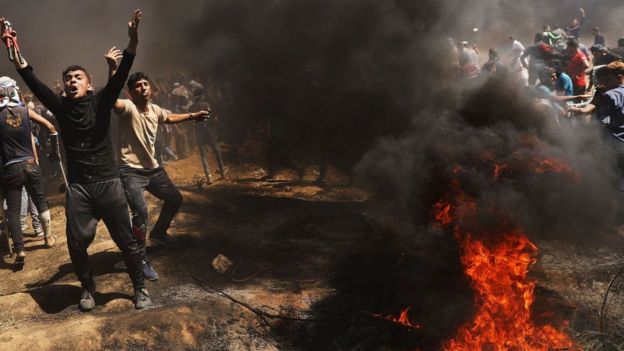
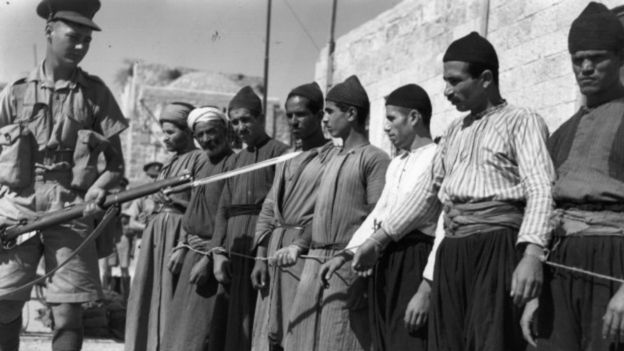
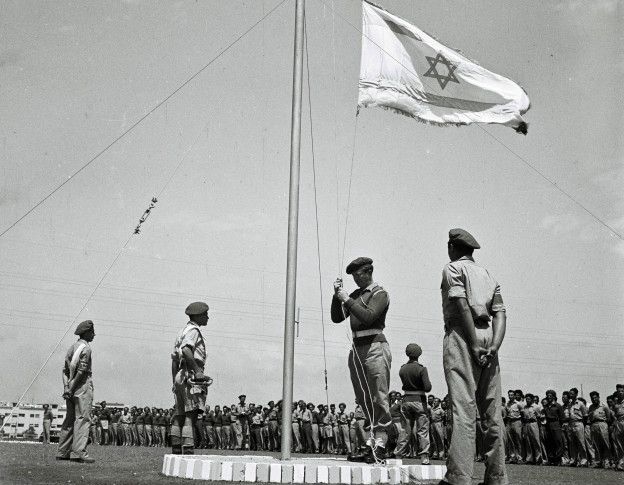
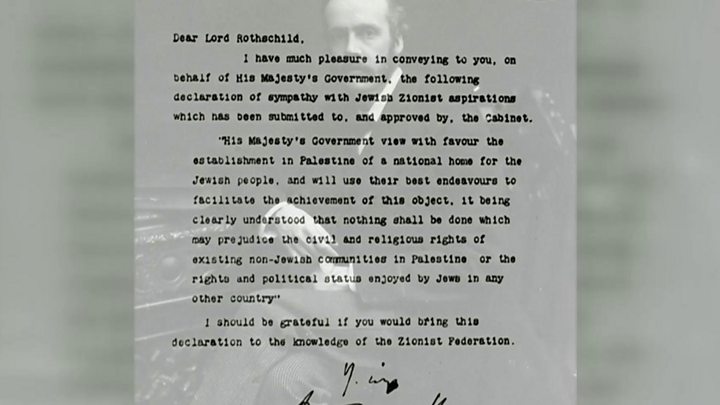
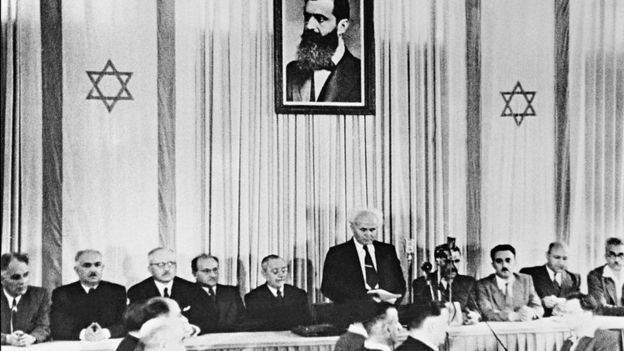
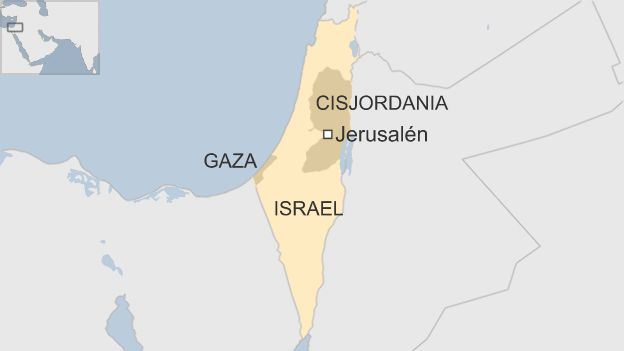
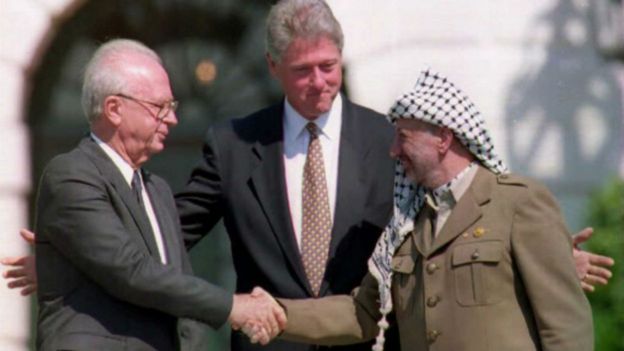
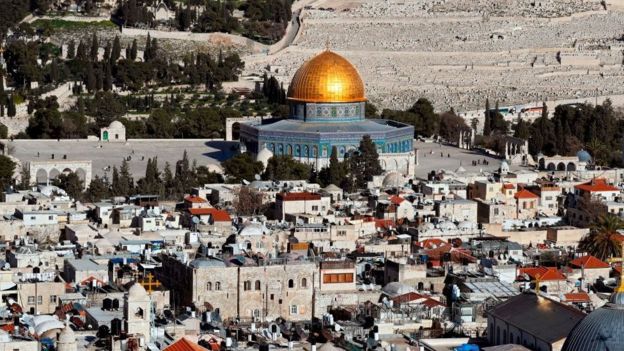
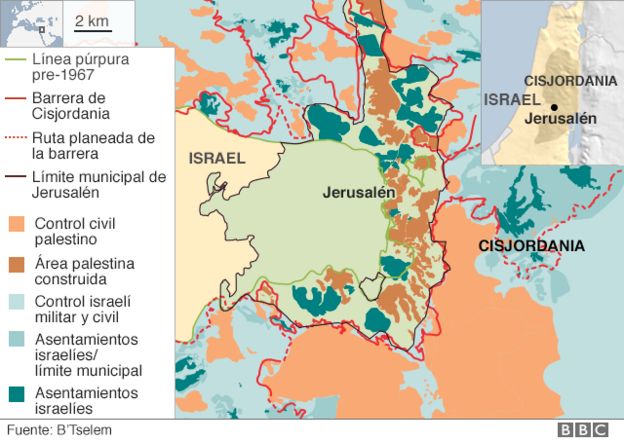

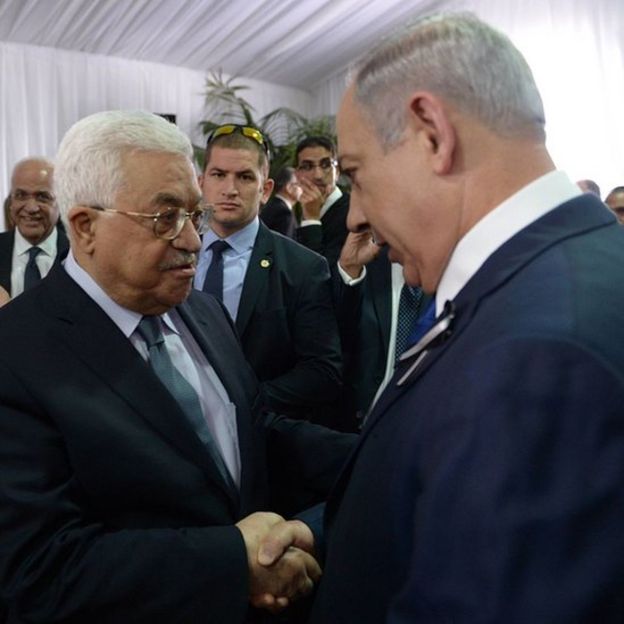


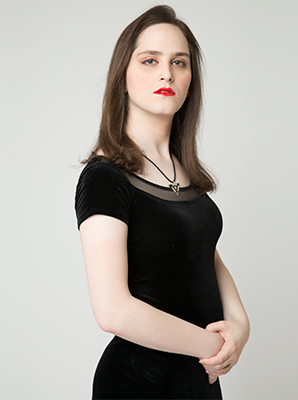


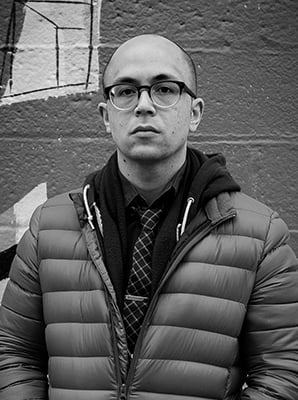





_htm_46b34668e810ede6.jpg)
_htm_d7053c4670651d6a.jpg)
_htm_7b8305911c63112.jpg)


 Centro Estudios Judaicos del Sur de PR