El Museo de Israel muestra por primera vez el pergamino milenario más frágil hallado en unas cuevas del Qumrán en 1947. Es una copia del ‘Génesis’ escrita en primera persona.
Lourdes Baeza
Jerusalén
Fragmento del ‘Génesis apócrifo’, que puede verse por primera vez desde su hallazgo en 1947 en el Santuario del Libro de Jerusalén. En vídeo, declaraciones de Adolfo Roitman, comisario de la exposición.Oded BaliltyFOTO: AP / VÍDEO: EFE
El Museo de Israel exhibe por primera vez el Génesis apócrifo, uno de los rollos del Mar Muerto que hasta ahora había permanecido guardado en la cámara climatizada construida expresamente para albergar los delicados manuscritos encontrados en las cuevas del Qumrán, de más de 2000 años de antigüedad, y a la que sólo acceden los conservadores del museo.
El pergamino ahora expuesto es uno de los textos más misteriosos de los siete primeros rollos del Mar Muerto encontrados 1947 en una cueva en el desierto de Judea. “Era con diferencia el documento en peor estado, por eso hasta ahora ha sido imposible mostrarlo”, explicó ayer el conservador Adolfo Roitman, director del Santuario del Libro.
Datado en el siglo I antes de Cristo y escrito en arameo, recoge del capítulo 5 del Génesis al 15. Una parte de la Biblia en la que se habla de Abraham y de Noé pero contada con diferencias significativas, de ahí que se le considere un texto apócrifo. Su contenido no hace temblar los cimientos del Vaticano —que considera los manuscritos del Mar Muerto de interés universal— pero se presta a ser objeto de nuevas teorías de la conspiración para poner en duda el texto Bíblico. “Es sin duda una copia muy antigua de un texto original. Los trazos de la escritura están hechos con mucho esmero, sin errores y eso en esa época solo era posible si se tenía delante el documento a copiar”, dice Roitman. En el pergamino, que se puede ver estos días en Jerusalén, se narra el pasaje del fin del diluvio universal.
Trozo del manuscrito ahora exhibido en una urna en Jerusalén.Lourdes Baeza
A diferencia del Génesis —que recoge que Noé sale del arca con su familia y lo primero que hace es erigir un altar y hacer un sacrificio para Dios— el manuscrito conservado en la Ciudad Santa cuenta cómo Noé hace el sacrificio dentro del arca. “Desde un punto de vista histórico también tendría sentido porque si estamos hablando de la destrucción que arrasó la tierra, el sacrificio lo habría hecho para asegurarse de purificar el exterior”, cuenta Roitman junto a la vitrina que contiene el texto. Además, estos fragmentos del Génesis apócrifo no están narrados en tercera persona, sino que es el mismo Noé quien cuenta la historia.
Su enorme deterioro ha traído de cabeza a los especialistas durante décadas. Por eso ni siquiera se ha podido digitalizar para ser consultado online. De las 22 columnas que lo componen, las mejor conservadas son las últimas, de la 18 a la 22. “Tiene su lógica porque al permanecer enrollado, los caracteres del final del rollo son los que menos expuestos han estado a la luz y a la humedad”, explica Roitman. Son los únicos fragmentos de este pergamino que se mostraron fugazmente en 1955, en el edificio Terra Sancta en Jerusalén, cuando el entonces primer ministro de Israel, Moshe Sharett, anunció que el Estado israelí había comprado los cuatro rollos perdidos que faltaban de los siete que se encontraron en la llamada Cueva 1 del Qumrán.
Descomposición
Los expertos han estado años lidiando con la descomposición aparentemente imparable de este texto. A diferencia de otros rollos encontrados en la misma cueva, este manuscrito es un pergamino, no un papiro, y su tinta parece ser lo que le hace tan frágil. “Está compuesta por una aleación de carbón y resinas, como la tinta de los otros rollos, pero la del Génesis apócrifo contiene además cobre lo que hace que sea especialmente sensible a la luz. Tenemos fotografías en las que se aprecia ese deterioro al comparar el estado actual, con el estado en el que se encontraba el 1955, cuando el Profesor James Bieberkraut trabajó en él por primera vez”, cuenta el conservador.
Bieberkraut fue el primer experto en Israel que se encargó de la conservación de los rollos. Pero entonces se desconocía que este pergamino es especialmente sensible a la luz. Tanto que ni siquiera resistiría ser expuesto en el Santuario del Libro, en las mismas condiciones del resto de documentos del Qumrán. Por eso, para esta muestra los expertos han acondicionado una urna especial cubierta con un cristal inteligente. El cristal está compuesto por dos capas que permiten el paso de un haz de luz entre ellas de manera que, cuando se pulsa un botón, el pergamino se hace visible sólo durante 30 segundos, pero nunca es iluminado directamente. La vitrina contiene un microchip que registra constantemente las condiciones ambientales.
“Los otros manuscritos se exhiben por partes. Cada tres meses mostramos una sección de ellos diferente, así aseguramos su preservación. Pero con el Génesis apócrifo no podemos hacer eso porque se desintegraría. Por eso esta ocasión para verlo es única”, cuenta Roitman. Los fragmentos se exponen hasta junio. Después, volverán a dormir en la cámara donde han estado más de 50 años.
Periplo mundial hasta Jerusalén
El Museo de Israel que guarda los milenarios Rollos del Mar Muerto.Joan Mas Autonell (Efe)EFE
Los Rollos del Mar Muerto son casi 1.000 pergaminos y papiros escritos en arameo y hebreo encontrados en once cuevas de las casi 300 inspeccionadas en Qumran, en el desierto de Judea, en Cisjordania entre 1947 y 1956.
El Génesis Apócrifo forma parte de los primeros siete manuscritos encontrados en 1947 en la llamada Cueva 1 por unos pastores beduinos de la tribu de los Tamireh. Al tirar una piedra en un agujero y notar un sonido extraño decidieron regresar al lugar preparados para excavarlo. Encontraron diez tinajas de barro con tapa y en una de ellas había tres manuscritos enrollados. En otra visita al lugar, descubrieron otros cuatro rollos y terminaron vendiéndolos a varios comerciantes de Belén.
Un profesor de la Universidad Hebrea, Eleazar Sukenik, compró tres de ellos y los otros cuatro fueron adquiridos por el arzobispo Athanasius Yeshue Samuel del Monasterio siriaco ortodoxo de Jerusalén, que pagó 100 dólares por el lote. Cuando estalló la guerra tras el nacimiento del estado israelí, el prelado huyó con sus manuscritos a Estados Unidos vía Beirut. Allí los puso inicialmente a la venta por un millón de dólares pero nadie los compró. “No estaba clara su antigüedad, la suma era muy elevada y el temor a que fuesen reclamados por Israel o por los palestinos se interponían en la venta”, dice Adolfo Roitman, Director del Santuario del Libro del Museo de Israel.
Finalmente el arzobispo puso un anuncio en el Wall Street Journal rebajando el precio y el arqueólogo Yigael Yadin, los compró en secreto para el estado de Israel por 250.000 dólares. una compra que el primer ministro hebreo Moshe Sharett, anunció en febrero de 1955.
A glimpse behind the illustrious, philanthropic family.
by Dr. Yvette Alt Miller
For some, the name Rothschild seems to be a stand-in for “Jews.” The Rothschild family has been spoken about in classic anti-Semitic terms – too rich and too powerful.
Given the Rothschild’s long history of philanthropy and helping others, these mischaracterizations of the Rothschild family are especially tragic. From humble beginnings in 18th century Germany, the Rothschilds built a banking network and also became major philanthropists: the many programs and charities they established deserve to be better known.
A screenshot from the Russian Channel 1 segment depicting the Rothschilds as a sow, and Israel, the CIA, MI6, ISIS, Al-Qaeda, and Boko Haram as nursing piglets. (Screenshot/MEMRI-TV)
In the 1700s, Jews in Frankfurt had to live in the Judengasse, a cramped Jewish ghetto. Jews had to pay a Jew tax to enter the city and were obliged to step aside, remove their hats and bow whenever they encountered a Gentile on the street. It was here that the Rothschild family traces its roots, to a pious Jewish tradesman named Amschel Moses. When he died in 1757, his gravestone described him simply as “A man who observed the prescribed time for the study of the Torah”. Yet his children and grandchildren would go on to found some of the most successful banks Europe had ever seen.
Amschel Moses Rothschild
A Chassidic Jewish legend describes Amschel Moses working as the assistant to a renowned rabbi who used to collect alms from his congregants and distribute them to the poor. One day, the rabbi discovered his bag of alms was missing. The only person besides himself who had access to it was Amschel Moses. The rabbi couldn’t believe that Amschel, who was always so kind and honest, could have taken it, but there didn’t seem to be any other explanation. With a heavy heart, he approached Amschel and asked if he’d taken the bag. He wasn’t angry, the rabbi stressed, he was sure that Amschel must merely have meant to borrow the money.
Amschel turned pale and told the rabbi he’d be right back. He returned with half the amount that was missing and promised to repay the outstanding balance out of his wages, which he did over a period of many months. Some time later the rabbi was astonished to find the missing bag full of alms; Amschel hadn’t taken it at all!
Shocked, he called for Amschel and asked why he’d paid back the money if he’d never taken it in the first place. “I knew you thought I’d stolen the money,” Amschel replied “If I’d protested, you’d have supplied the money out of your own pocket rather than let the poor go without charity. I didn’t want you to suffer, rabbi, so I decided that I would supply the missing money myself.”
Amschel Moses and his wife died in epidemics when their children were still young, leaving behind their sons Moses, Kalman and Mayer, and a daughter Gutelche. Young Mayer at the time was studying in a yeshiva, but after his parents’ death, he was sent to Hanover to apprentice with a Jewish merchant. Mayer soon became a dealer in coins and antiques, and eventually gained the patronage of a local aristocrat, Prince William of Hanau, who borrowed funds from him, and introduced him to other profligate noblemen who bought and borrowed from Mayer. In order to keep up with all this business, Mayer formed a partnership with his brother Kalman in the 1780s; the Rothschild family as bankers began to be born.
Though the Rothschilds were becoming prominent, their home life was hardly glamorous. Mayer married Gutle, the daughter of a local Jewish trader, and together they had 19 children, ten of whom survived infancy. They bought a house in the Jewish ghetto. Considered enormous by the standards of the ghetto, it was a mere 14 feet wide, and the family slept together in one room. Family life revolved around the Jewish holidays. The early business records of the family include the words “praise God”, a reminder that the Rothschilds saw their success as a gift from Above.
Solomon Rothschild
Mayer Amschel died in 1812, and his five sons carried on the family loan business, each settling in a different European city, and each prospering in a dazzling way. Amschel Mayer (1773-1855) remained in Frankfurt. Karl Mayer (1788-1855) moved to Naples, and established an Italian arm of the Rothschild business. Jakob (1792-1868) settled in Paris and founded the company Rothschild Freres, providing loans to European governments and backing the constructions of the first railways. Nathan Mayer (1777-1836) moved to London, established the trading firm N. M. Rothschild, and eventually funded much of Britain’s war against Napoleon. Solomon Mayer (1774-1855) settled in Vienna. Approached by Prince Metternich, Austria’s Minister for Foreign Affairs, to arrange huge loans to rebuild after the Napoleonic wars, Solomon created new financial instruments to accomplish this huge task. In gratitude, the Rothschild family was ennobled, becoming the first Jewish aristocratic family.
One Rothschild who was determined to find his place in upper class European society without compromising his Jewish identity was Lionel Nathan de Rothschild (1808-1879), the eldest son of Nathan Rothschild. Elected to Britain’s Parliament in 1847, Lionel refused to remove his hat and swear a Christian oath in order to be seated in Parliament. Re-elected four times, he campaigned to change the rules to allow openly Jewish members of Parliament, and was eventually seated in 1858, eleven years after his first election victory.
Lionel Nathan de Rothschild introduced in the House of Commons on 26 July 1858 by Lord John Russell and Mr John Abel Smith by Henry Barraud, 1872.
Lionel also single-handedly funded a number of Jewish schools and charities throughout England. He experimented with building some of the first low-cost housing projects in Europe aimed at providing decent housing to the poor. In 1847, he convened a meeting in his London home to form a committee to raise funds for Irish famine relief. The British Relief Association he and his brother Mayer and others founded ultimately raised over 600,000 pounds, the largest private source of aid sent to Ireland during the Great Famine there. When Lionel’s wife Charlotte died in 1884, her will listed 32 charitable committees she supported, including schools, hospitals, Jewish organizations, and general relief organizations.
Lionel de Rothschild, by Moritz Daniel Oppenheim, 1835
In Frankfurt, much of the city’s charitable endeavors in the 1800s were supported by the Rothschilds. Amschel Rothschild donated 10% of his income to charity, as Jewish law directs, and the family ran 30 individual charities in the city, many overseen by Lionel de Rothschild’s younger sister Louise, who ran the family’s charitable interests along with her seven daughters. Their endeavors included a free library, nursing homes, orphanages, scholarship funds, soup kitchens, hospitals, and a dental clinic.
Perhaps the best known Rothschild philanthropist is Edmond James de Rothschild (1845-1934), a former soldier (he served in the first Franco-Prussian War) who joined the Paris branch of his family’s banking business in 1868. He and his wife Adelheid were early Zionists and profoundly helped Jews return to the land of Israel.
Edmond Rothschild
When the Jews who were building new Jewish towns and villages appealed for help in the early 1880s, it was Edmond and Adelheid who responded, agreeing to invest in new collective farms in what today are the Israeli towns of Rishon LeZion, Zichron Yaakov, Rosh Pinah and others. In all, the couple provided funds to help establish 44 agricultural settlements and towns the length and breadth of the Jewish state. Some of Israel’s best-known settlements are named after Edmond de Rothschild’s relatives: Zichron Yaakov after his father James (“Yaakov” in Hebrew), Mazkeret Batya, after his mother Betty, and Givat Ada, after Edmond’s wife Adelheid.
A French aristocrat to his core, Edmond encouraged industries with a decidedly French flair. He invested in flower production for the French perfume industry and encouraged Israel’s nascent wine-making capabilities. He founded two wineries in Israel, one in Rishon LeZion and one in Zichron Yaakov, which were among the world’s largest at the time.
Visiting Zichron Yaakov in 1893, Edmond commented not only on the flourishing town he’d helped create, but also on the deeper meaning of Jewish connection to the land of Israel. “I did not support you and take you under my wing due to your poverty,” he explained, “but due to your passion to work and live in the Holy Land, and to live in accordance with the spirit of the Torah… The sense of religion is a principle among Jews… Only a sense of religion can unite all parts of the world… You were the first to show the way of agriculture to those who will follow you. You are also obliged to show them the way of the Hebrew heart.”
Edmond died in 1934 in Paris and Adelheid died in 1935. Twenty years after their deaths, Israel repatriated their remains, re-interring them in a state ceremony in Ramat Hanadiv, located between two towns named for Edmond de Rothschild and his father: Binyamina (so named for Edmond’s Hebrew name) and Zichron Yaakov. At the ceremony, Prime Minister David Ben-Gurion said, “I doubt that, in the entire history of the Jewish people in the Diaspora, a period of 2,000 years, one could ever find a man comparable in stature to the incredible character that was the Baron Edmond de Rothschild – the builder of the Jewish Yishuv (settlement) in our renewed homeland.”
Alexandre de Rothschild
Today, the many branches of the Rothschild family are spread across the world. The closest thing to a united Rothschild company is the Rothschild bank, a British-French enterprise, which in February 2018 announced that later this year it would be led by the seventh generation of the famed Rothschild family, Alexandre de Rothschild, the 37 year old executive deputy chairman of the bank. According to the Financial Times, the Rothschild bank is today the fifth largest bank in Europe in terms of mergers and acquisitions in 2015 and 2016. The Rothschild family owns a 49% stake in the company and exercises 58% of board voting rights. While the Rothschild bank is successful, it’s hardly the economic powerhouse that some people think. No Rothschild currently is listed among Forbes’ list of the world’s billionaires in 2018. Instead, it seems the Rothschild’s legacy is one of helping to build European banking – and also of their many philanthropic and charitable undertakings through the years which have left the world a profoundly better place.
Los grandes líderes conocen sus propios límites, no tratan de hacer todo
Por Rabino Jonathan Sacks
Los grandes líderes conocen sus propios límites. No tratan de hacer todo, sino que construyen equipos. Dan lugar a otros que son fuertes donde ellos son débiles. Entienden la importancia del balance, del control y de la separación de poderes. Se rodean de personas que son distintas a ellos. Entienden el peligro de la concentración del poder en un solo individuo. Conocer los límites propios, las cosas que no se pueden hacer –e incluso lo que no se puede ser–, puede resultar una experiencia dolorosa. A veces implica una crisis emocional.
La Torá contiene cuatro fascinantes historias de momentos como esos. Lo que las une no son las palabras, sino la música. Desde los comienzos de la historia judía, la Torá no sólo se leía, sino que se cantaba. De hecho, Moshé, al final de su vida, llamó canción1 a la Torá. En Israel y Babilonia se desarrollaron distintas tradiciones y a partir del siglo X, se comenzó a sistematizar el canto en las formas y en las notaciones musicales conocidas como taamei hamikra, signos de entonación, ideados por los masoretas tiberianos (los guardianes de los textos sagrados del judaísmo). Hay una nota muy llamativa, conocida como shalshelet (encadenamiento), que sólo aparece cuatro veces en la Torá y cada vez que se presenta es signo de crisis existencial. Tres de esas instancias están en Bereshit; la cuarta está en nuestra parashá. Como podremos ver, la cuarta está relacionada con el liderazgo. En un sentido amplio, también las otras tres lo están.
La primera ocurre en la historia de Lot, quien se había separado de su tío Abraham y se había instalado en Sdom. Allí se había asimilado a la población local, sus hijas se habían casado con hombres del pueblo local y él se sentaba en la puerta de la ciudad, símbolo de que se había convertido en juez. Entonces, dos visitantes llegan para decirle que se vaya: Di-s está por destruir la ciudad. Pero aun así, Lot duda. Y sobre la palabra “duda” —vaitmamá— hay una shalshelet.2 Lot está indeciso, conflictuado. Siente que los visitantes tienen razón, que la ciudad está por ser destruida. Pero ha invertido todo su futuro en esta identidad que durante tanto tiempo forjó para sus hijas y para él. Si los ángeles no lo hubieran llevado a un lugar seguro, él habría demorado su decisión hasta demasiado tarde.
La segunda se presenta cuando Abraham le pide a su sirviente –tradicionalmente identificado como Eliézer– que le encuentre una esposa a su hijo Itzjak. Los comentadores sugieren que sentía una profunda ambivalencia con respecto a esta misión: si Itzjak no se casaba ni tenía hijos, Eliézer o sus descendientes acabarían por recibir la herencia de Abraham; él ya lo había dicho antes del nacimiento de Itzjak: “Oh, Señor, Di-s, ¿qué me darás si permanezco sin hijos? El heredero de mi casa será Eliézer de Damasco”.3 Si Eliézer cumplía con su misión y conseguía una esposa para Itzjak, y esta pareja tenía hijos, entonces su oportunidad de algún día tener las riquezas de Abraham desaparecería por completo. En su interior se libraba una batalla entre dos instintos: la lealtad a Abraham y la ambición personal. La lealtad ganó, pero no sin antes padecer una enorme lucha interna. Por lo tanto, la shalshelet.4
La tercera historia se remonta a Egipto y a la vida de Iosef: vendido como esclavo por sus hermanos, trabaja en la casa de un eminente egipcio, Potifar. Un día, su amo se va y lo deja a solas con su esposa, entonces Iosef se da cuenta de que ella lo desea. Iosef es apuesto y ella desea dormir con él. Él se niega. Hacerlo, dice, sería una traición a su amo, el esposo de la mujer. Sería un pecado contra Di-s. Sobre “se negó” encontramos una shalshelet,5 lo que indica –como algunas fuentes rabínicas y comentarios medievales sostienen– que tomó esa decisión tras haber hecho un gran esfuerzo.6 Casi sucumbe; era más que el conflicto usual entre el pecado y la tentación. Era un conflicto de identidad. Hay que recordar que Iosef vivía en lo que él consideraba una tierra nueva y extraña. Sus hermanos lo habían rechazado y lo habían dejado en claro: no lo querían como parte de su familia. ¿Por qué no hacer en Egipto lo que hacían los egipcios? ¿Por qué no se cedía ante la esposa de su amo si eso era lo que ella quería? Sin embargo, para Iosef la pregunta no era sólo “¿esto es correcto?”, sino “¿soy egipcio o judío?”.
Los tres episodios tratan sobre el conflicto interno y sobre la identidad. Hay momentos en los que todos debemos decidir, no sólo responder “¿qué debería hacer?” sino “¿qué tipo de persona debería ser?”. Esto es particularmente trascendental en el caso del líder, lo que nos lleva al episodio cuatro, el de Moshé.
Luego del pecado del becerro de oro, Moshé les dio instrucciones a los israelitas –bajo las órdenes de Di-s– de construir el santuario que luego sería, en efecto, un hogar simbólico permanente para Di-s en medio el pueblo. El trabajo estaba completo y lo que faltaba era la introducción, por parte de Moshé, de su hermano Aarón y sus hijos en el oficio; para ello lo vistió a Aarón con las vestimentas especiales de sumo sacerdote, lo ungió con aceite y llevó adelante los sacrificios apropiados para lo ocasión. Sobre la palabra vaishjat, “y degolló [al carnero del sacrificio]”,7 hay una shalshelet. Por lo dicho, se sabe que esto significa que hubo una lucha interna en Moshé. ¿Pero qué era? No hay ni una señal en el texto que indique que estaba pasando por una crisis.
Sin embargo, tras una breve reflexión se aclara cuál era la agitación interior de Moshé. Hasta ahora, él había conducido al pueblo judío. Aarón, su hermano mayor, lo había asistido y acompañado en sus misiones ante el faraón, actuando como su vocero, su colaborador y su segundo al mando. Sin embargo, ahora Aarón estaba por emprender un nuevo rol de liderazgo, bajo su propio derecho. Ya no sería una sombra de Moshé, haría lo que el mismo Moshé no podría: presidiría las ofrendas diarias en el tabernáculo; mediaría en la avodá, el servicio sagrado de los israelitas a Di-s; en Iom Kipur, una vez al año, dirigiría el servicio de expiación de los pecados de su pueblo. Ya no sería la sombra de Moshé: Aarón estaba a punto de convertirse en el único tipo de líder que Moshé no estaba destinado a ser: un sumo sacerdote.
El Talmud agrega otra dimensión a este conmovedor momento. Ante la zarza ardiente, Moshé había resistido repetidas veces el llamado de Di-s para liderar a su pueblo. Finalmente, Di-s le dijo que Aarón iría con él y lo ayudaría a hablar.8 El Talmud dice que en ese momento Moshé perdió la posibilidad de ser sacerdote. “Originalmente, [dijo Di-s,] tenía la intención de que tú fueras sacerdote, y Aarón tu hermano fuese un levita. Ahora, él será el sacerdote y tú, el levita”.9
Esa es la lucha interior de Moshé, comunicada a través de la shalshelet. Está a punto de introducir a su hermano en un oficio que él nunca podrá realizar. Todo debería haber sido al revés, pero la vida no se vive en el mundo de lo que “debería haber sido”. Seguramente siente alegría por su hermano, pero no puede, a la vez, evitar tener un sentimiento de pérdida. Tal vez siente lo que luego descubrirá: a pesar de que Moshé era el profeta y liberador, Aarón tendría el privilegio negado a Moshé, es decir, ver a sus hijos y descendientes heredar ese rol. El hijo de un sacerdote es sacerdote; el hijo de un profeta, rara vez es profeta.
Las cuatro historias cuentan que hay un momento para cada uno en el que debemos tomar una decisión definitiva sobre quienes somos. Es un momento de verdad existencial. Lot es hebreo, no un ciudadano de Sdom. Eliézer es el sirviente de Abraham y no su heredero. Iosef es el hijo de Iaacob, no un egipcio con una moral endeble. Moshé es un profeta, no un sacerdote. Para decirle que sí a quien somos debemos tener el coraje de decir que no a quien no somos. Eso implica dolor y conflicto, y ese es el significado de la shalshelet. Sin embargo, al final terminamos estando menos conflictuados de lo que estábamos antes.
Esto se aplica en especial a los líderes, y es por eso que el caso de Moshé es tan importante en nuestra parashá. Había cosas a las que Moshé no estaba destinado: no se convertiría en sacerdote, dado que esa responsabilidad era para Aarón; no conduciría al pueblo a través del Iardén. Ese fue el rol de Iehoshua (Josué). Moshé tuvo que aceptar ambos hechos de buena gana para ser honesto consigo mismo. Y los grandes líderes deben ser honestos consigo mismos si quieren ser honestos con aquellos a quienes lideran.
Un líder nunca debería intentar ser todas las cosas para todos los hombres (y mujeres). Un líder debe estar satisfecho con ser quien es. Debe tener la fuerza para saber quién no es, si tiene el coraje de ser quien es.
Notas al Pie
1. Devarim 31:19.
2. Bereshit 19:16.
3. Bereshit 15:2.
4. Bereshit 24:12.
5. Bereshit 39:8.
6. Tanjuma, Vaieishev 8, citado por Rashi en su comentario sobre el Bereshit, ibíd.
Now that Jews all over the world will once again assemble around the Seder table and read the Haggada—the story of the exodus from Egypt—it may be worthwhile to put some thought into the art of reading.
In The Phaedrus (275a-278a) and in his Seventh Letter (344c), Plato questioned—and in fact attacked—the written word as being completely inadequate. This may explain why philosophers have scarcely written about the art of writing, although they extensively engaged in that very craft!
It is well known that Plato used to write in the form of dialogues, and it is clear to anyone reading these conversations that his main purpose in doing so was to hide the characteristics of the texts. He worked for years on polishing this literary form. Cicero maintains that Plato actually died at his writing table at the age of eighty one. “Plato uno et octogesimo anno scribens est mortuus.”[1]
What bothered Plato was that he believed the written word would fall prey to evil or incompetent readers who would do anything they want with the text, leaving the writer unable to defend or explain himself. He feared the text would take on a life of its own, independent of its author, as is indeed characteristic of the written word. Even more interesting is his observation that a written text actually becomes a “pharmakon”—a drug that can either heal or kill, depending on how it is applied. It may even be used as a prompt, but will ultimately lead to memory loss since it will make the brain idle. Years later, Immanuel Kant wrote along similar lines, saying that the “script” wreaked havoc on the “body of memory.”[2]
However, according to Plato, this means far more than just losing information, or being deprived of the skill of memorizing. For him, real knowledge was a matter of “intrinsic understanding,” demanding a person’s total presence within what he reads or says. Only that with which I totally identify and which has become united with my Self can be called knowledge and is in-scribed in my whole personality. That which I have simply read or learned superficially is not really knowledge.
Unwittingly, Plato touched on a most fundamental aspect of the Jewish Tradition. We Jews are called “the people of the book.” But we are not; we are the people of the ear. The Torah is not to be read, but is rather to be heard. It was not written in the conventional sense. It was the Divine word spoken at Sinai, which had to be heard and which afterwards, out of pure necessity, became frozen in a text, but with the sole intention of being immediately “defrosted” through the art of hearing. This, then, became the great foundation of the Jewish Oral Tradition.
Reading entails using one’s eyes and, as such, the act remains external. The words are not carved into the very soul of the reader. Rabbi Yaakov Leiner, son of the famous Ishbitzer Rebbe, Rabbi Mordechai Yosef Leiner, and one of the keenest minds in the Chassidic tradition, speaks about seeing. He makes the valuable observation that sight discloses the external aspect of things while hearing reveals the internal.[3] One must hear a text, not read it. This is the reason why the body of Torah consists of minimum words and maximum oral interpretation.
Still, does the open-endedness of the Torah not present the opportunity for anyone to read his own thoughts into the text and violate its very spirit? The Jewish Tradition responded to this challenge with great profundity. It created an ongoing oral tradition in which unwritten rules of interpretation were handed down, thereby securing the inner meaning of the text while at the same time allowing the student to use all of his creative imagination. Even after the Oral Torah was written down in the form of the Talmud, it remained unwritten, as any Talmud student can testify. No other text is so succinct and “understaffed” in written words while simultaneously given to such vast interpretation. The fact that the art of reading the Talmud can only be learned through a teacher–student relationship, and not merely through the written word, proves our point. Only when the student hears his master’s oral interpretation of the text is he able to read it, because the teacher will not only give him explanations but will also convey the inner vibrations that were once heard at the revelation on Mount Sinai. This is the deeper knowledge that the teacher received from his masters, taking him all the way back to the supreme moment at Sinai. In that way, the student can free himself from a mechanical approach to the text. He will hear new voices in the old text, without deviating from its inner meaning. This will give him the courage to think on his own and rid himself of prejudice. The text, then, is not read but heard.
Jewish Law states that even if one is alone on the Seder night, one must pronounce the text of the Haggada and not just read it. He must hear himself, explain the text to himself in a verbal way, and be in continuous dialogue with himself so as to understand and feel what happened thousands of years ago. Plato alluded to this matter without fully realizing why his own teachings never came close to receiving the treatment they perhaps deserved. They are read too much and heard too little.
This may be the difference between the Divine word and the human word. The Divine is a dimension where words have no spiritual space. Human words are too grounded in the text. The Divine word goes beyond these textual limitations and can find its way only through the act of listening, because it is through this particular one of our senses that we are able to hear the “perpetual murmur from the waves beyond the shore.”[4]
When we read the text on the Seder night, we should be aware that it only provides the opening words. The real Haggada has no text. It is not to be read, but is rather to be heard. And, just as with the Torah, we have not even begun to understand its full meaning. We are simply perpetual beginners.
Una exposición en Madrid muestra las pinturas y dibujos que ayudaron a sobrevivir a la artista judía en Terezin, Auschwitz y Mauthausen
Jesús Ruiz Mantilla
Copias de los dibujos de Helga Weissová, ayer en el Centro Sefarad de Madrid. ÁLVARO GARCÍA
Un muñeco de nieve fue lo último que Helga Weissová pintó como niña ajena al horror, según cuenta ella misma. La frontera de una blanca infancia feliz con gorro, nariz y botones. Corría diciembre de 1941 y vivía en Praga. Acababa de cumplir 12 años cuando la deportaron al gueto de Terezin, donde los nazis agolparon a decenas de miles de judíos en la que fuera Checoslovaquia. A partir de entonces, su padre le dio un consejo que cumplió toda su vida: “Pinta lo que ves”. Y lo que escrutó a partir de fecha fue la muerte al acecho en todos los barracones de aquella ciudad previa al transporte hacia Auschwitz, Mauthausen o Freiberg, donde Helga pasó los cuatro años siguientes. Hoy, esos dibujos pueden admirarse en el Centro Sefarad de Madrid, que ha abierto una exposición de la artista hasta abril, en colaboración con el Centro Checo y el Ayuntamiento de Huesca.
Weissová tiene hoy 88 años. Vive todavía en Praga y es consciente tanto de su suerte como de su buena salud. Fue una de los 100 niños supervivientes de Terezin. Una cifra nada desdeñable si contamos que por allí ingresaron 15.000 menores de 16 junto a sus padres y familiares. Llegaban provenientes de toda Bohemia y Moravia, junto a algunas zonas limítrofes durante la Segunda Guerra Mundial. Terezin fue, a medias, un espejismo y un espanto. Los nazis utilizaban ese purgatorio como propaganda ante las inspecciones internacionales. Montaban obras de teatro, lecturas, conciertos, óperas, juegos. Luego llegaban los trenes… Desde allí los deportaban con vía preferente a los hornos y al exterminio.
En una de las estaciones, Helga se salvó junto con su madre en parte, gracias al cuidado de dos españoles. “Se llamaban José Rasal Rio y Manuel Obatlero Dominiguer”, comenta desde Praga a EL PAÍS. “Fueron presos políticos en Mauthausen. Durante los primeros días después de la liberación se ocuparon de nuestro grupo, nos cuidaron con mucha sensibilidad. Me ayudaron mucho. Antes de despedirnos, los dos me escribieron sus nombres y direcciones. He guardado hasta hoy este trocito de papel con un manuscrito a lápiz”, comenta Helga. También que después de la guerra los buscó sin éxito. “Sólo hace poco he logrado encontrar y, por fin, conocer a los parientes de José Rasala Rio. Vinieron a Praga y me regalaron una foto suya”.
Terezin, esa terrible arma de propaganda
Helga Weissová.
Cuando atraviesas los muros de Terezin, sientes la argucia de aquella pantalla en los baños que los prisioneros no podían utilizar. El gueto en el que Helga Weissová ingresó con 12 años fue toda una maniobra de distracción. Un trampantojo destinado a la Cruz Roja y a los observadores internacionales, que se tragaban la patraña. Hoy es una ruina permanente del espanto, a 70 kilómetros de Praga. Como el talento de los judíos checos resultaba un elemento de irradiación aprovechable, los nazis utilizaban aquel lugar previo a la deportación hacia los campos de exterminio como un elemento de propaganda a nivel mundial. Rodaron hasta un documental: El Fhürer regala una ciudad a los judíos. Más de 2.000 deportados lo animaron con actividades culturales. La mayoría de ellos –como la mayor parte de los 150.000 que pasaron por ahí- no lo pudo contar. No lo lograron los compositores Hans Krása, Viktor Ullman, Pavel Haas, Heinz Alt…, los cuatro muertos en Auschwitz. Su arte sí se las arregló en parte sobrevivir al humo de los hornos. Weissová, también. Hoy cuenta su experiencia a jóvenes de todo el mundo, como los más de 500 alumnos de institutos de Huesca que han viajado durante varios años allí para verlo. Por eso, del Centro Sefarad de Madrid, la exposición de Weissova pasará a la ciudad aragonesa. Solo cabe esperar, que ese lazo especial con los oscenses se forje en otros lugares.
Pero fue sobre todo en Terezin donde comenzó a dibujar y, por tanto, a documentar aquellas desgracias. “Estuve en ese lugar casi tres años. De niña me convertí en adulta. Allí viví también mi primer amor…”, recuerda Helga. “No llevaba bien mi separación de los padres, echaba de menos mi casa, pasé por varias enfermedades, tenía hambre. Por otra parte, llegué a conocer la solidaridad y amistad verdadera. Estaba alojada en lo que llamaban la casa de las niñas. Teníamos cuidadores en cada fila de prisioneros 24 horas al día. Nos impartían clases, nos leían poemas, jugaban con nosotros, cuidaban de los enfermos. Intentaban protegernos del sufrimiento psíquico y se esforzaron para que no perdiéramos los principios morales”.
Aparte de dibujar, Helga se impuso la disciplina de escribir un diario que años después fue publicado en español por la editorial Sexto Piso. Cuenta lo cotidiano. El ambiente en que por Terezin pasaron artistas judíos checos de varias disciplinas. Fue el lugar, por ejemplo, en el que Hans Krása compuso la ópera Brundibar para que la cantaran allí los propios niños del gueto. Se llegaron a hacer in situ 55 representaciones. “Yo no participé activamente en ella. No obstante, vi varias obras teatrales y conciertos”, asegura Weissová.
Eran los desahogos permitidos. Una válvula pérfida de escape. Parte de una siniestra tortura psicológica. La que les llevaba con casi total seguridad hacia un camino sin retoro. “Vivíamos con miedo permanente de ser incluidos en el trasporte hacia el Este. Aunque no sabíamos adonde iban esos trenes, ni teníamos idea de Auschwitz, éramos conscientes de que se trataba de algo peor que Terezín”. Helga afirma que ese miedo ya se ha ausentado de sus pesadillas. Pero mantiene la guardia: “No obstante, me temo, que la guerra y una situación parecida pudieran repetirse”.
Pintar resultó una evasión. Después un destino, porque dedicó su vida a ello. “Hizo posible poder relajarme, encerrarme dentro de un mundo propio en un ambiente sin privacidad existente. Hasta cierto punto me levantaba la autoestima”. Las humillaciones y la sospecha de una muerte más que probable, les sumían a veces en un estado de parálisis. Hoy, guarda aquellos dibujos que hizo y los que pintó después de salir con la memoria, en un rincón oculto de su casa. Lo que puede verse en Madrid y luego en Huesca son copias. Los originales, apenas los quiere mostrar.
A 2,700-year-old seal impression on clay unearthed in Jerusalem this February piqued enormous interest, after its finder, the leading Jerusalem archaeologist Dr. Eilat Mazar, said it may have been the personal seal of Isaiah the Prophet himself. Biblical scholars have been quarreling ever since.
The ancient Hebrew script, engraved with a sharp point, says Yeshayahu NBY, Mazar deciphered.
Yeshayahu is the Hebrew form of Isaiah: that much is clear. The question is about the three letters following the name: nun-bet-yod, “NBY”.
That could spell the start of the four-letter Hebrew word navi, meaning “prophet,” if we assume that there was a fourth letter, aleph, which broke off. Mazar thinks that could well be the case, and that they may have found proof that Isaiah the Prophet, contemporary King Hezekiah, really existed. But as with so many artifacts from antiquity, the truth is far from categorical.
Finding Isaiah
In antiquity, seals were used as signatures to mark ownership, authenticity, or agreement. The name of the person would often be followed by the name of the person’s father, ancestral location, or profession. Finding a personal name alone was the exception.
Unfortunately, the clay bulla (seal impression) that Mazar found was damaged. The second word is broken off after three letters, NBY (or NVY: the letters B and V are the same in Hebrew).
To be the word “prophet,” the missing fourth letter would have to be an aleph. But who knows if it was? That is just one reason many take issue with interpreting NBY as “prophet,” Nadav Na’aman, professor of Jewish history at Tel Aviv University, tells Haaretz.
Alan Millard, professor of Hebrew and Semitic Languages at Liverpool University, is also skeptical, for another reason. The word “prophet” would not have followed the personal name without the definite article “the” (ha in Hebrew), Millard argues. So, if it belonged to the prophet, the bulla should have read “Yeshayahu HaNavi” – i.e. HNBY.
“There are other Hebrew seals or impressions which have a profession after the owners’ names and they all have the definite article (HSPR, meaning “the scribe”, for instance),” Millard points out.
Mazar herself agrees that rather than designating occupation, the “NBY” could have been part or all of a personal name. Unless we find more impressions of this seal, we will never know.
Isaiah the son
For his part, Na’aman suggests that the second word, NBY, could be a Middle East patronymic. In other words, he postulates that the impression originally read “Isaiah (son of) NBY” – for instance, possibly “Isaiah son of Nebai” – another name from biblical sources.
If Naaman is right, the Hebrew word for “son of,” ben (BN), is missing. Millard disagrees, feeling that the seal would have plenty of space to add the letters “BN” for “son of”.
What can be said is that the name “Nebai” existed in biblical times and meant “from the city of Nob”, which was a priestly town not far from Jerusalem, though we aren’t sure today where exactly it was.
The Book of Nehemiah describes how the children of Israel confessed their sins to the Lord, praised him, enumerated his achievements (for instance, “You came down on Mount Sinai; you spoke to them from heaven. You gave them regulations and laws” – Nehemiah 9:13). The Israelites then entered into a covenant with the Lord that was written out and sealed by the princes, Levites and priests. Among the many, many names mentioned as having signatory rights on that occasion was one “Nebai,” listed among the leaders of the people (Nehemiah 10:19).
By the way, if this Isaiah really was the son of this Nebai, then he wasn’t the prophet, if only on the grounds that the prophet said his father was named Amoz.
Incredibly, archaeologists have found four sets of seal impressions featuring the name Nebai, but three are non-provenanced – meaning, the researchers can’t be sure where they originate.
The fourth was unearthed in Lachish, and the impression gained is that Nebai is indeed a personal name. (The four seal impressions are described in “Corpus of West Semitic Stamp Seals,” originally written by Nahman Avigad and revised by Benjamin Sass: Nos. 227, 379, 530 and 693, and see p. 513.)
Lastly, this wasn’t the first time that archaeologists found the name “Isaiah” outside the context of the Bible in a contemporary inscription. The Avigad-Sass “Corpus of West Semitic Stamp Seals” lists three seals (Nos. 212, 213, and 214) belonging to men named Isaiah, complete with patronymics: the three had different fathers, none of whom was Amoz.
What can be said that the Hebrew script on Mazar’s seal impression is typical of the 8th century B.C.E., the period Isaiah was supposed to have lived.
With the last word not said, who then was Isaiah the Prophet, anyway?
Who was Isaiah?
Millard for one sees no reason to doubt that Isaiah was a real person who lived in the reigns of Sargon II, then Sennacherib – Sargon being the Assyrian king who marched through Judah, conquering 46 of King Hezekiah’s fortified cities, but who mysteriously withdrew after reaching Jerusalem just as victory over the cowed Judahite king seemed assured.
Assyrian soldiers in battle: They swept over the land of Israel,vanquishing 46 of Hezekiah’s cities – but suddenly, dolded thesiege of Jerusalem and left Getty Images IL
Millard’s indicator lies in how Sargon’s name is spelled in the Book of Isaiah.
Isaiah was a contemporary of Sargon II, who ruled from 722 to 705 B.C.E. (Isaiah 20:1-2), the prophet himself says in the biblical narrative.
In Isaiah 20:1, the Assyrian king’s name is spelled SRGN, which is the Aramaic version. The Assyrians spoke Aramaic (a language very like Hebrew, originally spoken by the Aramaeans that would eventually become the international language for trade in Assyria and Babylon too).
We know the Assyrians spelled Sargon the same way, SRGN, from an Aramaic seal imprint found at Khorsabad, the site of the king’s new palace near Nineveh, Millard explains.
If the Book of Isaiah was a later artifact, written or revised during the Jews’ Babylonian exile, Sargon would presumably have been written the Babylonian way – “SHRKN.”
Scourge of kings
In the first verse of his book, Isaiah introduces himself as “Isaiah son of Amoz” and tells us that he served as a prophet “during the reigns of Uzziah Jotham, Ahaz and Hezekiah, kings of Judah” (Isaiah 1:1).
If so, this means that Isaiah was active no less than 46 years, probably beginning his career at the end of Uzziah’s reign around 743 B.C.E.
According to the Bible, this was a period of international tension and inner turmoil. Political unrest was rife, bribery tainted the courts, and hypocrisy was tearing the religious fabric of society. Even some Judahite kings persisted with pagan worship, not caviling at human sacrifice:
“Ahaz was twenty years old when he became king, and he reigned in Jerusalem sixteen years. Unlike David his father, he did not do what was right in the eyes of the Lord. He followed the ways of the kings of Israel and also made idols for worshiping the Baals. He burned sacrifices in the Valley of Ben Hinnom and sacrificed his children in the fire” (2 Chronicles 28:1-3; and the list of Ahaz’s sins goes on. Judah is punished for Ahaz’s sins.)
There are other elaborations of pagan worship by the Judahic kings in 2 Kings 16:5-8 and Isaiah 7:1-12, for example.
Isaiah, who seemed to have been quite outspoken even to kings, did not spare them his rhetoric, calling the rulers of Judah “dictators of Sodom” (Isaiah 1:10).
Secular records and archaeological finds in Judah and Jerusalem support Isaiah’s account of the religious and political affairs in Judah at the time, by and large.
Archaeologists have found hundreds of terracotta pagan figurines in Jerusalem and Judah, mainly in the ruins of private homes. Most were nude females with exaggerated breasts, which some scholars identify with fertility goddesses such as Asherah – talismans aiding in conception and childbirth. (Others argue that they bear no signs of divinity.)
At some “high places,” so-called bamah, a sort of open-air altar dedicated to sacrifices to Yahweh, archaeologist have found inscriptions saying, “I bless you by Yahweh of Samaria and by his Asherah,” and another says, “I bless you by Yahweh of Teman and by his Asherah!” Namely, YHWH, God of the Jews.
No toady Isaiah
Although Isaiah may not have been popular with all of the kings of Judah, he seemed to have got along with some, not that he was necessarily a bearer of cheer. When King Hezekiah fell gravely ill, Isaiah came to him and told him he was going to die (Isaiah 38:1).
King Hezekiah, who ruled from around 727 to 686/7 B.C.E., was one of the more important kings of Judah, and he seems to have tolerated the influence of the opinionated prophet. Nothing less than the king’s own seal imprint seems to have been found in 2009, during Mazar’s excavations in Jerusalem. In fact the recent “Isaiah seal” was found just a few feet from the Hezekiah seal mark.
City of David: The seals ostensibly of King Hezekiah and ProphetIsaiah were found within 10 feet of one another. Olivier Fitoussi
(Several examples of bullae imprinted by seals bearing Hezekiah’s name appeared on the antiquities market before Mazar found the one in situ in Jerusalem. There was more than one seal inscribed ‘Hezekiah, son of Ahaz, king of Judah’: the seals were probably delegated to high officials. We know Assyrian kings’ seals were so used.)
The discovery of the “Isaiah seal” so nearby the king’s does not prove the theory that the “Isaiah seal” was the seal impression of Isaiah the Prophet himself, who was an adviser to the king, as Mazar herself observes. But it is intriguing.
During Hezekiah’s reign, the kingdom was invaded by King Sennacherib of Assyria, an event described in detail (Isaiah 36-37) and corroborated by the extra-biblical account inscribed in the Annals of Sennacherib Prism, the Rassam Cylinder and also Histories, written by the 5th century B.C.E. Greek Herodotus. Sennacherib’s siege of Jerusalem was so dramatic that it was still inspiring writers eons later, including Dante and Lord Byron:
“The Assyrians came down like the wolf on the fold, and his cohorts were gleaming in purple and gold; And the sheen of their spears was like stars on the sea, when the blue wave rolls nightly on deep Galilee” – Lord Byron
Isaiah the scribe?
Not only did Isaiah seem to have been close to the kings of Judah, having access to Ahaz and Hezekiah: he also seemed to have had training in scribal skills.
Isaiah was evidently familiar with the way scribes worked in 8th -century B.C.E. Judah, such as using wax-covered wooden tablets as instant notebooks, and only later copying the text onto papyrus or leather (which may have been more common, as papyrus had to be imported from Egypt): “Now come, write it upon a tablet with them, and inscribe it even in a book…” (Isaiah 30:8).
Assyrian god Getty Images IL
“Isaiah was a member of the upper class in Judah and could well
have been able to write and read,” says Millard. In fact he is convinced
that writing was widespread in Israel and Judah in the 8th and 7th
centuries B.C.E. The sheer number of sites with texts, the quantity
of short texts and the multitude of seals and impressions bearing
their owners’ names should dispel any notion that writing was rare, Millard argues.
It bears adding that a lot of historians and archaeologists do not agree that reading and writing were commonplace 3,000 years ago, but many do. If the Judahite scribes were doing menial legal and administrative duties such as making lists, setting out legal deals and writing letters – Millard for one thinks it reasonable to expect some to have spent time writing other texts, as was done in Mesopotamia and Egypt.
Hebrew compositions found on ancient ostraca (pottery fragments) and walls (they had graffiti then too) prove that somebody at least was writing things other than laundry lists and praise to the king. One ostracon found in the Israeli desert outpost of Arad bears part of a literary text. Another from the fort at Horvat Uzza is of literary nature, possibly a sapient work by a local author.
Elsewhere, at Kuntillet Ajrud in the Sinai, lines of a prophetic verse written on wall plaster have been dated to the early 8th century B.C.E.
Isaiah may not have been a professional scribe per se, but some scholars assume that he was well versed, not only delivering his prophecies orally but writing them down. Na’aman however begs to note that there are no other examples of prophets who delivered their prophecy in a written form.
Drawing from Kuntillet Ajrud, an Israelite outpost in Southern Negev, 8th century B.C.E. Alamy
“Jeremiah is the only prophet in the days of the Kings who is recorded as having his prophecies written down,” Millard adds.
Revelation: Predicting the Messiah
Whether Isaiah is fact or figment is a matter of interest to both Jews and Christians, since among other things Isaiah foretold a number of details about the coming of the Messiah.
It is a paragraph by Isaiah that has become one of the most controversial passages in the Old Testament. As the King James Version translates Isaiah 7:14: “Therefore the Lord himself shall give you a sign; Behold, a virgin shall conceive, and bear a son.“
More modern translations take issue with the translation of the Hebrew word alma as “virgin,” arguing that it merely means “young woman”.
Isaiah also foretold that the Messiah would be a descendent of David (Isaiah 11:1-5). He predicted that the Messiah would not be accepted by the majority of Israel and instead be a “stone of stumbling” to them (Isaiah 8:14,15).
In the book of Isaiah, the Messiah prophetically says: “My back I gave to the strikersmy face did not conceal from humiliating things and spit” (Isaiah 50:6). He even gave details of the Messiah’s death, foretelling: “He will make his burial place even with the wicked ones, and with the rich class in death” (Isaiah 53:9).
Finally Isaiah spoke of the meaning of the Messiah’s death:
“The righteous one, my servant, will bring a righteous standing to many people; and their errors he himself will bear” (Isaiah 53:8,11).
Many Christians today identify the Messiah with Jesus Christ, and view Isaiah’s prophecies regarding the Messiah as fulfilled by the works and life of Jesus Christ.
Victory by rodent
For Jews, Isaiahic prophecies of Exile and Restoration attest to his divine inspiration. He foretold that Assyria would not dethrone the kings of Judah and destroy Jerusalem – but Babylon would.
When Assyria “flooded” Judah “up to the neck”, Isaiah gave King Hezekiah the comforting message that the Assyrian forces wouldn’t take Jerusalem (Isaiah 8:7,8).
Ultimately, the prophet was right. Assyrian accounts describe how Sennacherib surrounded, besieged and conquered 46 of Hezekiah’s fortified walled cities, and seized 200,150 people and all kinds of domestic animals as spoils of war. Sennacherib mockingly describes how he trapped Hezekiah:
“Himself [Hezekiah] I made a prisoner in Jerusalem, his royal residence, like a bird in a cage”.
The Assyrian leader imposed a heavy tribute of 30 talents of gold, 800 talents of silver and all kind of luxury items – as well as the king’s daughters, palace women and singers. The annals tell how Hezekiah dispatched messengers to deliver the tribute.
But just as victory seemed to be at hand, Sennacherib suddenly lifted the siege and did not depose Hezekiah from the Judahite throne.
Even the ancients puzzled over why the Assyrians did not capture Jerusalem despite his reputation for mercilessness.
Could Assyrian ambitions have been tamed by the mouse? The Greek historian Herodotus tells us, based on tales told him by Egyptian priests:
“During the night a horde of field mice gnawed quivers and their bows and the handles of shields, with the result that many [Assyrian soldiers] were killed, fleeing unarmed the next day” – Herodotus 2.141.
Mice were a symbol of pestilence in the ancient world, and may have been employed here allegorically. But Herodotus’ story is that mouse attack devastated the Assyrians outside Jerusalem and the rest is, well, perhaps history.
Or, perhaps the Assyrian forces were decimated by a pestilence carried by rodent. Or something else.
Ultimately, however, Jerusalem was captured by the Persian king Cyrus in 587 B.C.E. – an event also predicted by the prophet (Isaiah 45:1,2).
How many Isaiahs were there?
The issue of prophecy is one thing that has caused many scholars to question the authorship of the Book of Isaiah.
In the 12th century, the Jewish commentator Abraham ibn Ezra suggested that the second half of the book, from Chapter 40, was written by somebody else who lived during the post-Isaiah period of the Babylonian exile.
Today many scholars believe that as many as three Deutero-Isaiahs may have contributed later than the 6th century B.C.E., during or after the exile. That would explain the “prophecies” of Judah’s desolation.
It bears adding that in the Isaiah manuscript among the roughly 2,200-year-old Dead Sea Scrolls, Chapter 40 begins on the last line of a column and ends in the next column. There is no sign of change in writer or division in the book at that point.
Then there is the testimony of first-century Jewish-Roman historian Flavius Josephus, who not only indicates that the prophecies in Isaiah pertaining to Cyrus were written in the 8th century B.C.E. – but also says that Cyrus was aware of these prophecies.
“These things Cyrus knew,” Josephus writes, “from reading the book of prophecy which Isaiah had left behind two hundred and ten years earlier.”
According to Josephus, knowledge of these prophecies may even have contributed to Cyrus’ willingness to send the Jews back to their homeland. As Josephus writes: Cyrus was “seized by a strong desire and ambition to do what had been written.” (Jewish Antiquities, Book XI, chapter 1, paragraph 2).
“I have no difficulty in positing a single author for the Book of Isaiah on grounds of faith. If we allow that books might be revised, then that could account for the otherwise awkward appearance of the name Cyrus,” Millard explains.
Was Isaiah a historic figure with prophetic powers? The authors of the Gospels thought so, crediting Isaiah with writing the book, and so did Josephus, and Shimon ben Yeshua ben Eliezer ben Sira, the Jerusalemite sage who wrote in the 2nd century B.C.E.
These writers may not have been contemporary, but they weren’t 850 years in delay, basing their assumptions on medieval manuscripts from the 12th century C.E., as some modern biblical scholars today tend to do.
Did the clay bulla found in Jerusalem belong to Isaiah the prophet of the 8th century B.C.E.? As he himself exclaimed in his book, “Here I am, Send me!” (Isaiah 6:8). Who knows, maybe that did happen, and we will find solid evidence of his existence one day.
Joseph Farah is founder, editor and chief executive officer of WND. He is the author or co-author of 13 books that have sold more than 5 million copies, including his latest, “The Restitution of All Things: Israel, Christians, and the End of the Age.”
You’ve undoubtedly heard that Jerusalem represents the third holiest city in Islam.
That is provably untrue.
Or, perhaps you’ve read in Wikipedia or heard on CNN that the Al-Aqsa Mosque is the third holiest place of worship in Islam.
That, too, is a provable lie.
Or, maybe you heard about the vote by UNESCO in 2016 that denied any Israeli connection to the Temple Mount, referring it only by the Islamic name, “Haram al-Sharif.”
Before I get to the history of these myths, these aberrant legends, these anti-Semitic fictions from hell, let me tell you why anyone with a clear head and objective, rational mind can see the truth in spite of the powerful delusion that has cast a spell upon the world – deliberately, with political purpose and very recently, too.
Everyone should recognize the No. 1 holy site in all Islam is Mecca, the Qaba, which draws millions of pilgrims annually – perhaps more than any other religious shrine in the world. For instance, while some 5 million visit the Vatican City every year, 18 million Muslims visit Saudi Arabia and, almost all of them, go to Mecca, which doesn’t allow non-Muslims to enter the city. The annual five-day Hajj, alone, attracted more than 2 million in 2017.
But after Mecca and Medina, there is actually much dispute, even among Muslims, as to which would be Islam’s third holiest city. Why? Because while Mecca and Medina are considered holy to all Muslim followers of Muhammad and Allah, not all of them are Sunni. Sunni Islam adherents represent about 80 percent, or roughly 1.2 billion Muslims worldwide. But another 20 percent are Shia, representing as many as 300 million. And Shia Muslims revere shrines in two other cities in Iraq – Najaf and Karbala.
How many make pilgrimage from Najaf to Karbala annually during the Shia Arba’een Pilgrimage? Hold on to your burqa or keffiyeh. Some accounts put it at 30 million from as many as 40 countries, often braving attacks from Sunni terrorists and usually traveling barefoot. That’s right. This Arba’een Pilgrimage, is a much longer one than the five-day Mecca Hajj and, according to many sources, much larger in sheer number of participants.
Now let’s consider Al-Aqsa and the Dome of the Rock and Jerusalem.
How many Muslims make pilgrimage to Jerusalem? Israel hosts a total of about 2 million tourists from all over the world every year, but only a tiny fraction are Muslims. Israeli tourists are diverse ethnically but almost all Jewish and Christian. And please don’t tell me Muslims are not welcome, because they are. In 2014, the latest statics I could find, showed 26,700 tourists from Indonesia; 23,000 from Turkey; 17,700 from Jordan; 9,000 from Malaysia and 3,300 from Morocco. And those were the biggest numbers.
And maybe you think Muslims stopped coming to Jerusalem, their “third holiest city,” after Israel reunified it in 1967. Quite the opposite. There was scarcely any interest in Jerusalem when Jordan controlled Al-Aqsa and the Dome of the Rock. Even King Hussein never visited Jerusalem during the time he controlled part of the city for two decades.
If you want to go back further, before the first Zionist Aliyah, you can see what the Dome of the Rock circa 1875 looked like – abandoned, in total disrepair, unvisited. In fact, it didn’t get its famous gold-plated roof until the 1950s under Jordanian control, and it had to be redone in 1993 under Israeli authority.
While we’re starting to travel back in history, let’s look for Jerusalem in the Quran. Let me save you some time. You can stop looking. You won’t find it. It’s not there, though a passage we read in the Quran did indeed inspire the building of Al-Aqsa.
The Muslim “claim” to Jerusalem is based on what is written in the Quran in Sura 17:1, which says, “Glory be unto Allah who did take his servant for a journey at night from the Sacred Mosque to the Furthest Mosque.” How did this “Furthest Mosque” become the one visited by Muhammad in a dream in which he rode a flying camel or horse?
In Muhammad’s lifetime, Jerusalem was occupied by the Byzantine Empire. While Muhammad died in 632, Jerusalem was captured by Muslims in 638. When they came, of course, there was no mosque and no Dome of the Rock anywhere in Jerusalem, only churches. One of those churches is believed to have been built atop the Temple Mount. It may have even been converted into the Al-Aqsa Mosque. In fact, both the dome and the mosque display undeniably noticeable Byzantine architectural influences.
When rivals of Muhammad’s successors captured Jerusalem from the Christians, they first built the Dome of the Rock, a shrine the conquerors believed to have been the site of the Second Temple, destroyed by the Roman Empire in 70 A.D. The dome was completed in 691 and the Al-Aqsa Mosque some 20 years later, or some 80 years after the death of Muhammad. The “ascension” of Muhammad from the rock under the dome is believed to have been conjured during this period by Khalif Omar, who sought to construct a new holy site to rival the one in Mecca.
Nevertheless, the idea of establishing this shrine and the Al-Aqsa mosque atop the old Temple Mount as permanent Islamic holy places did not catch on, as we can see by comparing them to others in Mecca, Medina, Najaf and Karbala.
In fact, not through the entire time of the Islamic Ottoman Empire, which controlled Jerusalem until World War I, and not until 1929, did the Dome of the Rock and the Al-Aqsa Mosque stir any passionate interest in Islam. And that was thanks to Adolf Hitler’s Muslim friend, Haj Amin Al-Husseini, the grand mufti of Jerusalem, who reminded his radical followers of Muhammad’s “Night Journey.” He stoked the myth to initiate riots that year.
Then, another dreamer, after the 1967 Six-Day War in which Israel reunified Jerusalem under its control, Yasser Arafat, used the shrines to stir Islam’s claim to the city, which he called “Al-Quds.” Arafat also launched the lie that no Jewish Temple ever rested atop the Temple Mount, though that is precisely why both the dome and the mosque were built there on what Omar believed to be the Temple’s very foundation.
On one level, the propaganda coup has fooled most of the world – to such an extent that most Muslims believe the Al-Quds myth. They riot for it all over the world. They commit terrorism in the name of “liberating” it. They boycott, divest, impose sanctions, throw stones, launch missiles, start intifadas and more.
But, one thing they don’t do? They don’t visit. They don’t do pilgrimages. Go figure.
Hoy hace dos años del asesinato de David Fremd. También es el día Internacional de la Mujer. Los uruguayos estamos tan imbuidos de las verdades a medias que se nos inculcan en nuestro proceso educativo, que pensamos que no hay emancipación posible sin tomas de las posibles bastillas y declaraciones de la independencia. Pero la realidad es que un proceso para ser duradero y no cruento, deber ser gradual. Las mujeres fueron consiguiendo su liberación paulatinamente y todavía falta mucho camino por recorrer.
Frecuentemente les pregunto a los intelectuales que visitan nuestras playas como vislumbran que se solucionará el conflicto árabe – judío en Eretz Israel Palestina. Unánimemente me comentan que no tienen ni idea. Que no pueden imaginar que será de esa región dentro de cien años.
Desde esta columna he expresado que mi pensamiento mas o menos utópico, es que Israel abandone su carácter judío y se constituya un Estado binacional, tal vez dividido en cantones a la manera suiza o canadiense. Presumo que no voy a vivir para ver como termina todo esto, pero cada día estoy más convencido que los árabes al oeste del Río Jordán no tendrán su toma de la Bastilla o Declaración de Independencia, sino que el fin de la opresión que sufren por parte de los judíos será más o menos gradual, tal cual fue la emancipación de las mujeres o de los afrodescendientes en distintos países o Estados Unidos.
Vean, según informa el matutino Haaretz, a pesar del boicot oficial, más de la mitad de los palestinos de Jerusalén oriental quieren votar en las elecciones municipales. A medida que crece la desesperación sobre las posibilidades de una solución de dos estados, las llamadas a participar dentro del sistema israelí crecen, a fin de reducir la desigualdad entre las partes occidental y oriental de la ciudad.
Casi el 60 por ciento de los residentes palestinos de Jerusalén Oriental creen que deberían participar en las elecciones municipales de la ciudad, mientras que solo el 14 por ciento se opone a hacerlo, según una nueva encuesta.
Los encuestados que apoyan votar en las elecciones municipales tienden a ser más jóvenes, más educados y privilegiados económicamente.
En los últimos años, especialmente cuando la desesperación sobre las posibilidades de una solución de dos estados ha decrecido, ha habido llamadas crecientes dentro de la comunidad palestina de Jerusalén Este para participar en elecciones municipales para mejorar la situación en los vecindarios palestinos y reducir la desigualdad entre el este de la ciudad y parte occidental. Pero tales declaraciones han sido vehementemente opuestas por los principales partidos palestinos, y los palestinos que buscaron postularse para las elecciones fueron atacados violentamente hasta que retiraron sus candidaturas.
Los palestinos actualmente comprenden alrededor del 40 por ciento de las 865,000 personas de Jerusalén. Después de que Israel se anexó Jerusalén Este en 1967, el estado israelí, le dio a los habitantes palestinos de la zona derecho a votar en las elecciones municipales, pero no en las nacionales. Sin embargo, los palestinos han boicoteado consecuentemente las elecciones al alcalde y al ayuntamiento. En las últimas elecciones municipales de Jerusalén, por ejemplo, votó menos del 1 por ciento de los palestinos elegibles.
La encuesta, encargada por la Universidad Hebrea de Jerusalén, se basa en entrevistas cara a cara con 612 palestinos de Jerusalén Oriental. Fue tomada en enero, luego de que el presidente de los Estados Unidos, Donald Trump, reconociera a Jerusalén como la capital de Israel.
“Participar en elecciones es visto como una forma de expresar insatisfacción con la situación existente tanto a nivel cívico como diplomático, dada toda la incertidumbre que se deriva de la continuación de la situación existente, sin posibilidad de cambio visible en el horizonte”, dijo Prof. Dan Miodownik, director del Instituto de Relaciones Internacionales Leonard Davis de la universidad.
Miodownik y el estudiante de doctorado Noam Brenner, del departamento de ciencias políticas de la universidad, diseñaron y encargaron la encuesta junto con el IPCRI – Israel-Palestina: iniciativas regionales creativas. La encuesta real fue realizada por el Centro Palestino de Opinión Pública, encabezado por el Dr. Nabil Kukali. “Parte de la historia aquí es una de protesta: contra la situación, contra Israel, contra la falta de un horizonte diplomático”, continuó Miodownik. “No es que se estén diciendo a sí mismos, ‘si participamos en las elecciones, todo estará bien’.
“También vemos en las otras preguntas que hay una gran oposición a la normalización con Israel, pero participar en las elecciones municipales es la única forma en que los palestinos tienen que protestar legalmente en Israel”, agregó. “Es el único método que la ley no les impide usar”.
Pero a pesar de los resultados de la encuesta, Miodownik cree que aún está lejos el día en que un gran número de palestinos de Jerusalén Oriental votarán en las elecciones municipales, debido a la feroz oposición de los partidos palestinos. “Para que esto suceda, necesitarían al menos el consentimiento tácito de Fatah”, dijo el partido que controla la Autoridad Palestina.
Hace aproximadamente seis meses, Eyad Bahbouh, un maestro del vecindario A-Tur de Jerusalén Este, anunció el establecimiento de un partido político en Jerusalén Este para presentarse en las elecciones municipales y ha estado tratando de movilizar apoyo para ello. Ramadan Dabash, jefe de la administración del vecindario de Sur Baher y activista en el partido gobernante Likud de Israel, también está tratando de postularse para el consejo municipal.
La encuesta preguntó a los encuestados sobre su solución preferida para la ciudad. Un enorme 97.4 por ciento se opuso firmemente a la idea de que Jerusalén en sus fronteras actuales permanezca anexionada a Israel. Pero una mayoría no menos arrolladora, el 96.6 por ciento, se opuso firmemente al regreso a las líneas de 1967 sin acceso libre a ambos lados de la ciudad.
Cuando se le preguntó acerca de regresar a las líneas de 1967 mientras mantenía el acceso libre a ambos lados de la ciudad, la oposición bajó al 34.5 por ciento. Sin embargo, solo el 22 por ciento en realidad apoyó esta solución.
Otra opción que provocó una oposición radical -95 por ciento- fue que todos los barrios palestinos de Jerusalén pasaran a formar parte de un estado palestino, excepto la Ciudad Vieja, donde Israel retendría el control, pero también defendiera el status quo religioso en los lugares sagrados. Cuando se le preguntó acerca de una solución similar en la que los palestinos obtendrían el control del Monte del Templo, la oposición bajó al 50 por ciento, pero solo el 12 por ciento lo apoyó.
“Aquí hay dos soluciones opuestas: una división clásica a lo largo de las líneas de 1967 y una anexión completa, y todos los encuestados se oponen a ambas,” Miodownik.
En octubre del año pasado, el presidente del Consejo Comunitario del barrio de Tzur Baher en Jerusalén, el Dr. Ramadan Dabash, se reunió en a Knesset con el partido comunista israelí para la presentación de un proyecto de ley que homenajee al primer Rabino Ashkenazi de Eretz Israel Palestina , Rabino Abraham Isaac Hacohen Kook.
Hablando con Arutz Sheva, se le preguntó a Dabash qué causa que un Mukhtar provenga de un vecindario que ha producido terroristas para homenajear la figura del rabino Kook. “Necesitamos paz”, respondió. “Todos vivimos en el mismo estado, bajo la soberanía del Estado de Israel, y necesitamos que [los parlamentarios] se preocupen por todas las poblaciones y religiones en Israel”. Dijo además Dabash, “Para mí, el rabino Kook es una figura de paz, y uno puede aprender mucho de él. Cuando vi sus escritos, comprendí que estaba preocupado por las minorías, y que todos tenemos el mismo Dios. El rabino Kook es un hombre del sionismo correcto, y no está en conflicto con el Islam “.
Una visita a Marruecos muestra que la pretensión palestina del derecho al retorno tiene poca base histórica, moral o jurídica.
Los judíos estaban Marruecos siglos antes de que el islam llegara a Casablanca, Fez y Marrakech. Junto con los bereberes, eran la columna vertebral de la economía y la cultura locales. Su impronta histórica es evidente en los centenares de cementerios judíos, en las sinagogas abandonadas, omnipresentes en las ciudades y pueblos de todo el Magreb.
Visité la casa de Maimónides, que hoy es un restaurante. El gran filósofo y médico judío era profesor de universidad en Fez. Otros intelectuales judíos contribuyeron a dar forma a la cultura del norte de África, desde Marruecos a Argelia y desde Túnez a Egipto. En estos países, los judíos fueron siempre una minoría, pero su presencia se dejaba sentir en todos los ámbitos de la vida.
Ahora apenas quedan unos pocos en Marruecos, y han desaparecido de otros países. Algunos se marcharon voluntariamente para irse a vivir a Israel después de 1948. Muchos se vieron obligados a huir por las amenazas, los pogromos y los mandatos legales, dejando atrás miles de millones de dólares en propiedades y las tumbas de sus antepasados.
Hoy, la población judía de Marruecos no supera los 5.000 individuos, frente a los 250.000 que llegó a haber. El rey Mohamed VI merece crédito por su decisión de preservar la herencia judía, especialmente los cementerios. Mohamed VI tiene con Israel mejores relaciones que los gobernantes de otros países musulmanes, aunque sigue sin reconocer y mantener relaciones diplomáticas con el Estado-nación del pueblo judío. Es un proceso en marcha. Su relación con su pequeña comunidad judía, la mayor parte de la cual es fervientemente sionista, es excelente. Algunos israelíes de origen marroquí mantienen el vínculo con su herencia marroquí.
¿Qué relación tiene todo esto con la pretensión palestina del derecho a volver a sus hogares en el actual Israel? Una muy directa. El éxodo árabe de Israel de 1948 fue consecuencia directa de unaguerra genocida declarada contra el recién creado Estado por todos sus vecinos árabes, y también por los árabes de Israel. Si hubiesen aceptado el plan de paz de la ONU –dos Estados para dos pueblos– no habría refugiados palestinos. En el transcurso de la feroz lucha de Israel por su supervivencia –lucha en la que perdió el 1% de su población, incluidos numerosos supervivientes del Holocausto–, aproximadamente 700.000 árabes locales fueron desplazados. Muchos se marcharon voluntariamente, con la promesa de un glorioso retorno tras la inevitable victoria árabe. Otros fueron obligados a irse. Los hogares de algunos de esos árabes llevaban cientos de años en lo que sería Israel. Otros habían llegado hacía relativamente poco desde países árabes como Siria, Egipto y Jordania.
En ese mismo periodo, aproximadamente la misma cantidad de judíos fueron desplazados de sus hogares en tierras árabes. Casi todos ellos llevaban ahí miles de años, desde mucho antes de que los árabes se convirtieran en la población dominante. Como los árabes palestinos, algunos se marcharon voluntariamente, pero muchos no tenían opciones viables. Las similitudes son llamativas, pero también lo son las diferencias.
La diferencia más significativa está en cómo trató Israel a los judíos que fueron desplazados ycómo trató el mundo árabe y musulmán a los palestinos que lo fueron como consecuencia de una guerra que habían empezado ellos.
Israel integró a sus hermanos y hermanas del mundo árabe y musulmán. El mundo árabe metió a sus hermanos y hermanas palestinos en campos de refugiados, y los utilizó como como peones políticos y heridas abiertas en su guerra incesante contra el Estado judío.
Han pasado ya setenta años desde que se produjera ese intercambio de población. Es hora de acabar con la mortífera farsa de llamar “refugiados” a los palestinos desplazados. Prácticamente ninguno de los casi cinco millones de árabes que reclaman la etiqueta de refugiado palestino ha estado jamás en Israel. Son descendientes –algunos bastante lejanos– de los que verdaderamente fueron desplazados en 1948. La cifra de supervivientes de entre los que fueron obligados a abandonar Israel como consecuencia de la guerra lanzada por sus correligionarios no pasa probablemente de unos pocos millares, y seguramente sean menos. Quizá alguien tendría que compensarlos, pero no Israel. Deberían hacerlo los países árabes que se apoderaron ilegalmente de los bienes de los judíos a los que obligaron a marcharse. Esos pocos miles de palestinos no tienen reclamos morales, históricos o legales superiores a los de los supervivientes judíos que fueron desplazados en el mismo periodo, hace siete décadas.
En la vida como en las leyes, hay plazos de prescripción que reconocen que la Historia cambia elstatu quo. Ha llegado la hora –llegó hace demasiado tiempo– de que el mundo deje de tratar a esos palestinos como refugiados. Esa condición caducó hace décadas. Los judíos que se fueron a Israel desde Marruecos hace mucho que no son refugiados. Y tampoco lo son los parientes de los palestinos que llevan fuera de Israel casi tres cuartos de siglo.
Columbus’ interpreter Luis de Torres knew Hebrew, Aramaic, Arabic, French, Spanish and Portuguese. He also shmoozed with the natives about that strange plant.
The landing of Columbus in America in an 1840s Currier & Ives print.H.
Armstrong Roberts/ClassicStoc/Getty Images
Does the anti-Semitic stereotype about the Jews as the contaminators of humanity originate with Jewish interpreter Luis de Torres, who is largely responsibility for the arrival of cigarettes to Europe? No, it doesn’t, but the story is still interesting.
The purveyors of modern anti-Semitism were referring more to literal epidemics, and back then the damage caused by smoking had not yet been discovered. Still, in the history of smoking, Luis de Torres merits a special chapter.
His story begins with his boss, Christopher Columbus, yes, in 1492. Spain’s King Ferdinand and Queen Isabella signed two crucial documents.
The first, which was signed on March 31, was the expulsion edict that required all Jews who had not converted to Christianity to leave Spain by July 31. The order, which was published at the end of April, gave the Jews only three months to leave. Most of the Jews, about 200,000, managed to leave by August 2 – the fast day the Ninth of Av.
Historian Charles Alperin, relying on testimony from the period, describes the final days of the expulsion. He writes that the roads to the ports and borders were packed: the old and the young, the ill and the lame, and children of all ages – most of them on foot, a few lucky ones in wagons, a few on horses and mules.
Columbus, King Ferdinand and Queen Isabella, in an 1843 by the German American Emanuel Leutze. Brooklyn Museum
Alperin adds that up to the last moment, priests tried to persuade the Jews to consent to baptism. But the rabbis encouraged the tired and desperate on, and as the lines moved, women and children sang, danced and played the drums to keep the community’s spirits up.
According to Alperin, when the Jews finally reached the shore, they wept and prayed for a miracle that would change the edict. For hours they stared at the waves, but no miracle occurred. From the moment they boarded the ships they were looted, murdered or sold to pirates, and many countries refused to let them in. Those were the consequences of the first document.
Many of Jewish origin
The second crucial document was signed by the king and queen on April 17; the subject was the approval of an ambitious project to find a western sea route to Asia. The project was headed by Columbus, a captain of Italian descent – or at least that’s how he declared himself. Columbus embarked from Palos de la Frontera in southwestern Spain on August 3, the day after the last of the Jews had left.
The proximity between the expulsion and the voyage has fired the imagination of many historians – mainly Jews. They have insisted, based on both findings and assumptions, that Columbus was of Jewish descent, and that the purpose of sailing west was to find a place of settlement for his brothers and sisters, the expelled Jews.
Christopher Columbus arrives in America, in an 1893 painting.Library of Congress
One thing is certain – the people close to Columbus were of Jewish origin. The most outstanding were the man who financed Columbus’ first journey, Luis de Santángel; the treasurer of the Spanish kingdom, Gabriel Sánchez; and the head interpreter on the trip to discover America – Luis de Torres.
When the expulsion of the Jews was announced, De Torres converted to Christianity in order to save himself; he thus became a converso. De Torres, who knew Hebrew, Aramaic, Arabic, French, Spanish and Portuguese, had served as the interpreter for the governor of the province of Murcia, who recommended the talented man to Columbus.
At the time, as well as throughout the journey, Columbus believed that he was headed for the Far East. He believed that De Torres’ knowledge of Hebrew would help him make contact with the local Jewish merchants in Asia. That’s how the Jewish interpreter came to take part in history’s most famous sea voyage.
Burning time way back then
Three months later, on November 2, 1492, the Santa Maria anchored near the shores of a large island – present-day Cuba. According to the records, Columbus sent De Torres and another Spanish sailor named Rodrigo de Jerez to check out the island. The two spent a long time getting to know the territory and were welcomed by the natives, who also showed them how they “burned” time with the help of “smoking dry leaves that emit a special smell.”
The natives explained that the leaves were placed on palm leaves and dried until they looked like paper. They then were lit and the smoke that arose was inhaled. De Torres tried smoking the tobacco and apparently became the first European to smoke a cigarette. He and his fellow sailor liked the stuff, and when they returned to the ship brought many samples with them.
Columbus returned to Spain in 1493, but De Torres and about 38 other Spaniards chose to remain behind in the Spaniards’ first settlement in America – La Navidad, in Hispaniola (today’s Santo Domingo).
Details about De Torres’ life have since been lost, though the legends about him are many and varied. Some claim that the first words by these visitors uttered on the American continent were said in Hebrew by De Torres, others believe that he became a wealthy estate owner in the New World, and others even attribute the discovery of the turkey to him.
And what about the tobacco? After De Jerez returned to Spain with the tobacco that he and De Torres had brought aboard the ship, he let his friends and neighbors inhale the strange grass. The rumor reached the institutions of the Inquisition.
His accusers ruled that smoking was sinful and insisted that “only the Devil could give a man the power to exhale smoke from his mouth.” They sentenced the Spanish sailor to seven years in prison for smoking the dry leaves – apparently the most severe punishment ever handed down for smoking a cigarette.
It didn’t help. At the time smoking had already picked up speed and spread, yes, like wildfire in a tobacco field. First Spain became addicted, then all of Europe.
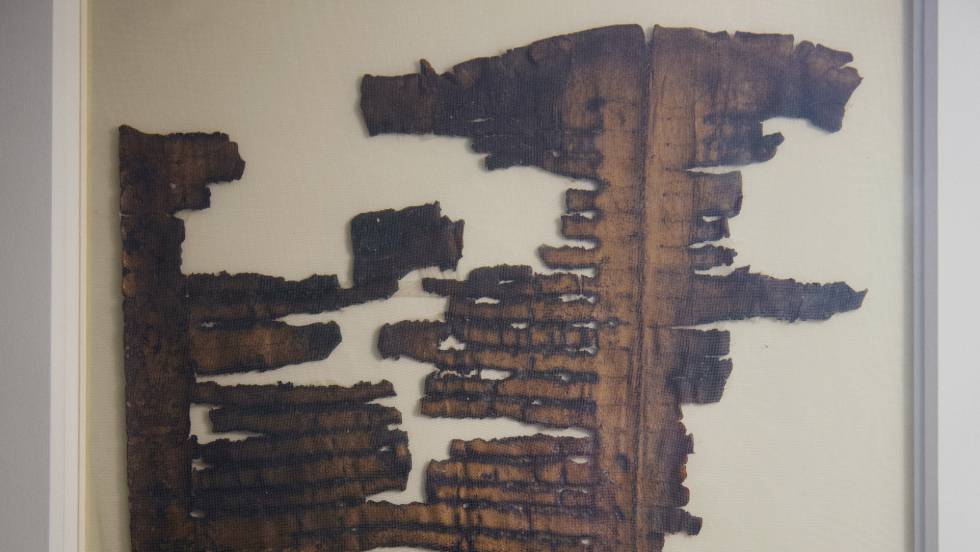
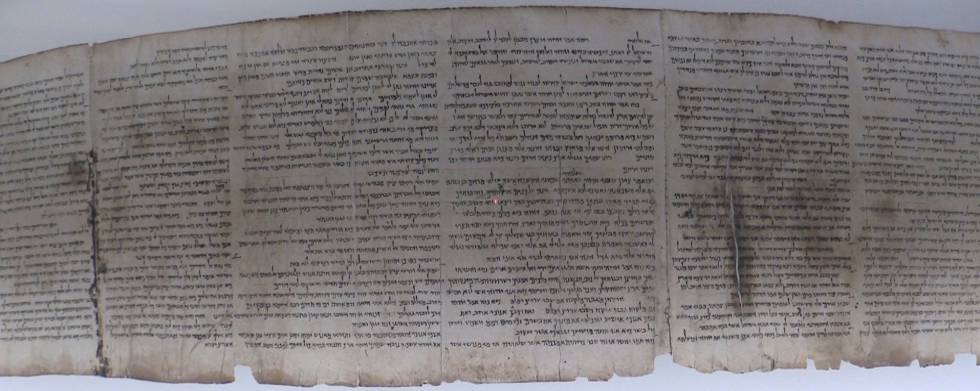


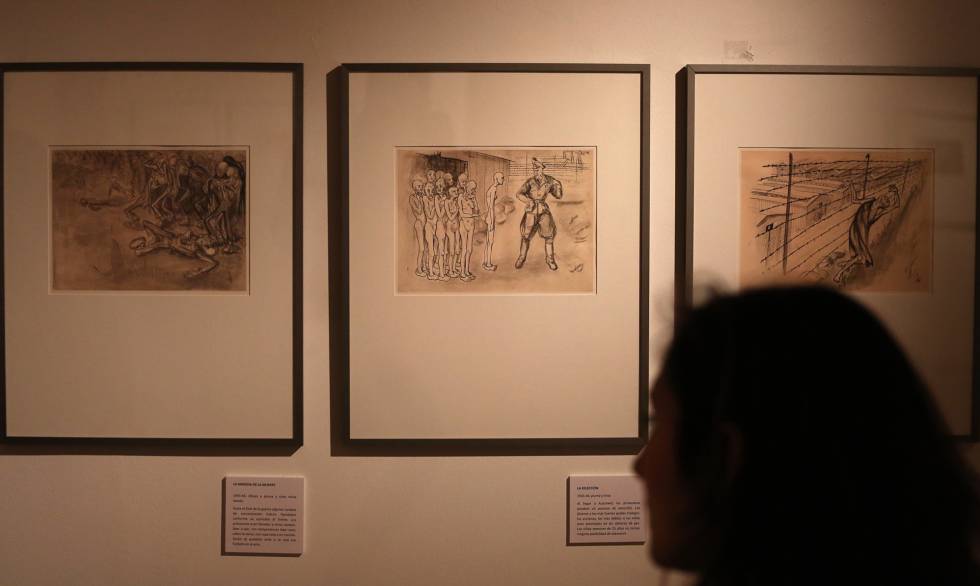
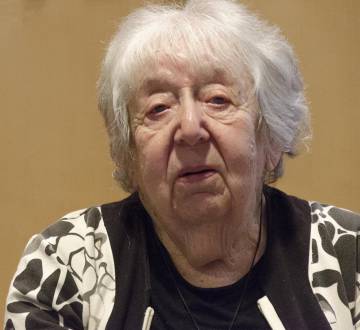


 Centro Estudios Judaicos del Sur de PR


